by kelsey | May 28, 2014 | Cooking Tips, Diet, Food, Weight Management, Wellness/Health
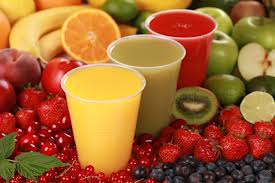
Lately there has been an explosion in the media discussing smoothies for weight loss, athletic performance, and meal replacements. Since the supplement industry heavily promotes “quick fixes”, keep in mind that an overall balanced diet is the best way to maintain or improve your health. The goal of many supplement industries is not to fix the problem, but rather to create addiction and increase revenue. Supplements are not regulated by the Food and Drug Administration and claims made for them are not always accurate or proven. However, homemade fruit and vegetable smoothies are way to guarantee your 5-A-Day natural nutrients. Consumption of fruits and vegetables may help prevent chronic diseases such as cancer, heart disease, and diabetes while delivering fiber and vitamins. With a new season upon us, we are gifted with a wider variety of options to choose from when eating the rainbow. Contrary to the common belief, consuming the recommended amounts of fruits and vegetables can be inexpensive and in the long run will save you money in terms of medical bills.
There are endless smoothie recipes you can use to make a quick breakfast, after a workout, or for an afternoon snack. Adding an extra boost to your smoothie such as protein powder or Greek yogurt will additionally provide other valuable nutrients. Here’s a guide to help get started
Add Fruit/Vegetable
|
Add Liquid
|
Add Thickener
|
Extra
|
| Banana, Berries, Apple, Pear, Peach, Kiwi, Pineapple, Cherries, Mango, Orange, Spinach, Kale, Beets, Carrots |
Dairy, Soy, Rice, or Almond Milk, Fruit Juice, Water, Iced Tea |
Peanut butter, Yogurt, Frozen yogurt, ice cubes, or oats. |
Honey, Cinnamon, Protein Powder, Mint, Figs, Dark Chocolate, Flaxseed. |
| Choose 2-3 |
Add 1-2 cups of liquid |
Pick your consistency |
Your preference |
Here are some examples:
Green Smoothie: Mango Chunks, Banana, Kale or Spinach, Apple Slices, Water, Plain low fat yogurt
Carrot Smoothie: Carrots, Orange, Pineapple, Low-sugar Apple Juice, Ice Cubes, Cinnamon
Desert Smoothie: Banana, Apple Slices, Low Fat/Skim Milk, Peanut Butter, Top with Dark Chocolate Shavings
Enjoy!
-Submitted by Lara Cafruny, SDSU Dietetics Student
Photo Reference: http://www.afrobella.com
by kelsey | May 14, 2014 | Cooking Tips, Diet, Food, Weight Management, Wellness/Health

Last night was our last night of spring STRIVE 2 Survive and County Fair Foods treated us to some excellent treats! These recipes are a must try!!
Angel Lush (pictured above)
1 can (20 oz) crushed pineapple in juice, undrained
1 pkg (1 oz) vanilla fat free/sugar free instant pudding
1 c thawed lite cool whip topping
1 pkg (10 oz) round angel food cake cut into three layers
10 small fresh strawberries
Mix pineapple and dry pudding mix. Gently stir in cool whip. Stack cake layers on plate, spreading pudding mixture between layers and on top of cake. Refrigerate for one hour. Top with berries.
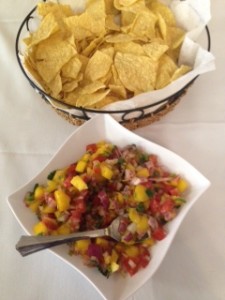
Mango Salsa (above)
2 mangos peed, seeded, and chopped
1 large tomato diced
1 small onion minced
1 small jalapeno pepper seeded and minced
1 Tbsp cilantro minced
1 lime juiced
Salt and pepper to taste.
Combine all ingredients in a bowl and enjoy with whole grain chips or crackers.
All of the ingredients above can be found at our County Fair Food Store!
-Kelsey
by kelsey | May 8, 2014 | Cooking Tips, Diet, Food, Heart Health, Weight Management, Wellness/Health
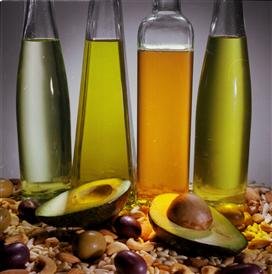
I had a few readers request I cover the topic of saturated fats as there have been a lot of mixed messages about these fats lately, so how do you know what to believe?! First off, lets cover the differences between the various types of fats:
Fat: One of three nutrients supplying energy to the body (the other two are protein and carbohydrate). Fat provides 9 calories per gram, more than twice the calories per gram provided by carbohydrate or protein.
Total Fat: includes saturated, monounsaturated, and polyunsaturated fats in food.
Saturated Fat: solid at room temperature and the main dietary cause of high cholesterol. Found mostly in animals and in some plants including: coconut, coconut oil, palm oil, pal kernel oil, and cocoa butter.
Trans Fatty Acid: a fat produced when liquid fat is turned into a solid fat through hydrogenation; raises LDL cholesterol and lowers HDL cholesterol.
Polyunsaturated Fat: liquid at room temperature and are from vegetable sources including corn, safflower, sunflower, soybean, cottonseed, and sesame seed oils. They are associated with lowering blood cholesterol levels when used in place of saturated fats in the diet. Can promote inflammation in high amounts.
Omega 3- Fatty Acid: type of heart-healthy polyunsaturated fat found in flaxseed oil, tree nuts, and especially fatty fish such as salmon, trout, sardines, and herring.
Monounsaturated Fat: liquid at room temperature and found in canola oil, olive oils, peanut oil, peanut butter, peanuts. Associated with lowering blood cholesterol.
Since saturated fat’s chemical composition makes it a solid fat, that’s exactly what it does inside our body…clogs our arteries causing increased risk for heart disease and stroke. “The American Heart Association recommends limiting the amount of saturated fats you eat to less than 7 percent of total daily calories. That means, for example, if you need about 2,000 calories a day, no more than 140 of them should come from saturated fats. That’s about 16 grams of saturated fats a day.” [http://www.heart.org/HEARTORG/GettingHealthy/FatsAndOils/Fats101/Saturated-Fats_UCM_301110_Article.jsp.] A diet low in saturated fats is also supported by the Academy of Nutrition and Dietetics. A good way to keep our heart healthy is to replace the solid or saturated fats with monounsaturated and/or polyunsaturated fats that are liquid, such as replacing the solid butter with olive oil, canola oil, etc. You can also increase your consumption of fish and nuts as they have higher contents of these healthy fats as well.
Two common confusing parts of this concept are beef consumption and coconut oil.
BEEF: Did you know that beef is 20% leaner than it was about 15 years ago? There are at least 29 cuts of lean beef which means they meet the government guidelines for lean, meaning each cut has less than 10g of total fat, less than 4.5 g of saturated fat, and less than 95mg of cholesterol (in a 3 oz serving). Beef has often gotten a bad rap, but in reality it can be part of a healthy diet when choosing the lean cuts and healthy cooking methodss. Here are some tips for you to make beef a part of your heart healthy meals:
- Look for key words such as “round” or “loin” …these are typically leaner cuts
- Choose 90% or greater lean beef. This means in a 3oz serving there is less than 5g of fat in it.
- Use healthy cooking methods such as grilling, broiling, baking, roasting, or braising. The less tender cuts can be marinated in a tenderizing marinade such as salsa or light Italian dressing.
- Trim the fat! Trimming the fat before cooking will help eliminate some of the fat from the cut.
- Cook with fresh ingredients such as lemon juice, peppers, onions, garlic, and herbs instead of adding extra fat to the cut.
- Practice portion control. Select the 3-5 oz serving over the 10oz.
COCONUT OIL: Coconut oil has gotten more popular over the last few years. Many are choosing it over the olive oil now and it’s somewhat become a craze. Coconut oil is a saturated fat and when looking at it, you can see that as it’s solid. The big debate about it, is that the primary fat of coconut oil is “lauric” acid (a type of fatty acid) that is absorbed by the body differently than the other common saturated fat, stearic acid. The make up of coconut oil is a medium chain triglyceride (type of chemical structure) and the MCTs tend to increase HDL (good) cholesterol better than other saturated fats such ad lard and butter. Many unsaturated fats such as olive oil decrease LDL (bad) cholesterol, improve total cholesterol/HDL ratio, and can also increase HDL cholesterol as well. As you can see this is a very complex concept and subject that involves food science, chemistry, etc. There are compelling arguments on both sides, which makes it very confusing for the consumer. Overall, coconut oil can play a role in raising HDL and provides flavorful cooking, but it does have a significant amount of calories and does promote increased total cholesterol levels…especially when compared to unsaturated fats such as olive oil, canola oil, peanut oil, avocados, nuts, and salmon. Since it is still a saturated fat, I recommend to limit the consumption and practice moderation with it.
Overall, saturated fats are still recommended to be limited in our diets due to their link to heart disease, but there are some interesting concepts to learn and understand about this topic. The good fats, mono- and poly-unsaturated fats should be included in our diets as they promote heart health, so some fat is actually a good thing. It’s hard to cover this type of topic in a blog post because it is so complex, so if you want to learn more about it and/or discuss it further with me, feel free to contact me anytime!
-Kelsey
by kelsey | Apr 22, 2014 | Cooking Tips, Diet, Food, Weight Management

With the weather finally getting nicer, grilling season is officially here! Grilling is a great way to change up cooking techniques and try new flavors after a cold winter season. Spice up any cookout by adding fruits and vegetables to the menu. Beyond the benefits of adding color, variety and flavor, fruits and vegetables can also add a variety of vitamins and nutrients. Keep in mind the Dietary Guidelines for Americans recommend to fill half of your plate with fruits and vegetables at each meal.
Kabobs are a great item to include marinated vegetables like red or yellow peppers, mushrooms, eggplant, cheery tomatoes, and onions. Simply brush your favorite vegetables with olive or canola oil and your favorite spices and grill over medium heat, turning until marked and tender.
When grilling meat, choose healthier options like lean cuts of beef, pork, chicken, or fish. Be sure to keep raw meat, poultry, and their juices separate from ready-to-eat foods avoiding cross contamination. This can be done by using separate plates, cooking utensils, and cutting boards. Frozen foods should be thawed in a refrigerator or the microwave, not on the countertop or by the grill. Also remember to use a food thermometer when cooking meat, poultry, or fish to ensure it reaches a safe minimum internal temperature, this is key to reducing risk of food poisoning. Steak should reach 145°F, hamburgers 160°F, and chicken and pork 165°F.
Vegetarian or an avid mat lover, a grilled marinated Portobello burger can be a tasty alternative. Marinate and grill mushrooms, gill sides up, over medium-low heat with the grill covered until they are marked and softened (about 15 minutes). Flip and grill until cooked through.
Not forgetting dessert, try fruit kabobs with pineapple slices, watermelon, or peach halves. Grilling on low heat until the fruit is hot and slightly golden. Serve them on top of low-fat frozen yogurt or angel food cake.
Most of all enjoy!
-Shelby Johnson, USD Dietetic Intern
by kelsey | Apr 15, 2014 | Cooking Tips, Diet, Holidays, Wellness/Health
With the Easter Holiday and Celebration just a few days away, many of you have your eggs hard boiled and ready to be painted…or many of you already have them painted! Painting eggs is an Easter tradition. As a child I always looked forward to painting eggs, the egg hunt, and of course of our Easter baskets. Easter was always an eventful holiday around our house and we have many funny stories to tell about our traditions. The eggs, baskets, etc are all part of the fun, but be sure to reflect on the real meaning of Easter!
As Sunday comes and goes, you may wonder what to do with those eggs. Here are some tips for you to practice proper egg safety:
- Not sure how to boil an egg? Place the eggs in a saucepan and cover with water. Bring to a boil with the lid on, then turn off the heat. Let the eggs sit in water for 15 min. Remove eggs and place in a bowl of ice cold water to cool.
- Eggs should be used within 3 weeks of the sell by date. Be sure to store them in the fridge at a temp less than 40 degrees F.
- Hard boiled eggs spoil faster than fresh eggs as the protective coating is washed away, making them more susceptible to bacteria. Hard boiled eggs must be refrigerated within 2 hours of cooking.
- If you want to eat the hard boiled eggs after the holiday, you must store them in the refrigerator. Throw away any eggs that are cracked, dirty, or have been out of the fridge for more than 2 hours. If you are going to use the leftover cooked eggs, it is recommended to use them within one week to prevent food poisoning. To help you do this, you could make two batches- one to display and one for eating.
- Ever wonder what the green ring on a hard boiled yolk is? It’s a result of overcooking the eggs and is caused by sulfur and iron compounds in the egg reacting to the surface of the yolk. The green color may also be a result of a large amount of iron in the water used to cook with. It may look funny, but it is safe to eat.
Happy Easter!
-Kelsey
by kelsey | Apr 9, 2014 | Cooking Tips, Diet, Eating Out, Food, Weight Management, Wellness/Health
Thanks to our viewer Jill for this requested topic! If you have any nutrition or activity topics you’d like us to discuss on here, please contact us! We’re always open to ideas! -Kelsey
These days eggs have been mis-perceived as a forbidden food, why is this? Eggs contain cholesterol, a type of fat made naturally in the body or found in animal produced foods, used by the body to keep us healthy. There are two types of cholesterol: “good” and “bad.” Low-density lipoprotein, or LDL, is known as “bad” cholesterol. High-density lipoprotein, or HDL, is known as “good” cholesterol. Too much of one type, or not enough of another can put you at risk for coronary heart disease, heart attack, or stroke. Depending on the size of the egg, one yolk contains about 185-215mg of cholesterol; the whites of the egg do not contain cholesterol. Today’s research shows that one egg yolk a day is fine for most healthy people, as long as their total cholesterol intake is 300 milligrams a day or less. For people at risk or diagnosed with heart disease, consuming less than 200 mg per day of cholesterol may be of further help to decrease significant health risks. The American Heart Association suggests for people with heart disease to consume no more than 2-3 eggs a week, substituting egg whites or cholesterol-free eggs as they choose.
Other benefits of eggs include: one large egg has just 70 calories; it is a good source of protein and vitamins A and D, B complex vitamins, and phosphorus. Eggs also supply lutein and zeaxanthin, which can help promote good eyesight.
Written by Shelby Johnson, USD Dietetic Intern
