by kelsey | Sep 3, 2014 | Cooking Tips, Diabetes, Diet, Food, Weight Management

Fall is a wonderful time of year, the leaves begin to change, children are returning to school, and the temperature starts to cool off. With all of these changes that are taking place you may find it hard to get away from all of the summer time BBQ and picnic eating habits. A way to help you get back to healthier eating habits is to start using some seasonal vegetables. Fall vegetables are great tasting and easy to cook with. Swapping out a regular potato for a seasonal sweet potato is a simple and easy way to get more bang for your buck. Sweet potatoes are much more nutrient dense which means that they contain more nutrients in a serving compared to a regular potato of the same size. A quick and easy recipe for sweet potatoes is to make sweet potato fries in the oven. Another fun way to incorporate seasonal vegetables is to make Kale chips in the oven. These make for delicious and healthy after school snacks for your children when paired with a low-fat cup of milk.
Baked Sweet Potato Fries: First, peel and wash the potatoes and cut them into strips around a ¼ in thick. Second, place in a bowl and toss with olive oil, paprika, salt, and pepper then place on a baking sheet lined with parchment paper. Lastly, place the baking sheet in a preheated 450-degree oven for 10-15 minutes or golden brown and crispy.
Kale Chips: kale is classified as a super food and is packed with antioxidants along with vitamins and minerals. First, cut up the kale into bite size pieces then in a bowl drizzle olive oil over the pieces then toss so the olive oil coats the pieces evenly. Second, salt and pepper the kale to taste and then place on a baking sheet and place into a 350-degree oven for 10-15 minutes or until edges are slightly brown.
-Written by Alex Loes, SDSU Dietetic Student
-Kelsey Raml, MS, RD, LN
by kelsey | Aug 28, 2014 | Cooking Tips, Diet, Food, Weight Management, Wellness/Health

Breakfast is one of the most important meals of the day! Yes, you have probably heard this before, but are you a breakfast eater!? Having a good breakfast is a great way to start out the day. It’s not only important for our body, but our mind too. Many times we’ll have excuses such as I was running late, I didn’t feel like eating, I’m not hungry in the morning, and this actually accounts for about a 1/4 to a 1/3 of the population! Starting the day without breakfast is like driving your car on a low tank of gas. We know we can’t go on forever on a low tank of gas, so we shouldn’t do that to our bodies either! Those that skip breakfast tend to snack more on high fat and lower nutritious foods…and are more likely to overeat at lunch because they are over-hungry. Studies have also shown that those working on weight loss are more successful when they eat breakfast as this really jump starts their metabolism and starts their day off right. In addition, eating a healthy breakfast helps our kids excel in school as it helps fuel the brain!
So what should you eat for breakfast? It’s important to get a balance at your meals and especially include a source of protein and a whole grain as these provide satiety. Here are some examples for you:
- Ready-to-eat cereal (>3g fiber, <2-3g fat, a ratio of greater than 4 g carbohydrate:1 g sugar)
- Hot cereal (oatmeal)
- Bagel with low-fat cream cheese or peanut butter
- Yogurt Parfait
- Fruit and yogurt smoothie
- Peanut butter or hummus on whole-wheat toast
- Breakfast quesadilla with low-fat cream cheese and sliced fruit
- Breakfast burrito or taco
- Toasted whole-wheat English muffin with lean ham and low-fat cheese
- Toasted pita with scrambled egg and low-fat cheese
- Low-fat milk and 100% fruit
If you are one who is not a fan of breakfast but understands the importance of it, I encourage you to try a variety of these options and see which one works best for you. I also encourage you to plan ahead. You may need to wake up 5 minutes earlier to fit breakfast in or make your smoothie the night before so all you have to do it pull the bottle or container out of the freezer or fridge in the morning and drink it on your way to work. Starting your day with a full tank will provide long lasting benefits to you and your body!
-Kelsey
by kelsey | Aug 26, 2014 | Cooking Tips, Diet, Weight Management, Wellness/Health

With everyone getting back into the groove of school this week, it means children are going back to the cafeteria. The importance of talking with your children about nutrition is crucial to their health. Children need to be able to make healthy decisions on their own. There are several steps a parent can make when helping their child go back to school.
Look over the menu: Review the weekly or monthly school menus with your child and decide which meals they like and dislike. For the days your child decides to eat at school help them distinguish the healthier choice, like choosing fruit instead of a cookie. Studies have shown letting your child help in the decision-making process makes them more likely to follow through with the decision.
Packing your own lunch: Make sure you’re packing meals with enough nutrients to power your child through the rest of their school day. Let your child be a part of the lunch packing process whether if it is making the sandwich or packing fruits into a bag. Pack food your child likes, because if they don’t eat it at home they are not likely to eat them when you’re not around.
Follow up at home: Make sure to follow up their lunch with an equally healthy dinner. Having a well balance meal at every meal is very important. A child who eats healthy at home is more likely to make healthier choices when they are on their own.
Tips for Packing Healthy School Lunches:
- Plastic bags and containers will really help with portions while making a sack lunch.
- Keep in mind that they will not be eating right away and to keep the refrigerated foods cool to keep from spoiling. For example, dairy products such as yogurt, will need a cool pack.
- Pack the lunch the night before with leftovers from dinner to save time in the morning.
- Make sure to include the child while making lunch and give them healthy choices to choose from.
- Try to choose less sugary drinks, like skim milk instead of chocolate milk or crystal light instead of a high sugar juice.
Keeping the lunches safe by keeping all the food at the correct temperatures. Pack cold items in an insulated lunch box with a frozen pack. Keep warm soups in a thermos, make sure the thermos is clean and use very hot water.
Sandwich Ideas
Whole wheat bread with deli meat (try to avoid bologna, pepperoni, and salami)
Peanut butter and jelly sandwich
Bagel with cream cheese or peanut butter
Crackers and cheese
Pita with hummus
Ham and cheese rolled up in a whole wheat tor-tilla
Crackers and cheese
-Kelsey
by kelsey | Aug 5, 2014 | Cooking Tips, Diabetes, Diet, Eating Out, Food, Weight Management

As I discussed last week, eating out can be a challenge as you aren’t sure how the foods are prepared, what types of foods are used, and what the food prep consists of. You may question, are the healthier looking choices sometimes worse for you? A salad over a hamburger should always be healthier, right? We find that in some scenarios this is not the case at all. Because of added seasoning, dressing, and breading the choices that appear to be healthier can have more calories. A way to avoid some of these unnecessary calories is to ask for the dressing on the side, or ask for your meats grilled instead of fried. If you eat at a restaurant regularly it’s not a bad idea to look at their menu online for their nutritional values. This could help you make a healthier decision when going out to eat. In addition, you may also consider using a pocket guide book such as Calorie King’s book (www.calorieking.com) or using an app on your smart phone. Besides making a good choices, portion control is essential! Take half of your meal home or share with a friend or family member. That alone will cut down on calories, fat, and sodium.
Here is a fun quiz to help you compare some foods and see which have more calories. The results may surprise you.
1) Applebee’s Oriental Chicken Salad (with dressing) Vs. Applebee’s Bacon Cheeseburger
2) McDonalds the Big Breakfast with Hotcakes Vs. McDonalds Angus Delight
3) McDonalds Cheeseburger Vs. McDonalds Chocolate Shake
4) Culvers Fresh Fried Chicken Dinner Vs. Culvers Chicken Sandwich Value Basket
5) Arby’s Medium Curly Fries Vs. Arby’s Pecan Chicken Salad Sandwich
********************************************************************
Answer #1 The Bacon Cheeseburger has fewer calories at 970 calories compared to the Oriental Chicken Salad that has 1390 calories.
Answer #2 The Angus Delight has fewer calories at 750 compared to the Big Breakfast with Hotcakes that has 1090 calories.
Answer #3 The Cheeseburger has 300 calories compared to a Chocolate Shake that has 570 calories.
Answer #4 The Chicken Sandwich Value Basket is 422 calories compared to the Fresh Fried Chicken Dinner that has 2220 calories.
Answer #5 The Curly Fries are 540 calories compared to the Pecan Chicken Salad Sandwich that has 840 calories
-Kelsey
by kelsey | Jul 30, 2014 | Cooking Tips, Diabetes, Diet, Eating Out, Food, Weight Management, Wellness/Health

Everyone is busy and on the run with life happenings so eating out tends to be a part of our lives. We all know that eating out is not the best for us as we don’t have control over how the meal is prepared, ingredients, and portions like we do at home. Despite this, we all still eat out and most of us enjoy it as it means we don’t have to do the preparing, cooking, and cleaning up afterwards…and it’s typically a social activity as well! Restaurants are taking notice of our nation’s desire to improve our health and wellness and there are more healthier options on the menus today, but there are still some very unhealthy ones as well. Below are some tips to help you eat out the healthy way:
- Go for a smaller portion of the meal such as half of the meal, lunch portion, or appetizer size portion.
- Look for key words such as baked, broiled, grilled, or roasted. Stay away from descriptive words such as crispy, creamy, crunchy, and crispy as those typically mean fried and more fat added.
- Substitute the fries for a salad (dressing on the side and use sparingly) or if available a second serving of cooked veggies or fruit.
- Get a to-go box right away before you start eating and package half of your meal in the box and eat at another meal at home. If it’s on your plate, you’ll be more apt to eat it, so put it away right away so you aren’t tempted and you are more apt to practice proper portion control.
- Share! It’s ok to share an entree with you friend, spouse, etc to help you practice better portion control.
- Look at the options ahead of time online or using your smart phone. Many restaurants have their nutrition information included in their websites or you can use the Calorie King app to explore the options and make a healthy choice when dining out.
- If eating out is a rare occurrence, it is ok to splurge, but keep in mind it should be a special occasion and only every once in awhile, not every day or every week as those extra calories will add up and cause weight gain quickly!
- To help balance out the extra calories consumed when eating out, be sure to get your activity in and engage in at least 30-60 minutes/day!
-Kelsey
by kelsey | Jun 12, 2014 | Cooking Tips, Diet, Food, Weight Management
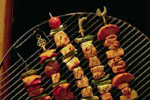
When people think of summer it brings to mind family reunions, picnics, campfires and consequently hotdogs, potato salads, and s’mores. Here are some tips to make those summer months healthier:
-Summer is the best time of the year for fruits and vegetables! More fruits and vegetables are in season and are wonderful to incorporate in your diet. Try planting your own garden or checking out the local farmer’s market to stock up on a variety of fruits and vegetables. Our farmer’s market is open every Saturday morning in the Runnings parking lot. The melons have been especially delicious lately, so be sure to pick up some at our local grocery stores as well!
-Hotdogs and burgers are trademarks for summer. Instead of a sodium and fat packed hotdog or brat try to go for grilled chicken or lean red meats. If you are really craving that hotdog opt for the lower in fat turkey dog and watch your portions.
– Macaroni salad and potato salad are featured at the usual family get-together. The majority of these salads are going to contain high amounts of fat. Opt for fresh fruit or bring your own salad made with a low fat mayonnaise, low-fat Greek yogurt, or low fat sour cream.
-Be sure to drink plenty of water! Having at least eight 8oz. glasses a day is important to stay hydrated during the hot summer months.
– As for the infamous s’more, try dark chocolate and bananas (replacing the marshmallow) which will give you some antioxidants as well as taste great! Or just cut your portion to one s’more since it’s hard to mess with a classic!
-Get active! If you do indulge in some tasty, not-so-healthy treats this summer, just be sure to get in a little extra activity to balance your calories in with your calories out. Take advantage of the nice weather and get outside!
-Kelsey
