by kelsey | Feb 5, 2015 | Cooking Tips, Diet, Food, Heart Health, Weight Management, Wellness/Health

In celebration of National Heart Month, I think it’s fitting to discuss the significance diet and activity play in promoting a healthy heart. Heart disease is the number one killer of Americans and affects both men and women. Genetics do play a role, however a heart healthy diet and and regular activity can help minimize the effects and complications of heart disease. Whether you have heart disease in your family or not, it’s still good to follow a heart healthy eating plan. Highlights of the diet include:
- Lots of fruits and veggies! I’m sure you already knew this one, but the benefits of getting your 5 a day servings of fruits and veggies are worth reminding you again. Most of us know this, the hard part is doing it. Try adding them to your meals, have fruit as a snack, get a double serving to help you reach this goal.
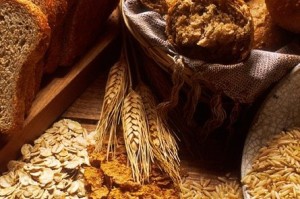
- Fiber! Fiber is very beneficial in combating heart disease. Incorporating more whole grains (and fruits, veggies, and beans/lentils) into your diet will increase your fiber and aid in heart health. Oatmeal, brown rice, wild rice, whole grain noodles, whole grain breads, and even popcorn are considered whole grains. Aim to get at least 25-35 g/day.
- Choose lean proteins. Decreasing the amount of saturated fat in your diet will help reduce plaque buildup. Choose white meat poultry without the skin, 90% or greater lean hamburger, fish, beans, etc….stay away from processed meats! Fatty fish such as salmon, tuna, herring, and trout offer additional benefits as they are loaded with healthy omega 3 fatty acids.
- Choose healthy fats. Incorporating more plant fats such as canola oil and olive oil into your diet and reducing your intake of saturated and trans fats has been shown to improve heart health. You want to choose foods that are lower than 5-8g of total fat per serving and <3g saturated and trans fat per serving. Choosing low fat dairy products will help reduce the amount of saturated fat in your diet as well.
- Hold the salt! Excess sodium can increase blood pressure and cause heart failure. Aim to keep your sodium intake below 2400mg/day. You can do this by doing more home cooking, avoiding boxed or packaged goods, cooking with salt free seasonings, and not using table salt.
- Exercise! At least 30 minutes of exercise a day has been shown to improve heart health. If you can do more, the better!
Making small changes or substitutions will help you have a healthier heart and reduce risk for disease. Reading labels is really essential to help you make good choices, so take some time in the grocery store and really examine the products to ensure you’re making healthy choices!
-Kelsey
by kelsey | Dec 18, 2014 | Cooking Tips, Diet, Food, Wellness/Health

With Christmas a week away, I thought we’d better discuss proper food safety practices. My mom likes to call me the “food police” because I’m always asking her about her cooking and food holding practices, checking out the fridge, and making sure the hot food stays hot and cold foods stay cold. I know it may seem a little OCD on my part, but the reality is, the holidays usually involve all day eating or grazing for several hours and if someone isn’t watching the temps or being mindful of the proper food safety practices, bacteria can develop in your food and food borne illness would put a major damper on your celebrations! Below are some tips to help you practice proper food safety so that you and your family can enjoy the festivities and stay healthy!
Wash: wash your hands in warm, soapy water for at least 20 seconds before, during, and after food preparation. Anyone who is helping with the food prep, should practice this! Keep your kitchen surfaces and cutting boards clean and sanitized (use one cutting board for meats and another for the ready to eat foods such as veggies). Be sure to use separate serving utensils for cooking and serving as well.
Thaw Properly: the best way to thaw is in the fridge, so be sure to put the big turkey or roast in the fridge several days before you plan to cook it to allow for ample time to unthaw. Be sure to place the meat in the bottom shelf of the fridge so the juices don’t drip on other foods. You can unthaw/defrost in the microwave, but if you do this, it needs to be cooked immediately. Another option is to fill the sink with cold tap water and place the wrapped meat in the water. If you choose this method of unthawing, be sure to change the water every 30 minutes.
Check your Temps: the only way to determine if the meat is at the proper temperature is to use a meat thermometer. Color, smell, appearence, etc are not reliable measures to make sure your meat is done properly. Whole turkeys should be cooked to 165°F, roasts should be cooked to 160°F, hams and pork roasts should be cooked to 145°F. When using a thermometer, stick it in the thickest part of meat and make sure it’s not touching the pan, bones, or fat.
Practice Proper Holding: after two hours of having food out, bacteria can rapidly multiply on perishable items. If you want your food to stay out for longer than that, you may consider using a crock pot or keeping the hot food in the oven to keep it hot and using ice packs or keeping the cold foods in the fridge. The basics is that we want to keep “cold food cold, and hot food hot” to prevent bacteria from growing. Be sure to check the temps before eating if you have been holding the food for hours.
Leftovers: reheat your leftovers to 165°F and bring gravy to a steady boil on the stove before serving it again. Refridgerated cooked turkey should be using with in 3-4 days and stuffing within 1-2 days. Casseroles and cooked veggies should be used with in 3-4 days. When in doubt, throw it out! Yes, this is hard to do, but the longer it sits, the more risky it is!
Most of all, just be mindful and use your common sense when preparing and handling foods and be sure to cherish what the holidays really are about!
-Kelsey
by kelsey | Dec 17, 2014 | Cooking Tips, Diet, Wellness/Health, Winter

We discuss eating strategies for your weight, heart, etc, but we also have to eat right to keep our skin healthy and glowing! The winter months make it hard on our skin as the air is dry and cold! The beauty industry has a variety of products to help promote healthy and glowing skin, however diet is also an important factor. Research on the best foods for healthy skin is limited, but what we do know is that antioxidant rich foods are effective in promoting healthy and glowing skin. Antioxidants are substances that protect our cells against free radical damage. Free radicals are molecules made when our body breaks down food or by environmental exposures such as tobacco use or radiation. They damage the cells and may play a role in diseases such as heart disease and cancer. A colorful diet is most effective for skin health and each color offers specific vitamins and minerals such as: beta-carotene, lutein, lycopene, vitamin A, vitamin C, and vitamin E. A diet rich in the following foods will help you get beautiful and healthy skin you’re wanting!
- Red, Orange, & Yellow Produce: carrots, tomatoes, red and yellow peppers, apricots, etc
- Green Leafy Vegetables: spinach, romaine lettuce, broccoli, etc
- Blue & Purple Produce: blueberries, raspberries, eggplant, etc
- Lean Proteins: beans, lentils, nuts
- Fatty Fish: salmon, mackerel, sea bass
It’s also important to be mindful of foods that can cause greasy and oily skin such as high sugar and high fat foods: pastries, cookies, fried foods, etc. These foods should be avoided or limited and instead focus on a balanced diet rich in fruits, vegetables, lean proteins, low fat dairy, and whole grains. In addition to diet, eliminating tobacco abuse and using sunscreen are effective in promoting healthy skin. These recommendations are not only going to benefit your skin, but also your overall health. Color and variety in your diet will help you look stunning always!
-Kelsey
by kelsey | Dec 10, 2014 | Cooking Tips, Diabetes, Diet, Food, Weight Management, Wellness/Health
I apologize for the duplicate posting, but I wanted to remind you all that I will be speaking at the Diabetes Support group TOMORROW (Thursday, December 11th). The information below was posted last week and includes all of the details. I hope to see you there!
“Beth Ries, RN with Prairie Lakes Hospital started a diabetes support group last month. This group is much needed and I am so glad she is heading it up! December’s meeting will be Thursday, December 11, 2014 from 6:00 – 7:30 at Prairie Lakes Hospital’s West Conference Room and I will be the speaker focusing on holiday eating! We will discuss holiday snacks and holiday tips and tricks. We will also be making some healthy, low carb, yummy treats. Please register online at www.prairielakes.com so Beth can have an accurate head count to make sure there is enough yummy goodness to go around! Anyone who is affected by diabetes whether it is yourself, a friend, or family member is invited to attend. Please join us, invite a friend or 2…or bring the whole family for an evening of fun and learning! Looking forward to seeing you on December 11th!
For any questions, feel free to email me at kelsey.raml@brownclinic.org.”
-Kelsey
by kelsey | Dec 9, 2014 | Cooking Tips, Diet, Food, Weight Management, Wellness/Health, Winter

5 of the Healthiest Winter Foods
As the official start of winter is approaching, I thought it was timely to discuss some of the healthiest winter foods. Winter is always challenging to get fresh produce at a reasonable price, but these top 5 winter foods are not only reasonably priced, but offer a great source of nutrients. Be sure to add them to your grocery list and include them in your meal planning!
1. Pomegranates: this heart-healthy food is rich in antioxidants that can contribute to improving blood flow to the heart and keep arteries unblocked.
2. Dark Leafy Greens: kale, chard, and collards thrive during the winter season while the rest of the produce section looks bleak. These greens are rich in vitamin A, C, and K. They are also an excellent source of folate.
3. Citrus fruits: limes, oranges and grapefruits are juiciest in the wintertime and can brighten up a dull winter. They are loaded with vitamin C. Citruses are a rich source of flavonoids like hesperidin, which is credited for boosting HDL (good) cholesterol while lowering LDL (bad) cholesterol and triglycerides.
4. Potatoes: they often given a bad rap for being one of the white starches along with white rice and white bread but unlike those starches, potatoes are a whole food and contain many beneficial nutrients. They have two excellent immune boosters – Vitamin C and B6—while also providing a good source of folate and fiber.
5. Winter Squash: comes in a variety from butternut to acorn to delicata and even spaghetti squash and they are all excellent choices in the winter. One cup of squash has 80 calories and is high in both vitamin A, C and K while also boasting a good source of potassium, B6, and folate.
-Kelsey
by kelsey | Dec 2, 2014 | Cooking Tips, Diabetes, Diet, Food, Wellness/Health

Beth Ries, RN with Prairie Lakes Hospital started a diabetes support group last month. This group is much needed and I am so glad she is heading it up! December’s meeting will be Thursday, December 11, 2014 from 6:00 – 7:30 at Prairie Lakes Hospital’s West Conference Room and I will be the speaker focusing on holiday eating! We will discuss holiday snacks and holiday tips and tricks. We will also be making some healthy, low carb, yummy treats. Please register online at www.prairielakes.com so Beth can have an accurate head count to make sure there is enough yummy goodness to go around! Anyone who is affected by diabetes whether it is yourself, a friend, or family member is invited to attend. Please join us, invite a friend or 2…or bring the whole family for an evening of fun and learning! Looking forward to seeing you on December 11th!
For any questions, feel free to email me at kelsey.raml@brownclinic.org.
-Kelsey
