by kelsey | Feb 16, 2016 | Cooking Tips, Diet, Food, Weight Management

Winter is a great time to enjoy tasty soups and hotdishes. If you are watching your waist line, it’s important to be careful of how much you consume of these foods as they can be high in calories, fat, and carbs… depending on how you prepare them. Broth based soups and stews are lower in calories and fat than cream based. In addition, if you’re making a hot dish, you may consider cutting calories by choosing fat free soups to add to your dish, such as fat free cream of chicken or mushroom soup. They also have low sodium varieties of these so if you’re watching your blood pressure or sodium intake, you may consider using this variety. And, as always, be sure to incorporate your lean proteins and plenty of fruits and veggies to your meal. You may consider doubling the veggies in your soups to make them a bit heartier and healthy. A few of my favorite cold weather soups are beef stew that has carrots, peas, potatoes, onion, and roast meat, bean and ham soup (plenty of protein and fiber!), and chicken noodle soup that also has plenty of veggies with white meat chicken. You may also consider doing some batch cooking with these hearty meals–make a big batch and portion out into smaller containers and freeze. Take one out at a time to enjoy a healthy, hearty meal without all the prep time!
-Kelsey
by kelsey | Sep 17, 2015 | Cooking Tips, Diet, Food, Weight Management, Wellness/Health
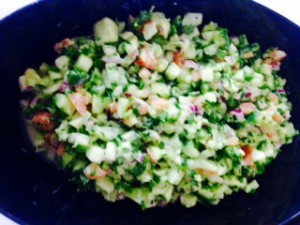
Summer picnics get all the glory, but as autumn-loving Midwesterners, we prefer this colorful season for eating outside. There are cooler temperatures, fewer bugs, and not to mention some superb scenery and beautiful colors. Traditional picnic foods like fried chicken and potato salad can create chaos in your diet, so here are some healthy picnic ideas everyone can enjoy!
- Use nature’s bounty, the more colorful produce you add to your menu, the healthier the meal! Fill your picnic basket with produce like peaches, cherries, berries, watermelon, tomatoes, zucchini, peas, and fresh herbs.
- If you’re grilling take along vegetables such as Portobello mushrooms, red peppers, and onions. Roasted or grilled vegetables tossed with olive oil, vinegar, salt, and pepper as a great idea for a side dish or a topping on a grilled chicken sandwich.
- For some light and crunchy appetizers pack your cooler with a different variety of raw veggies like cucumbers (cucumber salsa is a great choice as pictured above!), carrots, celery, asparagus tips, and radishes. Take along a dip such as hummus or low-fat yogurt with herbs and spices.
- Try a different main dish, instead of grilling burgers or hotdogs, or grabbing a basket of fried chicken, pick up a roasted chicken or try making wrap sandwiches. Wraps are easy and can be nutritious if you make them with lean meat and stuff them with vegetables and salsa or light dressing. Some other ideas could be lean beef burgers, ground turkey breast, skinless chicken breast, and pork tenderloin.
- Resist the temptation to load your picnic basket with high calorie salads held together with mayonnaise, instead use dressings made with less oil and more vinegar or add other liquids such as fruit juice. In starchy salads substitute whole grain pasta for white pasta and sweet potatoes for white potatoes.
- An example of a healthier option for coleslaw could be to try using broccoli slaw and toss in some shredded carrots with a light, low-fat poppy seed or yogurt dressing for a great salad that will still be crunchy.
- Pack healthy beverages such as ice water, sparkling water, or unsweetened ice tea.
- Practice proper food safety by making sure your food arrives safely and that the cold items are packed tightly into a cooler. Enjoy the outdoors and the fresh air as it is a great chance to get some exercise and burn some calories. Go for a walk, toss a frisbee or football, go for a swim, or play a fun game with the whole gang!
-Written by Megan Tschakert, SDSU Dietetics Student
by kelsey | Sep 16, 2015 | Cooking Tips, Diet, Food, Heart Health, Weight Management, Wellness/Health
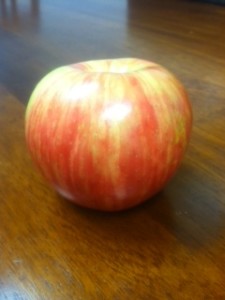
There is more to fall than the Halloween costumes and hayrides. From September to November the autumn harvest brings in a variety of healthful and delicious produce. In order to get the best of what fall has to offer, keep track of what’s in season near you. Here are some popular fruits and vegetables that are enjoyed most often during the fall season.
Apples are sweet, crunchy and packed with antioxidants and there are more than 7,500 different types of apples! The picture is of one of my favorites–honeycrisp apples! Beets are available year round but are at their best in the fall. When choosing the best beets look for firm, smooth bulbs attached to bright, crisp greens. Brussels sprouts and cabbage are packed with vitamin A and C. Cranberries are between the size of a blueberry and grape. They are at their best October-November but only a small percent make it to the produce section the rest are canned, dried, or turned into juice. Research shows that cranberry concentrate can prevent urinary tract infections and fresh cranberries can slow the growth of breast, colon, prostate, and lung cancers. Pears are high in soluble fiber, which helps lower bad cholesterol. Pumpkins offer a lot of alpha- and beta-carotene, which can be converted to promote healthy vision and cell growth. Rutabagas and turnips research suggests that they may help reduce the risk of prostate and lung cancers. Squash is a great source of potassium and helps prevent muscles from feeling fatigued and weak. Last but not least are sweet potatoes and they have the best flavor during the fall, their peak season. They are rich in beta-carotene, which can prevent vitamin A deficiency and promote healthy eyesight. Sweet potatoes are also rich in vitamin C and when baked in their skin provide about 5 grams of fiber. Be sure to take advantage of the produce this fall and try something new!
-Written by Megan Tschakert, SDSU Dietetics Student
by kelsey | Aug 26, 2015 | Cooking Tips, Diet, Food, Weight Management, Wellness/Health

As summer starts to fade into fall and schedules start to become even more jam packed with school events and sports, it starts to become even harder to sit down and eat balanced meals. The summer picnics are replaced with faster on the go meals that are sometimes not the best choices when trying to eat healthy. This busy time puts an even greater emphasis on meal planning. Meal planning can seem like a daunting task if you have never done it before, here are some quick tips for getting started with meal planning.
- Start with a basic template for each day that includes a protein, vegetable, fruit, and a starch. Then sit down with your family during the weekend and plan out what everyone would like on each day. Then on a weekend day, go grocery shopping for all the ingredients that you will need for that weeks menu.
- Take a look at your child’s school lunch menu to try and plan a meal that is different than what your child ate at lunchtime.
- Make meal planning a family event by including everyone in the decision making process. Split up the meals by family members so each member has a day they are in charge of.
- Batch cook: prep some of the food items on the weekend when you have time such as browning up the hamburger, slow cooking the chicken breasts, making a large batch of chili or a large casserole and separating it into smaller containers for freezing and using now.
- Make enough to have leftovers for the next day meals.
- Keep the recipes simple with minimal ingredients for shorter prep time and incorporate your family’s favorite Crockpot recipes.
With these quick and easy tips meal planning can become a fun and enjoyable family process that will save you time and help your family eat healthy while on a busy schedule. Below are some sandwich ideas for the lunch box and easy breakfast ideas to help your child start the day off right!
Sandwich Ideas
- Whole wheat bread with deli meat (try to avoid bologna, pepperoni, and salami)
- Peanut butter and jelly sandwich
- Bagel with light cream cheese or peanut butter
- Crackers and cheese
- Pita with hummus
- Ham and cheese rolled up in a whole wheat tortilla
- Dinner leftovers
- Chicken noodle soup
- Quesadilla
- Cheese pizza
5 Fast and Easy Breakfast Ideas:
¨ Fruit and cheese
¨ Fiber rich cereal with lowfat milk or yogurt
¨ Peanut butter, banana , & whole grain toast
¨ Carnation Breakfast Essentials
¨ Simple smoothie– low fat milk, frozen fruit, and ice
-Kelsey
by kelsey | Aug 20, 2015 | Cooking Tips, Diet, Food
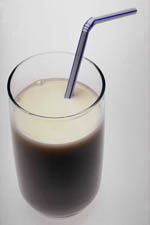
With everyone getting back into the groove of school, it means children are going back to the cafeteria. The importance of talking with your children about nutrition is crucial to their health. Children need to be able to make healthy decisions on their own. There are several steps a parent can make when helping their child go back to school.
Look over the menu: Review the weekly or monthly school menus with your child and decide which meals they like and dislike. For the days your child decides to eat at school help them distinguish the healthier choice, like choosing fruit instead of a cookie. Studies have shown letting your child help in the decision-making process makes them more likely to follow through with the decision.
Packing your own lunch: Make sure you’re packing meals with enough nutrients to power your child through the rest of their school day. Let your child be a part of the lunch packing process whether if it is making the sandwich or packing fruits into a bag. Pack food your child likes, because if they don’t eat it at home they are not likely to eat them when you’re not around.
Follow up at home: Make sure to follow up their lunch with an equally healthy dinner. Having a well balance meal at every meal is very important. A child who eats healthy at home is more likely to make healthier choices when they are on their own.
Tips for Packing Healthy School Lunches:
- Plastic bags and containers will really help with portions while making a sack lunch.
- Keep in mind that they will not be eating right away and to keep the refrigerated foods cool to keep from spoiling. For example, dairy products such as yogurt, will need a cool pack.
- Pack the lunch the night before with leftovers from dinner to save time in the morning.
- Make sure to include the child while making lunch and give them healthy choices to choose from.
- Try to choose less sugary drinks, like skim milk instead of chocolate milk or crystal light instead of a high sugar juice.
Keeping the lunches safe by keeping all the food at the correct temperatures. Pack cold items in an insulated lunch box with a frozen pack. Keep warm soups in a thermos, make sure the thermos is clean and use very hot water.
Sandwich Ideas
Whole wheat bread with deli meat (try to avoid bologna, pepperoni, and salami)
Peanut butter and jelly sandwich
Bagel with cream cheese or peanut butter
Crackers and cheese
Pita with hummus
Ham and cheese rolled up in a whole wheat tor-tilla
Crackers and cheese
-Kelsey
by kelsey | Jul 29, 2015 | Cooking Tips, Diabetes, Diet, Food, Weight Management
Have you ever wondered how you can enjoy a sweet treat without all of the added calories?! Here are a few ideas for you:
- Mix flavored yogurt or plain yogurt honey and your favorite fruit.
- Drizzle a bit of honey over mixed melon balls.
- Blend bananas and strawberries, freeze into cubes, and eat like ice cream.
- Sauté or bake 1/2 banana and sprinkle with 1 tablespoon chopped nuts.
- Take three of your favorite kinds of berries; cook half of them with just enough water to prevent burning. Cool and stir in remaining berries. Portion 1/2 cup of the berry compote with 1 tablespoon of your favorite vanilla ice cream.
- Try making your favorite flavor of sugar free pudding with low-fat milk.
- If it’s ice cream that you really want- skip the scoop-yourself containers and buy single-serving novelty treats such as fudgesicles, creamsicles, even chocolate-covered ice cream bars. You’re more likely to limit your portions if they already come in a single serving
Enjoy!
-Kelsey
