by kelsey | Jul 20, 2016 | Cooking Tips, Diet, Food, Weight Management, Wellness/Health
Looking to spice up your normal meal routine with some fun and healthy recipes but not sure where to start? Below is a list of online links you can access for healthy recipes. Sometimes we need to take a little time to check out some new options and give them a try! It’s also helpful to look at new recipes for exploring healthy ways of cooking and ways to make substitutions for making your foods healthier!
Healthy Recipe Websites
Helpful Nutrition Websites
by kelsey | Jul 13, 2016 | Cooking Tips, Diabetes, Diet, Food, Weight Management, Wellness/Health

Have you ever wondered how you can enjoy a sweet treat without all of the added calories?! Here are a few ideas for you:
- Mix flavored yogurt or plain yogurt honey and your favorite fruit.
- Drizzle a bit of honey over mixed melon balls.
- Blend bananas and strawberries, freeze into cubes, and eat like ice cream.
- Sauté or bake 1/2 banana and sprinkle with 1 tablespoon chopped nuts.
- Take three of your favorite kinds of berries; cook half of them with just enough water to prevent burning. Cool and stir in remaining berries. Portion 1/2 cup of the berry compote with 1 tablespoon of your favorite vanilla ice cream.
- Try making your favorite flavor of sugar free pudding with low-fat milk.
- If it’s ice cream that you really want- skip the scoop-yourself containers and buy single-serving novelty treats such as fudgesicles, creamsicles, even chocolate-covered ice cream bars. You’re more likely to limit your portions if they already come in a single serving
Enjoy!
-Kelsey
by kelsey | Jun 21, 2016 | Cooking Tips, Food

With the 4th of July right around the corner, you may be busy making plans with friends and family which always involves planning a menu. Summer gatherings are known for picnics and outdoor eating, and often times food safety is overlooked. One small mistake of food safety can result in foodborne illness and sicken your whole crew. Here are some tips to avoid foodborne illness.
1) Wash your Hands: many times foodborne illness can be avoided by simply practicing proper hand washing techniques. Be sure to wash your hands before cooking, after handling raw meat, and before eating. If running water is not available, bring hand sanitizer and rub it all over your hands, inbetween fingers, and around your nails.
2) Use sealed containers for packing your coolers: If juices from raw meats drip into your cooler and mix with other items, it creates the perfect environment for bacteria to grown. Use ziplock or sealed tight containers for packing your goods. If running water isn’t available, be sure to wash your produce before you leave home!
3) Avoid cross-contamination: bring two sets of utensils and plates to avoid cross contamination. One set for the raw food and one set for the cooked food.
4) Use a good cooler: Make sure your cooler is up to par for keeping your foods cool and be sure to leave enough room (1/4) of it for ice, ice packs, etc. Pack cool and hot foods separately and be sure to use your thermometer to check the temperature of the cooler throughout the day. Temperatures should be under 40 degrees.
5) Dont’ let food sit out: The danger zone for bacteria growth is between 40 and 140 degress F. Bacteria can double in a matter of 20 minutes when in this zone. Do not let any food sit out for more than 2 hours and if the temperature is higher than 90 degrees F, food should only sit out for an hour. Be especially mindful of meats, salads made with a mayo base, and anything dairy.
6) Use a thermometer: Meats needs to be cooked to certain temperatures to ensure doneness and eliminate bacteria. Hamburger must be cooked to 160 degrees F and chicken- 165 degrees F. If you are unsure of what temp your meat should be cooked to, please refer to this chart: http://homefoodsafety.org/cook
Enjoy and be safe!
-Kelsey
by kelsey | Jun 14, 2016 | Cooking Tips, Diet, Food, Weight Management, Wellness/Health

The warmer temperatures and summer months, always bring great cookouts and picnics. Typical picnic foods consist of burgers, brats, hotdogs, chips, and high calorie salads such as macaroni and potato salads. These are all very tasty foods, but they are also all very high in calories, fat, and sodium. Cookouts don’t have to bust the calorie bank. Choose your foods wisely and plan your menus to include a few healthy options and make substitutions like the meal examples below to help you fully enjoy each cookout while aiding in a healthy heart and waistline.
Choose This
90% lean hamburger with whole wheat thin bun
Grilled chicken breast
Grilled shrimp
One small tossed Salad with 1Tbsp light dressing
Fresh veggies with light ranch dip
Baked chips
½ c fruit salad
One small slice of angel food cake with light cool whip and strawberries
Unsweetened Tea with Lemon
Not That
80% lean hamburger with white bun
Hot dogs
Brats
Excess portions of: macaroni salad, potato salad, baked beans
Brownies
Kool-Aid
Regular pop
-Kelsey
by kelsey | Jun 7, 2016 | Cooking Tips, Diet, Food, Weight Management

June is national dairy month, thus it’s a great time to recognize and discuss the benefits we can get from dairy in our diets.
Cow’s milk is the richest source of well-absorbed calcium and is actually absorbed better (about 25%) than the calcium in soy milk. There is about 300 mg of calcium in an 8 oz serving of milk and we recommend getting at least 3 servings of dairy a day. A serving is equal to an 8oz (1 cup) serving of milk, 6 oz tub of yogurt, 1 oz cheese, 1/2 c cottage cheese. In addition to calcium, cow’s milk is an excellent source of phosphorus, vitamin B12, potassium, riboflavin, vitamin A, vitamin D, protein, and niacin…totalling 9 nutrients compared to only 4-5 nutrients found in soy and almond milk.
There are many other types of “milks” out there such as almond, rice, coconut, and soy, however these drinks are not the same as cow’s milk in regards to the nutritional qualities. Many of these milks use fortification (adding nutrients), whereas the nutrients are found naturally in cow’s milk. Below is a list from the Midwest Dairy Association about these beverage’s nutrient sources and nutrition quality (http://www.midwestdairy.com/0p335/dairy-imitators/)
“Soy beverages are made from soybeans and are a good source of protein. However, according to the Protein Digestibility Corrected Amino Acid Score (PDCAAS), soy protein is a lower quality protein than the whey protein found in dairy products.
Rice-based beverages are generally processed from brown rice and are fortified with nutrients such as calcium and vitamin D. Rice beverages typically contain only one gram of protein compared to eight grams in cow’s milk.
Nut-based beverages can be ground from any nut and the most popular is almond. Almond beverages only supply one gram of protein per serving and lack many of the natural benefits found in almonds.
Seed-based beverages, such as hemp, are newer to the marketplace. Their nutritional benefit is touted to be their omega fatty acid content. Similar to the other beverages, they also fall short on protein.”
Often times, these other “milks” contain higher sugar content, less calcium, less protein, and are absorbed less than those benefits in cow’s milk. Now if you have a lactose intolerance or milk allergy, these are certainly options for you, however if you do not have an allergy or intolerance, I highly encourage you to work towards getting your 3 a day servings of dairy and preferably low fat dairy. It will not only provide you with excellent vitamins and minerals to keep your bones and muscles healthy and strong, it will also provide you with an excellent source of protein.
For more information on the benefits of dairy, you can visit www.midwestdairy.com or contact my good friend and fellow Registered Dietitian Whitney Jerman at wjerman@midwestdairy.com.
I know I will enjoy a nice glass of cold milk tonight with supper, I hope you do too!
-Kelsey
by kelsey | Jun 1, 2016 | Cooking Tips, Diet, Food, Weight Management, Wellness/Health
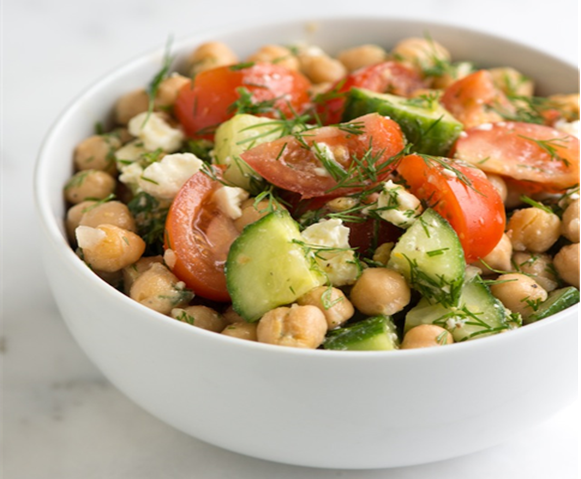
Chickpeas, also known as garbanzo beans, are an exceptional food. They can be used in a variety of dishes and are packed with nutrients. They are a great source of fiber, helping with digestive health and have antioxidants (powerhouse nutrients) that help prevent chronic disease like diabetes and heart disease. In addition, they are a good source of protein, aiding in satiety. Hear are some easy ways to include chickpeas into your diet!
¨ Add to salads to change up the texture.
¨ Put in the blender and make into hummus, a tasty treat that can be used as a dip or a spread. Add in your favorite spices or veggies and eat with whole wheat crackers.
¨ Can be used in a main dish or in a stew or soup.
¨ Experiment! Add in to your favorite dishes and snack foods!
-Kelsey