by kelsey | Feb 14, 2019 | Cooking Tips, Diet, Holidays, Weight Management, Wellness/Health

Happy Valentine’s Day!! Besides a lot of love in the day, Valentines day is known for chocolate! The one item that seems to make everyone happy, but may not be the healthiest of treats for us to enjoy. This Valentine’s day you can enjoy your delicious treat without feeling guilty. Although chocolate may not seem healthy, there are some perks to eating chocolate. Dark chocolate is good for the heart and lowers high blood pressure. So when you’re thinking of getting your loved one that nice box of chocolates, maybe go for a box of Dark Dove Chocolates. If you don’t like eating the dark chocolate plain you can melt the chocolate and dip it in strawberries. It is a treat that will leave your taste buds wanting more and you will find it easy to prepare. If you want to stay sugar free, try making sugar free gelatins in a shape of a heart. Add fat free whip cream on top for a little extra punch to the dessert. If you want choices and variety to your dessert try a chocolate fondue. Melt chocolate and choose sides to dip into the chocolate. Some choices of sides could be bananas, strawberries, pretzels, pineapple, marshmallows, dried apricots, pear slices, apples, or any of your favorite snack foods! If you want to add more to your sweet tooth, try a sherbet ice cream with a dark chocolate topping. If you crave a saltier valentine’s day treat then you can try a trail mix with mixed nuts, sunflower seeds, raisins, pretzels, marshmallows, dark chocolate m&m’s, or a low fat candy such as Twizzlers.
Enjoy and Happy Valentine’s Day!
Kelsey
by kelsey | Feb 7, 2019 | Cooking Tips, Diet, Food, Heart Health, Weight Management, Wellness/Health

In celebration of National Heart Month, I think it’s fitting to discuss the significance diet and activity play in promoting a healthy heart. Heart disease is the number one killer of Americans and affects both men and women. Genetics do play a role, however a heart healthy diet and and regular activity can help minimize the effects and complications of heart disease. Whether you have heart disease in your family or not, it’s still good to follow a heart healthy eating plan. Highlights of the diet include:
- Lots of fruits and veggies! I’m sure you already knew this one, but the benefits of getting your 5 a day servings of fruits and veggies are worth reminding you again. Most of us know this, the hard part is doing it. Try adding them to your meals, have fruit as a snack, get a double serving to help you reach this goal.
- Fiber! Fiber is very beneficial in combating heart disease. Incorporating more whole grains (and fruits, veggies, and beans/lentils) into your diet will increase your fiber and aid in heart health. Oatmeal, brown rice, wild rice, whole grain noodles, whole grain breads, and even popcorn are considered whole grains. Aim to get at least 25-35 g/day.
- Choose lean proteins. Decreasing the amount of saturated fat in your diet will help reduce plaque buildup. Choose white meat poultry without the skin, 90% or greater lean hamburger, fish, beans, etc….stay away from processed meats! Fatty fish such as salmon, tuna, herring, and trout offer additional benefits as they are loaded with healthy omega 3 fatty acids.
- Choose healthy fats. Incorporating more plant fats such as canola oil and olive oil into your diet and reducing your intake of saturated and trans fats has been shown to improve heart health. You want to choose foods that are lower than 5-8g of total fat per serving and <3g saturated and trans fat per serving and limit your total fat consumption to 50-75g/day. Choosing low fat dairy products will help reduce the amount of saturated fat in your diet as well.
- Hold the salt! Excess sodium can increase blood pressure and cause heart failure. Aim to keep your sodium intake below 2400mg/day. You can do this by doing more home cooking, avoiding boxed or packaged goods, cooking with salt free seasonings, and not using table salt.
- Exercise! At least 30 minutes of exercise a day has been shown to improve heart health. If you can do more, the better!
Making small changes or substitutions will help you have a healthier heart and reduce risk for disease. Reading labels is really essential to help you make good choices, so take some time in the grocery store and really examine the products to ensure you’re making healthy choices!
-Kelsey
by kelsey | Jan 16, 2019 | Cooking Tips, Diet, Food

Winter is a great time to enjoy tasty soups and hot dishes. If you are watching your waist line, it’s important to be careful of how much you consume of these foods as they can be high in calories, fat, and carbs… depending on how you prepare them. Broth based soups and stews are lower in calories and fat than cream based. In addition, if you’re making a hot dish, you may consider cutting calories by choosing fat free soups to add to your dish, such as fat free cream of chicken or mushroom soup. They also have low sodium varieties of these so if you’re watching your blood pressure or sodium intake, you may consider using this variety. And, as always, be sure to incorporate your lean proteins and plenty of fruits and veggies to your meal. You may consider doubling the veggies in your soups to make them a bit heartier and healthy. A few of my favorite cold weather soups are beef stew that has carrots, peas, potatoes, onion, and roast meat, bean and ham soup (plenty of protein and fiber!), and chicken noodle soup that also has plenty of veggies with white meat chicken. Try out batch cooking with these hearty meals–make a big batch and portion out into smaller containers and freeze. Take one out at a time to enjoy a healthy, hearty meal without all the prep time!
-Kelsey
by kelsey | Dec 18, 2018 | Cooking Tips, Food
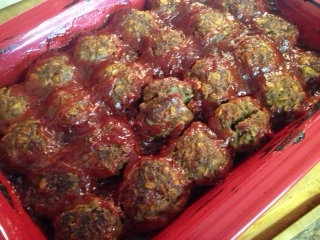
While you are enjoying the food, festivities and fellowship during the holidays, food safety is important to keep in mind. At large gatherings, it is easy to overlook food safety. Follow these tips to keep your gatherings safe and healthy from the start.
* Wash hands often: wash hands often—and for at least 20 seconds. Be sure to wash before touching serving utensils, after handling raw foods, after using the bathroom, or after touching skin or hair.
* Separate the ready to eat foods from raw meat and veggies: this will prevent cross contamination between foods
* Use a thermometer: always check the temps of cooked food to make sure they are cooked thoroughly.
* Use utensils: if you are taste testing dishes, make sure to use separate utensils for each food you try and each time you try it.
* Use serving utensils: have utensils ready to use at the serving table, so people aren’t using hands to touch the food.
* Saving leftovers: food should not be out for more than 2 hours after cooking, put in fridge asap to save for safe leftovers and don’t store them in the containers they were made in; transfer to smaller containers for storing.
* Storage safety: meat should be used within 3-4 days, gravies and stuffing should be used in 1-2 days, and everything else 5-7 days.
-Kelsey
by kelsey | Dec 13, 2018 | Cooking Tips, Diet, Weight Management, Wellness/Health

The holidays are in full swing, which means festive food, and busy schedules. Many families are enjoying old traditions, or making new ones. Unfortunately also during these Christmas experiences, many people find themselves experiencing weight gain. Countless family gatherings and baking Christmas goodies all month are grounds for overeating, without any time to spare for exercise. By making few simple changes over the day, the holidays do not have to mean weight gain! Here are some simple tips to try out between traveling, parties, cooking, and company.
- An Early Resolution? – Rather than waiting for New Years to start a resolution, make it easier on yourself and gradually work up to your resolution by New Years. This will also help you to stay focused and maintain weight over the holidays, so you can see faster results after. If your goal is to lose weight, maybe you will try to walk two days a week now, and by New Year’s you will be built up to walking 5 days a week!
- Stress less about Exercise- Rather than stressing about shopping and cleaning this year, think of this as a time to multitask. Housework is one of the best ways to get in a workout over the holidays. Whether it’s moving around the kitchen while you bake, or vacuuming before company…it all burn calories! Shopping through the mall crowds, standing in line, and bringing bags out to your car all are positive experiences now that you can count it as a workout, right?
- Quality Time– Rather than taking away from family time to work out, invite your family to do something as a group. Wake up on Christmas morning and enjoy some yoga together before presents, or take the kids out ice-skating or sledding after the famous Christmas dinner. Just remember, building a snowman or looking at Christmas lights will also provide memories that last longer than the memories watching a movie would.
- Think Before You Eat – Eat until you are satisfied, not stuffed. If you find yourself overeating at one meal, go light on the next. Try to fill your plate with the lower calorie items such as vegetable dishes, and lean proteins, then take smaller portions of the rich foods. Eat slowly, socialize, and enjoy every bite!
Overall, it’s the holidays and you need to enjoy yourself! Don’t restrict yourself from family time and enjoying some of your favorite holiday foods, but be mindful and plan ahead! Stay healthy this season, then after the holidays, your mind and body will thank you!
-Kelsey
by kelsey | Nov 8, 2018 | Cooking Tips, Diet, Food, Weight Management, Wellness/Health

Breakfast is one of the most important meals of the day! Yes, you have probably heard this before, but are you a breakfast eater!? Having a good breakfast is a great way to start out the day. It’s not only important for our body, but our mind too. Many times we’ll have excuses such as I was running late, I didn’t feel like eating, I’m not hungry in the morning, and this actually accounts for about a 1/4 to a 1/3 of the population! Starting the day without breakfast is like driving your car on a low tank of gas. We know we can’t go on forever on a low tank of gas, so we shouldn’t do that to our bodies either! Those that skip breakfast tend to snack more on high fat and lower nutritious foods…and are more likely to overeat at lunch because they are over-hungry. Studies have also shown that those working on weight loss are more successful when they eat breakfast as this really jump starts their metabolism and starts their day off right. In addition, eating a healthy breakfast helps our kids excel in school as it helps fuel the brain!
So what should you eat for breakfast? It’s important to get a balance at your meals and especially include a source of protein and a whole grain as these provide satiety. Here are some examples for you:
- Ready-to-eat cereal (>3g fiber, <2-3g fat, a ratio of greater than 4 g carbohydrate:1 g sugar)
- Hot cereal (oatmeal)
- Bagel with low-fat cream cheese or peanut butter
- Yogurt Parfait
- Fruit and yogurt smoothie
- Peanut butter or hummus on whole-wheat toast
- Breakfast quesadilla with low-fat cream cheese and sliced fruit
- Breakfast burrito or taco
- Toasted whole-wheat English muffin with lean ham and low-fat cheese
- Toasted pita with scrambled egg and low-fat cheese
- Low-fat milk and 100% fruit
If you are one who is not a fan of breakfast but understands the importance of it, I encourage you to try a variety of these options and see which one works best for you. I also encourage you to plan ahead. You may need to wake up 5 minutes earlier to fit breakfast in or make your smoothie the night before so all you have to do it pull the bottle or container out of the freezer or fridge in the morning and drink it on your way to work. Starting your day with a full tank will provide long lasting benefits to you and your body!
-Kelsey
