by kelsey | Jul 7, 2015 | Exercise, Family, Heart Health, Weight Management, Wellness/Health

Another great opportunity to get some activity while enjoying our beautiful trail system starts tomorrow, Wednesday, July 8th!
Details: Five different nights with bike rides on different parts of the Recreational Trail. Designed for the recreational bike rider in mind. The only things you will have to have is a bike and a helmet which will be mandatory. Ride one or all the nights. No registration required just be ready to ride at 6 p.m. sharp at the starting location for that week. There is no cost to participate.
Dates:
July 8-McKinley Park to Jackson Park and back
(meet at the Horseshoe Courts) (6.72 miles)
July 15-McKinley Park to City Park and back
(meet at the Horseshoe Courts) (8.12 miles)
July 22-McKinley Park to Eastwoods Park and back
(meet at the Horseshoe Courts) (8.44 miles)
August 5– Eastwoods Park to Redlin Art Center and back
(meet by the playground) (5.6 miles)
August 12—Around the Lake Ride-start and finish at City Park
(meet by Veterans Memorial) (13.92 Miles)
Time: 6pm sharp each week.
Fee: FREE!
For more details contact:
Jeremy Herrboldt
Adult/Senior Activities Coordinator
Watertown Park and Rec.
882-6260
by kelsey | Jun 25, 2015 | Cooking Tips, Diet, Food, Holidays, Weight Management, Wellness/Health
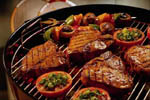
With the 4th of July a week away, many are prepping their grocery list or menu for the fun filled holiday weekend. You’ll fire up the grill, enjoy some burgers or steaks, a few tasty drinks, and friends and fellowship. I love to grill and foods on the grill are my favorite…and I know beef will be what’s for dinner in my household as nothing beats a tasty “Raml” hamburger or steak. Besides the protein, I am sure there will be plenty of fruits and veggies to enjoy of which both can be grilled as well! Kabobs are a great way to incorporate meat, veggies, and fruit all in one!
Did you know that beef is 20% leaner than it was about 15 years ago? There are at least 29 cuts of lean beef which means they meet the government guidelines for lean, meaning each cut has less than 10g of total fat, less than 4.5 g of saturated fat, and less than 95mg of cholesterol (in a 3 oz serving). Here are some tips for you to make beef a part of your heart healthy meals:
- Look for key words such as “round” or “loin” …these are typically leaner cuts
- Choose 90% or greater lean beef. This means in a 3oz serving there is less than 5g of fat in it.
- Use healthy cooking methods such as grilling, broiling, baking, roasting, or braising. The less tender cuts can be marinated in a tenderizing marinade such as salsa or light Italian dressing.
- Trim the fat! Trimming the fat before cooking will help eliminate some of the fat from the cut.
- Cook with fresh ingredients such as lemon juice, peppers, onions, garlic, and herbs instead of adding extra fat to the cut.
- Practice portion control. Select the 3-5 oz serving over the 10oz.
Balance is key to a healthy diet, so be sure to include your fruits and veggies and whole grains along with your lean meat to create a healthy plate. All meat is required to have the nutrition content (label) posted by it in the grocery store. Be sure to use this when you’re selecting your cuts of meat and pay special attention to the total fat and saturated fat content. If you want to learn more about the benefits of beef and explore healthy recipes check out these websites: www.beefnutrition.org and www.beefitswhatsfordinner.com.
Happy 4th of July!
-Kelsey
by kelsey | Jun 24, 2015 | Diet, Weight Management, Wellness/Health
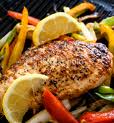
Portion Vs Serving
While these two terms are often used interchangeably, they mean completely different things. Knowing the difference between the two will help you make healthy choices and practice appropriate portion control.
A serving is how much of a food is recommended by consumer education materials, like MyPlate.
A portion is how much food you choose to eat at one time.
Estimating Serving Size:
3 oz of meat is the size of a deck of cards
1 cup of pasta is the size of a baseball
1 oz of cheese is the size of your thumb
½ cup of fresh fruit is the size of a tennis ball
1 teaspoon of butter is the size of a dice
Tips:
Use a smaller plate so less food will seem like more.
Don’t eat from the package so you don’t lose track of how much you eat.
-Written by Kara Schmidt, SDSU Dietetic Student
by kelsey | Jun 23, 2015 | Diet, Food, Weight Management, Wellness/Health

The gluten free diet has become a very popular fad diet and the low carb craze is coming back in full force. There are some important things to know and understand about gluten and SDSU Dietetic Student Kara Schmidt explains them for you here.
1. What gluten is: gluten is a protein found in wheat, rye, and barley. Therefore, many pastas, breads, and cereals have gluten in them. It can also be found in many salad dressings, sauces, and beers. Gluten helps food to maintain their shape, acting as a sort of glue.
2. Who needs to avoid gluten: people with celiac disease, an autoimmune disorder, cannot have gluten. Their body’s immune response to gluten damages their intestinal wall, causing abdominal pain, bloating, nausea, and diarrhea.
3. Gluten and weight loss: people who choose not to eat gluten tend to avoid foods like bread, pastas, and cereals. These foods are also full of carbohydrates, which get broken down into sugars so that the body can use them for energy. Too many carbohydrates can cause your body to store the excess energy in fat, causing weight gain. If a person is avoiding eating these carbohydrate-rich foods, they will have to get their energy elsewhere, such as from fruits, vegetables, legumes, and lean meats. This healthy change in diet doesn’t have to mean cutting out gluten, just making healthier choices and practicing portion control. A gluten free diet is only recommended for those who truly are gluten intolerant and should not be used as a fad diet!
by kelsey | Jun 18, 2015 | Exercise, Weight Management, Wellness/Health
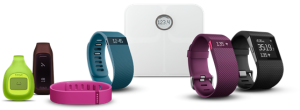
The FitBit is a health tracker that has capabilities to track activity, exercise, food, weight, and sleep and it has become very popular in the last year or two. There are seven different products ranging in price from $60-$250, all with multiple color choices. The FitBit works by tracking your stats, syncing them wirelessly to your phone, tablet, or computer, allowing you to view your progress charts online, and even has a feature that lets you compete with friends and family. All of the batteries can be recharged except for the one in the Zip, which is a replaceable watch battery. All of them also monitor sleep and can wake you with a silent, vibrating alarm, except the Zip. The FitBit could be that extra motivational push to meet your fitness needs!
FitBit Zip: What makes it unique: clips to clothing, has up to a six-month battery life; costs $59.95
FitBit One: What makes it unique: tracks floors climbed, clips to clothing; costs $99.95
FitBit Flex: What makes it unique: wristband, LED lights report progress towards goal; costs $99.95
FitBit Charge HR: What makes it unique: wristband, monitors heart rate, tracks run stats; costs $149.95
FitBit Surge: What makes it unique: wristband, monitor heart rate, multi-sport tracking; costs $249.95
-Written by Kara Schmidt, SDSU Dietetic Student
