by kelsey | Mar 23, 2016 | Etc.

Do you have your Easter baskets all ready for the little (or big) kids in your life? Easter baskets are usually filled with all kinds of goodies and I like to think of them being just as exciting as getting your Christmas stocking! My family has all kinds of funny stories about the big search for finding our Easter baskets and of course what we find inside is even more exciting! The candy aisles at the store are filled with all kinds of goodies, but let us not forget that there are plenty of other non-junk food options to fill your Easter baskets with. Here are some ideas for you:
- Sidewalk chalk
- Color Dotz by Crayola (color your bath water with them!)
- Books
- Coloring books
- Stuffed animals
- Sunglasses
- Shoes
- Socks
- Hair accessories for girls
- Mini cars or planes for boys
- Nail polish
- Gift certificate to the movies or iTunes
- Magazine subscription
- Jump rope
- Yo-yo
- Pencils, crayons, markers
It’s ok to enjoy a little candy, but be sure to include some of these other goodies to help make your Easter baskets a bit healthier! And more importantly, remember the real meaning of celebrating Easter!
-Kelsey
by kelsey | Mar 22, 2016 | Diabetes, Diet, Food, Weight Management, Wellness/Health

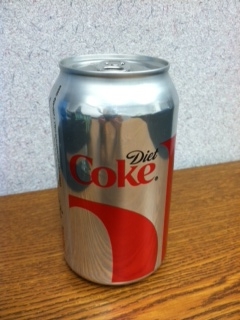
One of the most frequent questions I get from patients is what the real truth is about artificial sugars. You hear all kinds of good and bad things about them, so how do you know what to believe?! Well….here’s the facts:
Artificial sweeteners or sugar substitutes refer to substances that have little to no calories or other nutrients and are added to foods and beverages to provide a taste that is similar to table sugar (sucrose). Because artificial sweeteners are many times sweeter than table sugar, smaller amounts are needed to create the same level of sweetness.
There are five artificial sweeteners that have been tested and approved by the U.S. Food and Drug Administration (FDA):
Acesulfame-K is 200 times sweeter than sugar and it is heat stable, making it great for cooking or baking. The FDA approved acesulfame-K in 1998. Brand names include Sunett and Sweet One.
Aspartame is 200 times sweeter than table sugar and is one of the most commonly used sweeteners today. Aspartame was approved by the FDA in 1981 and is used in a variety of foods. Brand names include NutraSweet and Equal.
Saccharin is about 300 times sweeter than sugar and is used as tabletop sweetener, in baked goods, jams, chewing gum, canned fruit, candy, dessert toppings and salad dressings. The FDA approved saccharin in 1981, along with a warning label stating it was ‘reasonably anticipated to be a human carcinogen’. This warning label was lifted in 2000, after numerous studies cited there is no evidence that saccharin is associated with an incidence of cancer. Brand names include Sweet ‘N Low, Sweet Twin and Sugar Twin.
Sucralose is about 600 times sweeter than table sugar and approved by the FDA in 1999. Sucralose is not absorbed by the body and is eliminated through the urine and feces resulting in zero calories. Sucralose is also heat stable so it can be used for cooking or baking. The brand name for sucralose is Splenda.
Neotame is 7,000-13,000 times sweeter than sugar. Neotame is approved for use in beverages, dairy products, frozen desserts, baked goods and gums. Neotame is not available for consumer purchase at this time.
Stevia has become a popular sweetener in recent years and is extracted from the leaves of the Stevia Rebaudiana Bertoni bush. Two forms can be extracted: Reb A and stevioside. Both are 200-300 times sweeter than table sugar and are calorie free. In 2008, Reb A was generally recognized as safe by the FDA for use as a tabletop sweetener and in prepared foods. Brand names include A Sweet Leaf, Sun Crystals, Stevia, Truvia, and PureVia.
There is a lot of confusion about artificial sugars due to the mixed messages consumers hear about their risks, but when you really look at the studies and evidence, there are are in fact little concerns. According the the FDA, National Cancer Institute, and several other health agencies, there is no sound evidence that these artificial sugars approved cause cancer or serious health problems. Acceptable Daily Intake levels have been set by the FDA to help you determine how much you can consume and still be safe. The ADIs are set at 100x less than the smallest amount that may be harmful. So in order to actually come close to being at risk for side effects it would mean the average person would have to consume around 20 cans of diet pop/day to experience adverse effects. Please see the charts below:
Acceptable Daily Intake for Various Levels: Note the ADI is based on kg of body weight. Take your weight in pounds divided by 2.2 to get your weight in kg.
|
ADI (mg/kg body weight)
|
Average (mg) amount in 12oz can soda
|
Amount (mg) in a packet of sweetener
|
| Acesulfame-K |
15
|
40**
|
50
|
| Aspartame |
50
|
200
|
35
|
| Saccharin |
5
|
140
|
40
|
| Sucralose |
5
|
70
|
5
|
| Sweetener |
Number of 12oz cans diet soda to reach the ADI |
Number of artificial sweetener packets to reach the ADI |
| Acesulfame-K |
25.6
|
20.4
|
| Aspartame |
17
|
97.4
|
| Saccharin |
2.4
|
8.6
|
| Sucralose |
4.8
|
68.2
|
| Stevia/Reb A |
Product info not available. Sodas containing stevia are not widely available |
30
|
There are also newer studies suggesting that the use of artificial sweeteners tricks our body as it’s not real sugar and in turn we eat more. These studies are inconclusive and not reliable.
The Bottom Line:
Adults may be able to better manage weight when sugary foods and beverages are replaced with artificial sweeteners as these artificial sweeteners are sugar free, calorie free. Studies have also shown that artificial sweeteners do not increase appetite or food intake in adults, adolescents or children. The American Academy of Nutrition & Dietetics states that, “based on studies reviewed, artificial sweeteners are safe for use in the general population.” Special populations, such as pregnant women, should limit the use of sugar substitutes and avoid saccharin, since the fetus may not be able to clear the substance quickly enough. Individuals with PKU should avoid aspartame since phenylalanine is found in aspartame. However, individuals with this genetic predisposition can use neotame. So all in all, I recommend them for those wanting to manage their weight and control their blood sugars, however moderation and portion control are key!!
Source:ADA Evidence Analysis Library (2011).The Truth about Artificial Sweeteners or Sugar Substitutes: How Much Is Too Much?.Retrieved May 1, 2012 from the American Dietetic Association. Website: http://www.adaevidencelibrary.com/files/Docs/NNSResourceDraft3.pdf
-Kelsey
by kelsey | Mar 17, 2016 | Etc.

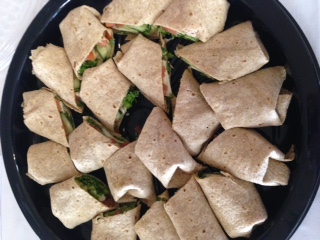
Tuesday’s STRIVE had some great treats thanks to our friends at County Fair Foods! Be sure to give this tasty recipe a try!
Fresh Veggie Wraps
1 ripe avocado pealed, pitted, and diced
1 Tbsp light mayo
1/2 tsp salt
1/2 tsp garlic powder
1/4 tsp onion powder
1/8 tsp cayenne pepper
8 (8″) flour tortillas (can use whole grain!)
2 tomatoes, diced
1 cucumber, sliced
1 green pepper, cut into strips
Head lettuce, chopped
1 8oz pkg fresh mozzarella cheese, sliced
Directions: Prepare spread-mash diced avocado, mayo, salt, garlic powder, onion powder, and cayenne pepper in a bowl until well blended. Assemble wraps: spread tortillas with a layer of avocado spread. Place diced tomatoes, cucumber slices, bell pepper slices, lettuce, and mozzarella cheese slices onto each wrap, leaving about 2″ of space at the bottom. Fold bottoms up. Roll tortillas over vegetables firmly enclose fillings. You can add lean chicken or turkey to add some protein if you’d like as well. Enjoy!!
by kelsey | Mar 8, 2016 | Etc.

Reposting to remind you all that spring STRIVE starts in 1 week!! Our 12 week wellness program will start March 15th! For those wanting to learn more about our 12 week wellness program, check out the details below and contact us today to get enrolled! We do still have room!
Over 16 years ago Dr. Dan Reiffenberger wrote a grant for the American College of Sports Medicine about the development of a fitness program entitled STRIVE to Survive. The STRIVE represents “Securing Time for Regular Involvement in a Variety of Exercise”. Since that time, it has become our Brown Clinic Wellness Program, with modifications and improvements along the way. It is a 12 week program incorporating exercise and nutrition, with the goal of continuing these types of habits for a lifetime. Our dietitian Kelsey Raml has helped incorporate the nutrition component and Dr. Clark Likness, Dr. Jon McAreavey, and Deidra Van Gilder, PharmD are also involved creating a multi-disciplinary approach to health and wellness. We also have a great assistant, Barb, that keep us organized.
We the 12 week program periodically throughout the year. During the 12 weeks, we meet every other Tuesday at the County Fair Banquet Hall from 5:30-6:30pm. During the weeks we don’t meet, each participant gets a take home lesson focused on our two main components: diet and exercise. The meetings are held in a group atmosphere, but we can also work with you individually in the clinic if desired.
12 Weeks to a Better You!
Brown’s Diet and Exercise Wellness Program.
Who:
– The Strive2Survive Wellness Program is open to everyone, young and old.
– Conducted by Dr. Dan Reiffenberger, Board Certified in both Family Medicine and Sports Medicine and Registered Dietitian Kelsey Raml.
What:
– Lose Weight- Gain Strength – Maintain Fitness- Improve Diet.
– Evaluations: lab work- lipid and glucose, body composition testing-weight, height, BMI, body fat mass and percent, muscle mass…all pre and post the 12 week program.
– Free T-shirt
– 6 class lectures and 6 take home lessons.
Where:
– County Fair Banquet Hall
When:
March 15: “Healthy Eating Made Easy” Kelsey Raml, MS, RD, LN
March 29: “Exercise for the Health of It” Dr. Dan Reiffenberger & Dr.Torness
April 12: “Your Equation to Success” Dr. Jon McAreavey
April 26: “Medications…to do or not to do” Deidra VanGilder, PharmD
May 10: “A Walk thru the Wellness Wheel” Dr. Clark Likness
May 24: “Making Health a Way of Life” STRIVE Team
Cost:
– $130
Results show improvements in weight, blood sugars, blood pressure, cholesterol, and overall health, wellness, and strength! STRIVE applies to all who have a heartbeat!
Call, e-mail or use the contact form for more information.
Kelsey Raml, MS, RD, LN
605-884-4226
strive2survive@brownclinic.org
by kelsey | Mar 3, 2016 | Cooking Tips, Diet, Food, Weight Management, Wellness/Health

March is National Nutrition Month! National Nutrition month is an annual event that reinforces the importance of developing healthy and balanced eating and activity habits. “The theme for 2016 is “Savor the Flavor of Eating Right,” which encourages everyone to take time to enjoy food traditions and appreciate the pleasures, great flavors and social experiences food can add to our lives. How, when, why and where we eat are just as important as what we eat. Develop a mindful eating pattern that includes nutritious and flavorful foods — that’s the best way to savor the flavor of eating right!” [http://www.eatright.org/resource/food/resources/national-nutrition-month/national-nutrition-month]
Fruits and vegetables are a great way to promote health and wellness while preventing disease. You all know this, but the doing it part, ie-eating 5 servings/day is typically missed and the majority are falling short in this area. To celebrate national nutrition month, I have included 20 ways to add fruits and veggies to your diet. This is something we all have to work at, including myself, so pick a few of these suggestions and give them a try! Strive to get 5/day along with a balanced intake of lean meats, whole grains, low fat dairy, and healthy fats. Balance, portion control, and moderation are keys to a healthy and successful diet!
1. Variety abounds when using vegetables as pizza topping. Try broccoli, spinach, green peppers, tomatoes, mushrooms and zucchini.
2. Mix up a breakfast smoothie made with low-fat milk, frozen strawberries and a banana.
3. Make a veggie wrap with roasted vegetables and low-fat cheese rolled in a whole-wheat tortilla.
4. Try crunchy vegetables instead of chips with your favorite low-fat salad dressing for dipping.
5. Grill colorful vegetable kabobs packed with tomatoes, green and red peppers, mushrooms and onions.
6. Add color to salads with baby carrots, grape tomatoes, spinach leaves or mandarin oranges.*
7. Keep cut vegetables handy for mid-afternoon snacks, side dishes, lunch box additions or a quick nibble while waiting for dinner. Ready-to-eat favorites: red, green or yellow peppers, broccoli or cauliflower florets, carrots, celery sticks, cucumbers, snap peas or whole radishes.
8. Place colorful fruit where everyone can easily grab something for a snack-on-the-run. Keep a bowl of fresh, just ripe whole fruit in the center of your kitchen or dining table.
9. Get saucy with fruit. Puree apples, berries, peaches or pears in a blender for a thick, sweet sauce on grilled or broiled seafood or poultry, or on pancakes, French toast or waffles.
10. Stuff an omelet with vegetables. Turn any omelet into a hearty meal with broccoli, squash, carrots, peppers, tomatoes or onions with low-fat sharp cheddar cheese.
11. “Sandwich” in fruits and vegetables. Add pizzazz to sandwiches with sliced pineapple, apple, peppers, cucumber and tomato as fillings.
12. Wake up to fruit. Make a habit of adding fruit to your morning oatmeal, ready-to-eat cereal, yogurt or toaster waffle.
13. Top a baked potato with beans and salsa or broccoli and low-fat cheese.
14. Microwave a cup of vegetable soup as a snack or with a sandwich for lunch.
15. Add grated, shredded or chopped vegetables such as zucchini, spinach and carrots to lasagna, meat loaf, mashed potatoes, pasta sauce and rice dishes.
16. Make fruit your dessert: Slice a banana lengthwise and top with a scoop of low-fat frozen yogurt. Sprinkle with a tablespoon of chopped nuts.
17. Stock your freezer with frozen vegetables to steam or stir-fry for a quick side dish.
18. Make your main dish a salad of dark, leafy greens and other colorful vegetables. Add chickpeas or edamame (fresh soybeans). Top with low-fat dressing.*
19. Fruit on the grill: Make kabobs with pineapple, peaches and banana. Grill on low heat until fruit is hot and slightly golden.
20. Dip: Whole wheat pita wedges in hummus, baked tortilla chips in salsa, strawberries or apple slices in low-fat yogurt, or graham crackers in applesauce.
http://www.eatright.org/nnm/handoutsandtipsheets/#.UyHnjs47Bw0
-Kelsey Raml, MS, RD, LN