by kelsey | Jun 29, 2016 | Etc.

With the 4th fast approaching you are most likely preparing for your holiday functions. Be sure to think about your menu and ways to make your food choices healthy, or at least have a few healthy options available! I am bringing a fruit bowl to our family gathering! Stay hydrated–the hot temps and indulgence of alcohol can cause dehydration so be sure to stock up on water and low cal electrolyte drinks such as G2 Gatorade. And get active! Look at ways to incorporate activity into your holiday gatherings–go for a walk or bike ride, go swimming, play yard games, etc. Make your holiday weekend a healthy and happy one! The Watertown DASH will be holding a 5k Freedom run on Friday night. The run starts at Jackson Park at Lake Kampeska and highlights much of our beautiful trail. If you’re looking to start your weekend off in a healthy way, be sure to click the link below for more details and get signed up! We wish you all a Happy 4th of July! Thank you to our military men, women, and families for preserving our freedom!
http://www.allsportcentral.com/EventInfo.cfm?EventID=61903
-Kelsey
by kelsey | Jun 21, 2016 | Cooking Tips, Food
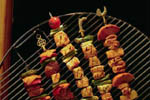
With the 4th of July right around the corner, you may be busy making plans with friends and family which always involves planning a menu. Summer gatherings are known for picnics and outdoor eating, and often times food safety is overlooked. One small mistake of food safety can result in foodborne illness and sicken your whole crew. Here are some tips to avoid foodborne illness.
1) Wash your Hands: many times foodborne illness can be avoided by simply practicing proper hand washing techniques. Be sure to wash your hands before cooking, after handling raw meat, and before eating. If running water is not available, bring hand sanitizer and rub it all over your hands, inbetween fingers, and around your nails.
2) Use sealed containers for packing your coolers: If juices from raw meats drip into your cooler and mix with other items, it creates the perfect environment for bacteria to grown. Use ziplock or sealed tight containers for packing your goods. If running water isn’t available, be sure to wash your produce before you leave home!
3) Avoid cross-contamination: bring two sets of utensils and plates to avoid cross contamination. One set for the raw food and one set for the cooked food.
4) Use a good cooler: Make sure your cooler is up to par for keeping your foods cool and be sure to leave enough room (1/4) of it for ice, ice packs, etc. Pack cool and hot foods separately and be sure to use your thermometer to check the temperature of the cooler throughout the day. Temperatures should be under 40 degrees.
5) Dont’ let food sit out: The danger zone for bacteria growth is between 40 and 140 degress F. Bacteria can double in a matter of 20 minutes when in this zone. Do not let any food sit out for more than 2 hours and if the temperature is higher than 90 degrees F, food should only sit out for an hour. Be especially mindful of meats, salads made with a mayo base, and anything dairy.
6) Use a thermometer: Meats needs to be cooked to certain temperatures to ensure doneness and eliminate bacteria. Hamburger must be cooked to 160 degrees F and chicken- 165 degrees F. If you are unsure of what temp your meat should be cooked to, please refer to this chart: http://homefoodsafety.org/cook
Enjoy and be safe!
-Kelsey
by kelsey | Jun 15, 2016 | Diet, Food, Wellness/Health
Iron Deficiency Anemia
Iron plays an important part to your body and helps move oxygen that is in your blood to different parts of your body. It helps your muscles by helping suppy oxygen to muscles so they can contract. Iron helps you use energy which in turn helps you feel more energized. People need different amounts of iron during different times in their life. Boys ages 9 to 13 need 8 mg/day with an increased amount of 11 mg/day for boys ages 14-18. Once a boy is age 19 or older the recommendation is back down to 8 mg/day. Girls in the 9-13 age group have the same iron recommendation as boys in the same age group, 8 mg/day. When girls reach the age group of 14-18 their needs increase to 15 mg/day. Their needs increase between the ages of 19-50 to 18 mg/day. Women over 50 can decrease their iron consumption back down to 8 mg/day. Women who are pregnant need an increased amount of iron of 27 mg/day and women over the age 19 that are lactating need 9 mg/day.
Many things influence iron absorption, here are a few facts that can help you increase your absorption of iron.
There are two different types of iron, heme and nonheme.
- Heme iron is only found in animal products which include meats, chicken, turkey, fish, and shellfish. Your body absorbs about 15 percent.
- Nonheme iron is found in plant sources and animal sources. This type of iron is absorbed be your body, 3 % to 8%.
Nonheme iron absorption could get better with the following
- Vitamin C, it is found in citrus fruits
- MFP factor is found in animal products
- Sugar, even in wine
Some factors limit or decrease the amount of iron that is absorbed into your body:
- Fiber found in grains and vegetables
- Oxalates, found in spinach, kale, cashews, beets and rhubarb
- Calcium and phosphorous found in dairy products
- EDTA, a food additive
- Tannic acid as well as additional polyphenols which is found in tea and coffee
- Food sources with a good source of iron
Foods with a good source of iron:
Fish/Seafood
Meat
Meat Alternatives
Beans/Legumes
- Kidney beans
- Black beans
- Garbanzo beans/ chickpeas
- Lentils
Vegetables
- Spinach
- Kale
- Mustard greens
- Potatoes
- Asparagus
- Broccoli
Dried fruits
Iron-fortified whole grains
- Cereals
- Breads
- Rice
- Pasta
- Egg yolks
Iron Deficiency Anemia Sample 1-day Menu
| Breakfast |
1 serving citrus fruit 3/4 cup raisin bran cereal 1 egg 1 slice whole-wheat toast 1 tsp margarine |
| Lunch |
3 oz tuna fish 2 slices whole-grain bread 1/2 cup carrots 1 medium apple 1 tsp mayonnaise 1/2 cup low-fat or nonfat milk |
| Afternoon Snack |
1 cup nonfat yogurt 1/2 cup grapes 1 pear |
| Evening Meal |
3 oz chicken 1 medium baked potato, with skin 1.5 cups mixed salad 1 tsp olive oil and vinegar dressing 1/2 cup low-fat or nonfat milk |
|
Source:
http://www.nutrition411.com/content/iron-deficiency-anemia
Academy of Nutrition and Dietetics
Written by Maria Morris, SDSU Dietetic Student
by kelsey | Jun 14, 2016 | Cooking Tips, Diet, Food, Weight Management, Wellness/Health

The warmer temperatures and summer months, always bring great cookouts and picnics. Typical picnic foods consist of burgers, brats, hotdogs, chips, and high calorie salads such as macaroni and potato salads. These are all very tasty foods, but they are also all very high in calories, fat, and sodium. Cookouts don’t have to bust the calorie bank. Choose your foods wisely and plan your menus to include a few healthy options and make substitutions like the meal examples below to help you fully enjoy each cookout while aiding in a healthy heart and waistline.
Choose This
90% lean hamburger with whole wheat thin bun
Grilled chicken breast
Grilled shrimp
One small tossed Salad with 1Tbsp light dressing
Fresh veggies with light ranch dip
Baked chips
½ c fruit salad
One small slice of angel food cake with light cool whip and strawberries
Unsweetened Tea with Lemon
Not That
80% lean hamburger with white bun
Hot dogs
Brats
Excess portions of: macaroni salad, potato salad, baked beans
Brownies
Kool-Aid
Regular pop
-Kelsey
by kelsey | Jun 9, 2016 | Diet, Weight Management, Wellness/Health

These next few days are going to be HOT!! The hot weather reminded me that it was perfect timing to discuss proper hydration procedures to ensure you do not suffer from any heat related illnesses such as heat stroke or dehydration. With the high temps and humidity, it’s extra important to make sure you get enough fluids! It is important to stay hydrated throughout the day, as it is too late, if you wait to get a drink when you feel thirsty. Especially for those older adults, it takes longer for them to feel thirsty even though they may be severely dehydrated.
Tips for getting adequate fluids:
- Keep a glass or bottle of water with you during the day so you can sip on it. Drink when you are thirsty and even when you are not thirsty.
- Drink more water instead of sugary beverages, milk and juice to avoid those extra hidden calories. Alcohol will increase your water loss. Plain water always works the best.
- Increase your fluid intakes if your diet is high in fiber, protein or salt.
- On days where you may be sweating alot or burning extra calories such as an all day softball tournament in 80-90 degree weather, or doing yardwork/landscaping in the heat all day…you may need to add electrolytes such as Gatorade or Powerade. I prefer G2 Gatorade as it’s lower in sugar, yet still has plenty of electrolytes. **Please note, these drinks are not necessary when you’re doing less than an hour of light activity or more sedentary activities as they just add extra calories and sugar.
- Consult with your doctor or dietitian if you are on a fluid restricted diet and would like further help with your hydration needs.
Use the above chart to determine your hydration level by the color of your urine.
-Kelsey
Graphic Reference:http://www.brownsburgathletics.com/images/urine.gif