by kelsey | Aug 24, 2016 | Diet, Food, Weight Management, Wellness/Health

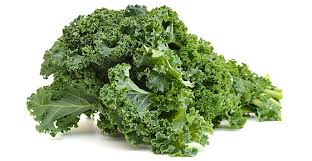
Vegetables. Eat your vegetables. We hear this all the time when talking about receiving proper nutrition because of the amount of nutrients vegetables provide with such little caloric value. Nutrient dense veggies should be a staple in our diet because of the benefits they provide. Eating significant amounts of vegetables can aid in weight loss, which most of us would love to do. Each vegetable has a different amount and type of nutrients that they carry. Some have more vitamin A than others, while others may be much higher in fiber. Today we’re going to look at the health benefits of a vegetable that isn’t as popular as it should be; kale.
Kale is a dark, leafy green vegetable that has tons of nutrients. Kale is high it Vitamins A, C, and K and Folate (a form of Vitamin B). Just like most vegetables, kale provides almost no caloric value with only 33 calories per cup. A cup of kale also provides 3 grams of protein and 2.5 grams of fiber. Existing research has shown that kale may provide health benefits that relate to a decrease in risk of cancer. There is also a linkage between kale consumption and decreased cholesterol levels, which supports heart health.
Adding kale to your diet has multiple benefits. Find a way to incorporate this vegetable into your regime, whether it be eating it raw, putting it on a burger, or making a salad out of it. Next time you’re in the grocery store, don’t be afraid to try some kale, you won’t regret it.
-Written by Braden Carmody, SDSU Dietetics Student
by kelsey | Aug 23, 2016 | Etc.

School is starting this week and that means homework, studying, and activities! We often forget about the importance of our health due to the fact we get consumed by our studies. Making health a priority during school is important and can be much easier than most would think. Whether you’re in elementary, high school, or college, here are some healthy tips to keep a healthy balance between nutrition and school:
- Pack healthy snacks/lunches: One main reason students establish unhealthy eating habits is because of how busy their schedules are. Packing healthy snacks to bring to class or to your study spot makes it easy to skip the junk food and extra caffeine.
- Hit the gym/use recess: Elementary students should use their recess period to add some extra physical activity to their day. Many universities have wellness/rec centers that are free for students to use. Take advantage! Working out for as little as 30 minutes a day can make a big difference.
- Get a good night’s sleep: Sleep puts our bodies into an anabolic state, meaning that our muscles grow and recover from break down. Getting enough sleep each night is vital for our body to reach its peak potential and function properly.
- Eat breakfast: Skipping breakfast is very common for students of all ages. Eating breakfast helps keep you fuller throughout the day, making it easier to lay off the junk food. Eating in the morning also gives students more energy and makes them more attentive during class.
- Walk/bike to school: Walking or biking to school instead of driving is an easy way to burn a couple extra calories during the day.
There are multiple ways we can stay healthy during the school year. Make sure to stay health conscious and you will have no problem keeping a healthy lifestyle.
by kelsey | Aug 18, 2016 | Etc.

Jumpstart your wellness and take control of your health. Join us for STRIVE 2 Survive, our 12-week health and wellness program beginning September 13!
The two main components of STRIVE 2 Survive include diet & exercise.
12 Week Wellness Program
6 Lectures: every other Tuesday @ 5:30-6:30pm.
1st lecture at Brown Clinic Admin
Remaining Lectures at the County Fair Banquet Hall
September 13: “Healthy Eating Made Easy” Kelsey Raml, MS, RD, LN
September 27: “Exercise for the Health of It” Dr. Dan Reiffenberger & Dr. Torness
October 11: “Your Equation to Success” Dr. Jon McAreavey
October 25: “A Walk thru the Wellness Wheel” Dr. Clark Likness
November 8: “Medications…to do or not to do” Deidra VanGilder, PharmD
November 22: “Making Health a Way of Life” STRIVE Team
6 Take Home Lessons: sent to you during the weeks we don’t meet. Topics are focused on wellness.
Evaluations
- Lab Work: lipid & glucose labs: beginning and end of program
- Body Composition Testing : beginning and end of program
- Weekly Weigh Ins
Cost: $130 includes lab work, body composition tests, lectures, lessons, and Strive 2 Survive t-shirt
STRIVE 2 Survive applies to all who have a heartbeat…adolescents to the elderly!!
Contact us NOW to get enrolled!
For more information and to sign up, contact:
886-8482 or email strive2survive@brownclinic.org Visit our wellness blog at: www.s2sbrownclinic.com
by kelsey | Aug 17, 2016 | Cooking Tips, Diet, Food, Weight Management, Wellness/Health

For most students, graduating high school means starting a new chapter in life: college. The first month of college is typically the most stressful time EVER. Worrying about finding your classes, making new friends, and getting good grades takes a toll on almost every student. This can affect those younger students not going to college, but just back to school as well! Being stressed can have a detrimental effect on our overall health, it can even cause us to gain weight. Eating is considered to be a way to handle stress. When we are stressed we tend to eat more and snack more. Most of the time we do this we are eating our favorite tasting foods: candy, cookies, chips, and other processed foods.
If you or your children are going back to school this fall, take these tips into mind to avoid the “Freshman 15” or any weight gain for that matter:
- Choose healthy snacks for study time. Study breaks are needed, especially before exams, and having healthy snacks is an easy way to keep off weight. Eating unhealthy snacks is a major contributing factor for weight gain.
- Don’t skip breakfast! Often times students wake up as late as they can, so they don’t have time to eat breakfast. Wake up a little earlier and make time to eat in the morning. Eating breakfast has shown to keep you full longer throughout the day and can help students be more successful and attentive in the classroom.
- Be health conscious in the dining hall. Go for the healthiest options you can when choosing from your meal plan. Meals that are baked, steamed, or grilled rather than fried or buttered are much better options.
- Avoid liquid calories such as those found in pop, juice, Gatorade, or alcohol (for college students). These empty calories can add up without knowing it! Stick to water or sugar free beverages.
- Hit the gym or incorporate activities into your daily routine. Aim to get at least 30-60 minutes of activity a day.
- Get enough sleep. Sleep is vital for your body to function properly and when we don’t receive the proper amount, weight gain is very common. Sleep helps boost mood and energy levels. Aim to get at least 7-8 hours a night!
-Written by Braden Carmody, SDSU Dietetics Student
by kelsey | Aug 16, 2016 | Weight Management, Wellness/Health

I think I speak for most people when I say, receiving the right amount of every single nutrient each day can be very difficult. Some struggle eating vegetables, while others may struggle incorporating enough protein into their diet. Each food group provides nutrients essential for our body to function at it’s maximum potential. Not receiving proper amounts of these nutrients is harmful to our health and that’s where supplements come into play.
Supplements are products made to basically fill the deficits in our diets. They come in many forms; powders, pills, tablets, and bars. Supplements are made to contain the daily amount (sometimes more) of the nutrient being advertised. Sounds great, right? Not so fast.
Dietary supplements were once regulated strictly by the Food and Drug Administration (FDA), today they are not. Unlike drugs, supplements are not required to undergo tests that prove them safe and effective. Supplements are basically treated as a type of food, and are considered to be safe unless proven otherwise. Manufacturers are not required to prove that their advertisements are accurate or truthful to the FDA’s standards either. The FDA basically has no say in production of the supplement until after it hits the market, but even then, the FDA doesn’t give a strict revision. Supplement firms must report any drastic effects provided by a supplement, then the FDA may choose to act upon removal of the supplement.
In recent years, there have been times where ingredients are slipped into products that are mislabeled. Most often times these ingredients have no harmful effects, but there have been cases where heart attack and strokes have occurred due to food-drug interactions, that users were unaware of.
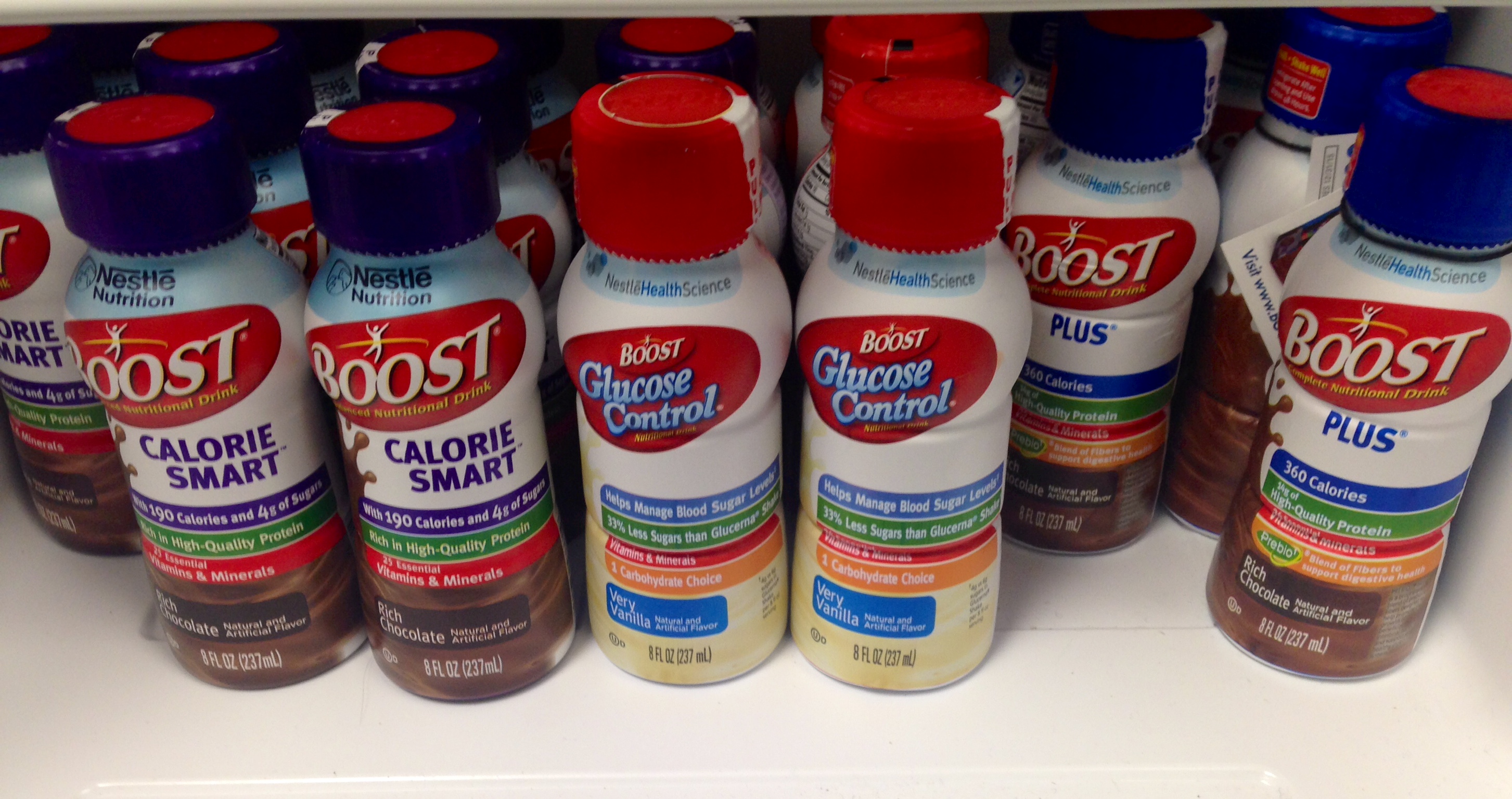
There are certain groups of people who do need to take supplements, though. Pregnant women need to focus on a folate supplement, while vegetarians may need to take a Vitamin D and B12 supplements. Athletes have also seen some benefits from using supplements such as protein, that can aid in muscle development and recovery. Meal replacement shakes, such as Boost and Ensure, provide a variety of nutrients with convenience. These are very beneficial when patients are diagnosed with an illness or health defect that doesn’t allow them to eat real food adequately. These meal replacement shake are found commonly throughout nursing homes and clinics because of the wide array of patients in need of these products.
Supplements are usually self-prescribed, meaning we pick and choose when we need them and take them, which causes a delay in reporting side effects and different reactions. You should consult with a health professional before taking a dietary supplement.
Here’s a list of the 5 most common supplements:
- Probiotics 2. Protein 3. Omega 3’s (fish oil) 4. Whole-Food concentrate 5. Multivitamin
It is important to educate yourself before taking a supplement because you need to know what you’re really buying. Supplements can be beneficial, but they can also be a waste of money. Don’t waste your time unless you truly need them. Nothing beats a diet rich in nutrient-dense whole foods.
-Written by Braden Carmody, SDSU Dietetic Student