I’m a few days late on my National Ag Day post, but I figured better late than never!! If you ate today, be sure to thank a farmer! Consumers want to know where their food comes from, yet know very little about how food gets from the farm to the dinner table. Do you know where your food comes from? Most consumers today are three generations removed from the farm. For example, one thing consumers are unaware of is that milk travels from the farm to grocery store in about 48 hours. In addition, some criticize farmers because they use GMO (genetically modified organisms) seeds and hormones in cattle to promote growth. Farmers understand the science behind these products and why they should be used: by using them, they can use less water, less pesticide and herbicide, and produce enough yield to feed the world! Without these scientific advancements, we would not be able to feed the starving world! Farmers share the same values as consumers on many topics including those related to producing nutritious food, environmental stewardship and animal care. This is not a just a “job” for them, it is their life!
Check out the information and facts below!
What Is Ag Day All About? Ag Day is about recognizing – and celebrating – the contribution of agriculture in our everyday lives. The National Ag Day program encourages every American to:
Understand how food and fiber products are produced.
Value the essential role of agriculture in maintaining a strong economy.
Appreciate the role agriculture plays in providing safe, abundant and affordable products.
Why Celebrate Agriculture? Agriculture provides almost everything we eat, use and wear on a daily basis. But too few people truly understand this contribution. This is particularly the case in our schools, where students may only be exposed to agriculture if they enroll in related vocational training.
By building awareness, the Agriculture Council of America is encouraging young people to consider career opportunities in agriculture.
Each American farmer feeds more than 165 people … a dramatic increase from 25 people in the 1960s. Quite simply, American agriculture is doing more – and doing it better. As the world population soars, there is an even greater demand for the food and fiber produced in the United States. https://www.agday.org/promote
Here are few fun facts for you about agriculture in South Dakota include:
98% of farms in South Dakota are family owned and operated – in fact, over 2,500 South Dakota farms have been in the same family for more than 100 years.
The average size of a farm in South Dakota in 2016 was 1,397 acres.
The average age of a South Dakota farmer is 57 years.
There are 46,000 producers in South Dakota on 31,000 farms or ranches.
Each year, one South Dakota producer raises enough food to feed 155 people in the U.S. and abroad.
South Dakota’s agriculture industry has a $25.6 billion economic impact each year. With more than 19 million acres of cropland and 23 million acres of pastureland, our farmers and ranchers are one of our economy’s key drivers.
In addition to generating 20% of our state’s economic activity, production agriculture and its value added industries employ over 115,000 South Dakotans.
Here are some fun facts about dairy production:
Milk takes about 48 hours to get from farm to store. Thanks to hardworking dairy farmers for making our food fresh & local.
Between 1944 and 2007, milk production has quadrupled but emits 63% fewer greenhouse gasses, requires 90% less cropland and consumes 65% less water.
Cheers to the dairy farmers working hard to make the milk behind our pizza!
Take this 10-stop video tour to see how milk from real cows, on a Midwest farm, becomes dairy foods you love. Use your smartphone, tablet or computer for an insider’s view of dairy farm living: http://bit.ly/MidwestFarmTour
Delicious dairy comes from local farms – see for yourself: http://bit.ly/MidwestFarmTour
Producing the food that you put on your table, truly is a labor of love and hard work, so in celebration of National Ag Day, I encourage you to thank our local farmers for helping put that delicious food on your table and the clothing on your back… and take extra appreciation of it!
To all of you that work in acres, not hours. We thank you!
Below are some pictures of my favorite farmers/ranchers–my husband, sons, and the Raml family! I married into a farming/ranching family and it certainly has had challenges, but ag is our life and we are thankful for all it offers us! I especially enjoy learning more about the production side of agriculture so that I can appropriately and effectively educate my patients on the practices and nutrition side of it! Enjoy looking at a glimpse into our life!
Beautiful summer day to check cows in the pasture and give them some mineral.
Combining beans with Dad.
Playing in the corn! Gotta scoop up that corn in his payloader!
Corbin loves the baby calves. Here he is giving this his baby calf some love at the Black Hills Stock Show.
Checking out Uncle Ben’s pigs!!
Corbin helping get the planter ready with Dad and Uncle Grant. Tractor family selfie! I think Adam enjoyed the quiet after we got out! 🙂Carson is a lover of cows! He says a real good ‘moooo’!! Corbin learning how to work calves with the guys.Cute calves and cute boys of mine! Always exciting to see the new babies! Corbin and I got put to work helping video bulls for our sale this year. Photo credit: Brad Hook.This is one of my favorite photos taken by professional Brad Hook. This is really what it’s all about–PASSION and a LOVE for farming and ranching! We wouldn’t be doing what we do if it wasn’t for my Father in Law Phil sharing his passion with us. We are blessed! Corbin (5) & Carson (1) – 6th Generation Farmers.
This last year has resulted in a lot of mixed emotions. We are hopeful we are on the other end of the COVID “marathon” thanks to the vaccine rollout, but we still need to be vigilant and make good choices to keep ourselves and loved ones healthy! All of this can certainly wear a person out mentally and physically….which can result in overeating, less activity, and depression. There are a lot of things we cannot control, so we need to focus on those things we can control. Below are some tips to help you stay healthy and well inside and out!
Tips
for staying well inside and out:
•Get active! Activity produces natural endorphins that boost mood. Try getting at least 30 minutes of activity in
a day…if you can do more, the better. You do not need to go to the gym—go for
a walk outside, play in the yard, turn on the music and dance, go for a
scavenger hunt!
•Eat Right:
healthy eating will make you feel healthier inside and out. Aim to get at least
5 fruits and veggies a day, include whole grains, lean meats, and healthy fats.
Avoid junk foods!
•Spice up your life: Browse the online boutiques, take a bubble bath, read a new and exciting book, download some new tunes, or watch a new show or movie to help spice up your life.
•Think
Positive! Dwelling on the negatives can sure take a person down. Instead
think about the positives in your life. Call or facetime your loved one you
haven’t talk to in a while. Think happy thoughts (like this picture—awwww J). Pray, meditate, and focus on the
blessings in your life!
We decided to hold off on having our spring STRIVE 2 Survive session this year, but we are hopeful we’ll be back in action this fall. If you’d like to work on your wellness goals and need some extra help, I’m happy to work with you individually. Contact me to set something up!
March is known as National Nutrition Month, which was created by the Academy of Nutrition and Dietetics. In March of 1973, National Nutrition Week was created to deliver nutrition education messages to the public while supporting the profession of dietetics. The public’s growing interest in nutrition expanded the week-long celebration into a month-long observance in 1980. The campaign each year is to focus on the importance of making informed food choices and developing sound eating and physical activity habits throughout the month of March.
National Registered Dietitian Day is also celebrated the second Wednesday of March. Dietitians are the providers of food and nutrition services committing themselves to helping people enjoy healthy lives. Registered Dietitians:
• Are the food and nutrition experts who can translate the science of nutrition into practical solutions for healthy living.
• Have degrees in nutrition, dietetics, public health or a related field from well-respected, accredited colleges and universities, completed an internship and passed an examination.
• Use their expertise to help individuals make personalized, positive lifestyle changes.
• Work throughout the community in hospitals, schools, public health clinics, nursing homes, fitness centers, food management, food industry, universities, research and private practice.
• Are advocates for advancing the nutritional status of Americans and people around the world.
Dietitians are there to assist in overall health and wellness, not just weight loss. We want to make sure you have the energy you need to fuel your body and be the best version of yourself. Be sure to utilize your local dietitian for any health or nutrition questions you have!
Telehealth appointments are available as well! Feel free to contact me if interested in working together on your nutrition and wellness!
Lenten season means fish season! Fish is not the most popular protein in our area since we are a land locked, northern state. Our mid-western diet typically includes proteins from beef, chicken, and pork…and fish often gets overlooked. During the Lenten season, it’s a good time to try out some new varieties and types of fish as they are better stocked and often times are better priced (ie- salmon, mahi-mahi, talapia, etc). The frozen bags of fish often have the filets in individual servings or two servings in a wrap so you can just take out as much as you need and then put the rest of the bag back in the freezer. Fish is a very lean and low fat protein so if you are watching your weight, it’s a good choice. Another benefit of some types of fish is the omega 3 fatty acids. Fatty fish such as herring, trout, tuna, mackerel, seabass, and salmon have these good fats. Our fresh water fish from around here such as walleye, northern, and perch, do not have these fats, however they are still lean proteins. It is recommended to incorporate two servings of fish into your weekly intake, so get into the habit of this during Lent and it could stick!
When we eat fish, we often think of it as breaded and fried like the picture, however that is not the healthiest choice. Instead of frying try these cooking methods: •Grill: Season the fish with herbs and spices and a little lemon juice (from real lemons!). Lightly brush the fish with a little olive or canola oil so it won’t stick to the grill and cook for 10-20 minutes. The picture shows one of my favorites: grilled shrimp. •Saute: You can saute any type of skinless fish. Again, season as desired and then heat a little olive or canola oil in the skillet on medium-high. Cook the fish for 2-3 minutes on both side. •Poach: Place the fish in a saucepan or deep skillet and add enough stock, water, or wine to barely cover the fish. Add your seasonings, herbs, or spices and bring the liquid to a simmer on medium heat. Simmer for 10 minutes or until the center is opaque. Then you can dress it up with a sauce if desired. •Bake: lightly coat a baking sheet with cooking spray and arrange the seasoned fish fillets on the sheet with seasoning. Bake for 7-10 minutes…you do not need to flip the fish. You can also put the fish filet in tin foil so the seasonings and herbs really flavor the fish. •Broil: season the fish filet and brush with olive oil. Place on a broiler pan rack and broil 4-6 minutes on each side. •If you choose to fry, try making it a little healthier by using an egg white to coat your filet, use canola oil to fry in, and instead of the white flour coating, try whole grain cracker or bread crumbs. •When your fish is opaque and flakes easily, your fish is fully cooked.
Give it a try…you may be surprised how much you like it!
In celebration of National Heart Month I cannot resist reminding you about the significance diet and activity play in promoting a healthy heart. Heart disease is the number one killer of Americans and affects both men and women. Genetics do play a role, however a heart healthy diet and and regular activity can help minimize the effects and complications of heart disease. Whether you have heart disease in your family or not, it’s still good to follow a heart healthy eating plan. Highlights of the diet include:
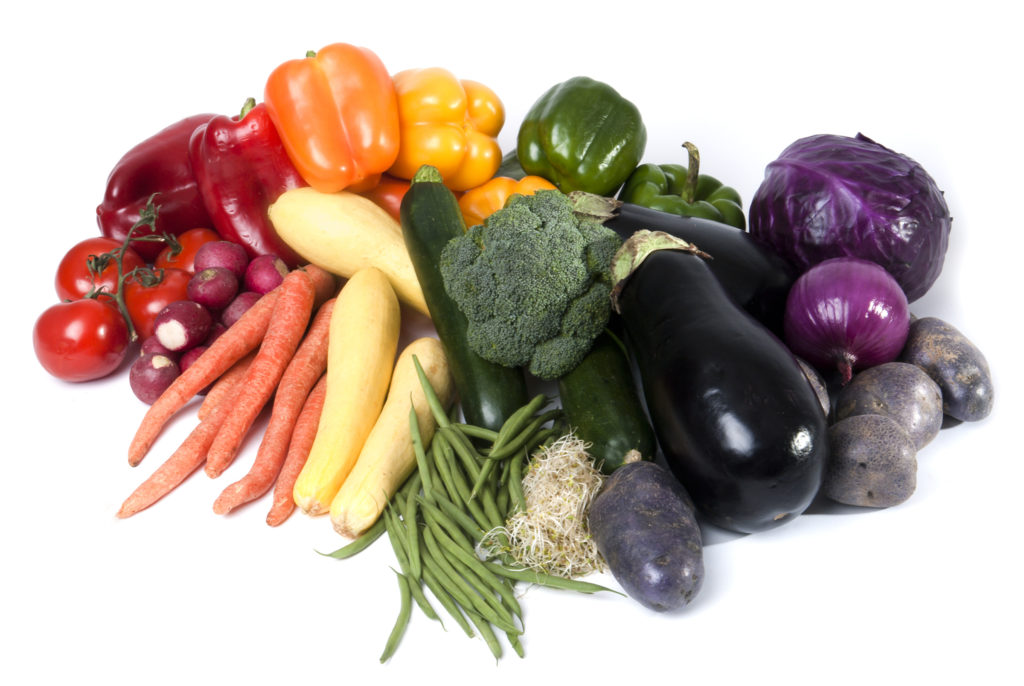
Lots of fruits and veggies! I’m sure you already knew this one, but the benefits of getting your 5 a day servings of fruits and veggies are worth reminding you again. Most of us know this, the hard part is doing it. Try adding them to your meals, have fruit as a snack, get a double serving to help you reach this goal.
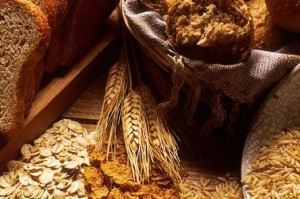
Fiber! Fiber is very beneficial in combating heart disease. Incorporating more whole grains (and fruits, veggies, and beans/lentils) into your diet will increase your fiber and aid in heart health. Oatmeal, brown rice, wild rice, whole grain noodles, whole grain breads, and even popcorn are considered whole grains. Aim to get at least 25-35 g/day.
Choose lean proteins. Decreasing the amount of saturated fat in your diet will help reduce plaque buildup. Choose white meat poultry without the skin, 90% or greater lean hamburger, fish, beans, etc….stay away from processed meats! Fatty fish such as salmon, tuna, herring, and trout offer additional benefits as they are loaded with healthy omega 3 fatty acids.
Choose healthy fats. Incorporating more plant fats such as canola oil and olive oil into your diet and reducing your intake of saturated and trans fats has been shown to improve heart health. You want to choose foods that are lower than 5-8g of total fat per serving and <3g saturated and trans fat per serving. Choosing low fat dairy products will help reduce the amount of saturated fat in your diet as well.
Hold the salt! Excess sodium can increase blood pressure and cause heart failure. Aim to keep your sodium intake below 2400mg/day. You can do this by doing more home cooking, avoiding boxed or packaged goods, cooking with salt free seasonings, and not using table salt.
Exercise! At least 30 minutes of exercise a day has been shown to improve heart health. If you can do more, the better!
Making small changes or substitutions will help you have a healthier heart and reduce risk for disease. Reading labels is really essential to help you make good choices, so take some time in the grocery store and really examine the products to ensure you’re making healthy choices!