by kelsey | Oct 30, 2018 | Etc., Wellness/Health

Our Pharmacist Deidra VanGilder talked at our recent STRIVE 2 Survive lecture. She always does a great job addressing the hot topic of vitamins and minerals. Thus I thought we’d share some of her information on the blog for those of you interested in this topic! If you have any individual questions, please email us at strive2survive@brownclinic.org.
There are many different kinds of multivitamins and it’s hard to know which one is best for you. We always prefer you to get the vitamins and minerals from real food over supplements, so striving for a well balanced diet that is rich in fruits and vegetables, whole grains, low fat dairy, and lean proteins is the first step. If you are cutting calories to lose weight, you have a health condition that needs additional vitamins or minerals, or you just want to stay healthy and aid in disease prevention, a MVI may be for you. There are two types of vitamins: fat soluble and water soluble. Fat soluble vitamins include vitamins A, D, E, and K and can be stored in our bodies. Water soluble vitamins such as the B vitamins and vitamin C cannot be stored in the body, which means we can only store so much and when excess is consumed, they are excreted out. This concept is very important to understand as often times, you may be wasting your money on a supplement if you are already getting adequate amounts through your diet.
Below is Deidra’s take on the various kinds of supplements:
- Basic: contains essential vitamins from vitamin A to Zinc
- Women’s- more Calcium and Vitamin D to help support breast and bone health
- Men’s- more Lycopene for prostate health
- Silver (50+)- Supports eye health, bone health, and B vitamins for energy…Deidra recommends the Centrum Silver as an excellent one for this population.
- Prenatal- More folic acid, iron, and DHA (omega-3) to help support child growth
- Performance/Energy/Metabolism- Contain some herbals thought to help increase energy as well as extra B vitamins…be sure to ask your health care team about these before taking them as they may interact with your meds or contain extra caffeine.
- Cholesterol/Cardio- Contain phytosterols to help lower cholesterol
** Vitamins vary in the levels of vitamins/minerals they contain
** Look at the amount of calcium and vitamin D in each vitamin
** Some multivitamins don’t contain iron
** Grocery store generic vitamins are ok to buy
As you can see there are many different types of vitamins. Overall, we recommend just a basic multivitamin such as One a Day or Centrum Silver to help fill the gaps that your diet is not fulfilling (a multivitamin should NEVER replace real food included in a well balanced diet!). If you have a specific health need such as a woman being pregnant or you are over the age of 50, then you can take that specific vitamin to fit your needs. The supplement industry is not regulated by the FDA like prescription drugs are…thus it is essential to consult your health care provider before taking supplements to ensure it is appropriate for you.
-Kelsey
by kelsey | Oct 25, 2018 | Diet, Food, Weight Management, Wellness/Health

To me, one of the most stressful sections/aisle in the grocery store is the yogurt and/or dairy aisle. There are so many options, I feel overwhelmed and then just don’t end up buying any. There is Greek, Icelandic, Australian, Kefir, non-dairy, added flavors, traditional yogurts, etc. All of these add to the confusion. Yogurt has benefits for your health. It can be a great snack, breakfast on the go, or even a small dessert for after a meal. Benefits of yogurt include:
- Probiotics!-these help with digestion, gut health, and boosting immune systems
- Calcium-calcium is needed for building bone tissue, blood clotting, and muscle to work properly
- Protein-can help fill you up, helps build muscle, healthy skin, cell growth, and many other functions of the body
- As you walk down the yogurt aisle you may notice the packages with say higher protein, low fat, no fat, no sugar added, real fruit, added fruit, etc. These labels can be confusing and overwhelming. How do you navigate them all? Read the nutrition label is the greatest tip to use. Read the ingredients list. Try picking yogurts with less ingredients. This helps to reduce amount corn syrup, preservatives and other added ingredients that are consumed through yogurt. Fat free doesn’t mean sugar free! Many producers will take out the fat, but then will add sugar or corn syrup back in to replace fat. This makes the sugar and carbohydrate amount be increased. A light yogurt or low fat yogurt would be a better option if you were diabetic as they usually have the sweeteners like stevia, Splenda, equal, etc. Maybe you are wanting a yogurt with more protein, go for a Greek yogurt or ultra-filtered yogurt. Want to stay fuller longer? Try a yogurt with more fat and protein. This provides more calories to keep you fuller longer. Fruits, honey, and granola will add more calories and carbohydrates. Try a plain or vanilla yogurt and add your own whole fruits or whole grain cereals to it. There isn’t a 1 kind fits all in the yogurt aisle. Explore which one you like the best and which one best fits your nutritional needs.
-Written by Alyssa Kauffman, SDSU Dietetic Intern
by kelsey | Oct 23, 2018 | Diet, Food, Weight Management, Wellness/Health

It’s that time of year again. Not only are the aisles of Wal-Mart strewn with witch hats, zombie make-up and fairy wings, but of course there is the looming aisle of Halloween candy. It can be easy to over indulge on treats this time of year. Most of the candy passed out to trick-or-treaters comes in “fun size” or “mini” portions. However, looks can be deceiving; people often believe that since they are smaller in size, more can be consumed. Calories from Halloween candy can quickly add up. For example; 3 mini snickers bars pack 300 calories. To burn off that many calories you would have to walk at a brisk pace for 1.5 hours or run for 40 minutes.
Fortunately the 31st of October doesn’t have to mean automatic weight gain. Try waiting until the day before to buy treats to pass out. You will be less likely to feel the need to nibble if you don’t buy it a month ahead of time. Keeping it out of sight, such as up in a closet you rarely use, can help you forget that it’s even in the house. The biggest challenge with Halloween candy is the leftovers. After the trick-or-treaters have come and gone we are often left with the reality that we stocked up for 400 doorbell ringers, and only got 15. Buying candy that you don’t like is an easy way to keep you from eating it both before and after the holiday and you can always donate it to get it out of your house. Below are some healthier options to pass out next week!
Halloween the Healthy Way….treats/prizes to try:
Sugar-free gum
Boxes of raisins
Animal crackers
Pretzels
Trail mix
Fruit snacks
Lollipops
Non-Candy choices: stickers, small toys, erasers, etc.
Pictured above my busy bee Corbin last year. Be sure to check back to our blog on Halloween for this year’s costume!
-Kelsey
by kelsey | Oct 17, 2018 | Etc., Food

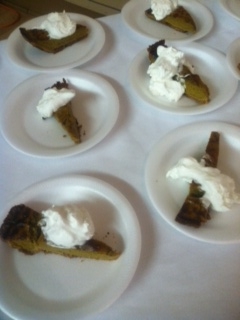
Pumpkin is one of, if not, the most common fall flavors that everyone enjoys. Several types of desserts have pumpkin added to them to increase taste or appearance. Here are a few healthy pumpkin recipes to enjoy this fall season without feeling guilty about eating bad:
Healthy Pumpkin Pie
- 1 can pumpkin puree
- 1 can full-fat coconut milk
- ¼ cup rolled oats
- 2 tbsp ground flax
- 1/3 cup coconut sugar or brown sugar
- pinch of stevia or 2 tbsp of brown sugar
- 2 tsp cinnamon
- 1 tsp pumpkin pie spice
- ½ tsp salt
- 1 tbsp pure vanilla extract
Directions:
Healthy Pumpkin Pie Recipe: Preheat oven to 400F. Blend all ingredients together until smooth, then pour into a prepared pie crust (such as the recipe below) in a 10-inch round pan. Bake 27 minutes (it will still be underdone after this time, which is okay!), let it cool, then refrigerate at least 5 hours uncovered for the pie to thicken and “set.”
Honey Whole Wheat Pumpkin Bread
- 1/3 cup melted coconut oil
- ½ cup honey
- 2 eggs
- 1 cup pumpkin puree
- 1 tsp. vanilla extract
- ½ tsp salt
- ½ tsp cinnamon
- ½ tsp. ginger
- ¼ tsp. nutmeg
- ¼ teaspoon allspice
- 1 ¾ cups whole wheat pastry flour
- 1/3 to ½ cup rinsed millet (optional
- 1 tsp. baking soda
- ¼ cup hot water
Directions:
- Preheat oven to 325 degrees Fahrenheit (165 degrees Celsius) and grease a 9×5 inch loaf pan.
- In a large bowl, beat oil and honey together. Add eggs, and beat well.
- Stir in pumpkin purée and vanilla, then the salt, cinnamon, ginger, nutmeg and allspice. Stir in flour, just until combined. If you’re adding millet, stir that in as well.
- Add baking soda to hot water, stir to mix, and then mix briefly into batter until it is evenly distributed. Spread batter into the greased loaf pan.
- Sprinkle with cinnamon, and swirl with the tip of a table knife for a pretty marbled effect. Sprinkle a big pinch of turbinado sugar on top for a light, sweet crunch.
- Bake for 55 to 65 minutes. Be sure to check that the bread is done baking by inserting a toothpick in the top. It should come out clean. If the top of the bread jiggles when you pull it out of the oven, it’s NOT done! Let the bread cool in the loaf pan for 5 minutes, then transfer it to a wire rack to cool for 30 minutes before slicing.
Whole Wheat Pumpkin Cookies
- 2 ½ cups whole wheat pastry flour
- 1 tsp. baking powder
- 1 tsp. baking soda
- 2 tsp. cinnamon
- ¾ tsp. nutmeg
- ¾ tsp. ground cloves
- ½ tsp. salt
- ½ cup butter, softened
- 1 ½ sugar
- 1 cup canned pumpkin puree
- 1 egg
- 1 tsp. vanilla extract
- powdered sugar (optional)
Directions:
- Preheat oven to 350 degrees Fahrenheit (175 degrees C). In a medium bowl, whisk together your dry ingredients (flour, baking powder, baking soda, cinnamon, nutmeg, ground cloves, and salt).
- In another medium bowl, cream together butter and sugar. Add pumpkin, egg, and 1 teaspoon vanilla; beat until creamy. Mix in dry ingredients and stir just until combined. Use a cookie dough scoop or two spoons to drop one tablespoon of dough onto a parchment paper-covered cookie sheet. Flatten each cookie slightly.
- Bake for 15 to 20 minutes. Sprinkle the baked cookies with a light dusting of powdered sugar and transfer the cookies to a rack to cool.
-Kelsey
by kelsey | Oct 16, 2018 | Etc.

Reposting to remind you all that Running’s Ladies Night is THURSDAY!!! Come visit our clinic booth and our Radiologist, Dr.Gwen Schaunaman!! We will have some great handouts and goodies to give out!! Runnings is offering a special that you buy a pink bucket (proceeds go to fight breast cancer) and 15% off anything you can fit in the bucket. It’s a great event!! Come visit us!
Be sure to mark your calendars for Running’s Ladies Night Event October 18th from 5-8pm! It is an awesome event supporting and promoting the fight against breast cancer!! Our radiologist Dr.Gwen Schaunaman will be at our clinic booth to answer any questions about our 3D mammography and diagnostic testing we do here at the clinic. Be sure to stop by and say hello to us!
October is Breast Cancer Awareness Month. Many of us know of someone who has been affected by breast cancer as it is the most common cancer in women and more than 230,000 women are diagnosed with breast cancer every year in the United States as stated by the American Cancer Society.
It is important to recognize some symptoms of breast cancer. The most common symptom is the presence of a painless lump in the breast area. Less common symptoms include swelling, tenderness, skin irritation, redness, or nipple abnormalities which may include ulceration or discharge.
Factors that increase the risk of developing breast cancer include the onset of menstruation before age 12, menopause after the age of 55, not breastfeeding for at least one year, not having children, or having children after 30 years of age, and having a high body mass index.
Increased body weight in postmenopausal women who are not taking hormones increases the risk for developing breast cancer. The more fat cells you have, the higher your levels of estrogen in the postmenopausal period, when your ovaries are no longer producing estrogen. Moreover, overweight women have higher insulin levels, and insulin may promote breast tumors.
Nutrition Tips for Cancer Prevention:
Fruits, vegetables, and whole grains are great sources of antioxidants and phytochemicals. Antioxidants and phytochemicals play a role in cancer prevention. Carotenoids is a type of antioxidant that is found in red and yellow produce. Some examples of foods that contain carotenoids are carrots, pumpkin, winter squash, tomatoes, citrus fruits, and red sweet peppers. All dark green vegetables contain nutrients that protect against cancer. Good sources of dark green vegetables include spinach, asparagus, bell peppers, broccoli, brussels sprouts and kale. An additional benefit to eating a well balanced diet that includes a variety of fruits, vegetables, and whole grains is that it promotes a healthy weight. Maintaining a healthy weight will help you to decrease your risk of developing cancer. A helpful tip to remember is that the more colorful the fruit or vegetable, the more nutrients it contains; so pack your plate with colorful choices!
-Kelsey