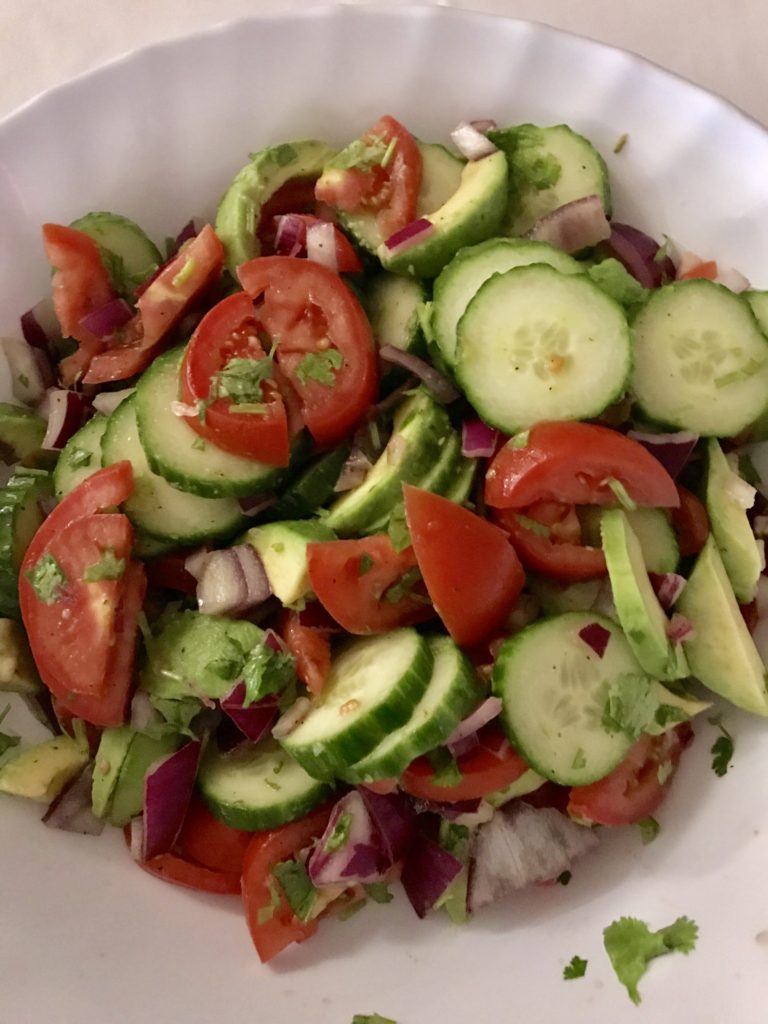
The official kick off to summer and picnic season is this weekend: Memorial Day Holiday! This time of year always bring great cookouts and picnics. Typical picnic foods consist of burgers, brats, hotdogs, chips, and high calorie salads such as macaroni and potato salads. These are all very tasty foods, but they are also all very high in calories, fat, and sodium. Cookouts don’t have to bust the calorie bank. Choose your foods wisely and plan your menus to include a few healthy options and make substitutions like the meal examples below to help you fully enjoy each cookout while aiding in a healthy heart and waistline.
Eat This
90% lean hamburger with whole wheat thin bun
Grilled chicken breast
Grilled shrimp
Tossed Salad with light dressing
Fresh veggies with light ranch dip
Baked chips
Fruit salad
Angel food cake with light cool whip and strawberries
Homegrown gardens are a great way to teach children about how food is grown and where it comes from and get them interested in healthy foods. Children are more likely to try a food that they have seen grow from a small seed.
Now is planting time!! Let them help you plant or if you already have your garden in, get your children involved or have them plant a seed of their choice in a pot so they can water and watch it grow. There are many tasks children can do in the garden setting such as planting the seeds, pulling weeds, or watering the plants. Get them involved and help teach them where our food comes from!
Summer is right around the corner and beautiful weather is fast approaching! With nicer weather comes gardening, which allows us to pick fruits and vegetables from the convenience of our own backyard. There are also better quality and more fruit and vegetable options at the grocery store during the spring/summer months. Therefore, it seems to be easier to fill half of our plates with fruits and vegetables during these months.
According to the Dietary Guidelines, American’s should be getting 2 cups of fruit and 2 ½ cups of vegetables per day. However, only about 14% of American’s are meeting those guidelines. Fruits and vegetables are a great way to add color, flavor, texture, vitamins, minerals, and fiber to your meals or snacks.
Try utilizing some of the following tips:
Try a breakfast smoothie made with low-fat milk, frozen strawberries, and a banana (or replace either of the fruits with fruits or vegetables of your choice such as blackberries, blueberries, spinach, etc.).
Make a vegetable pizza with an assortment of toppings such as broccoli, spinach, green peppers, tomatoes, mushrooms, and zucchini.
You could also add any of your favorite vegetables to a frozen pizza.
Enjoy the nice weather by grilling vegetable kabobs filled with tomatoes, green and red peppers, mushrooms, or onions and add a lean protein for a whole hearty meal.
Keep cut vegetables on hand for mid-afternoon snacks, side dishes, or lunch box additions. Some ready-to-eat favorites include: red, green, or yellow peppers, broccoli or cauliflower florets, carrots, celery sticks, cucumbers, snap peas, or radishes.
Place fruit where it is easily accessible for everyone to grab for a snack-on-the-run. Keep a bowl of fresh fruit in the center of your kitchen or dining room table.
Make a habit of adding fruit to your breakfast. Add it to your oatmeal, ready-to-eat cereal, yogurt, or waffle.
Add grated, shredded, or chopped vegetables like zucchini, spinach, peppers, and carrots to lasagna, meat loaf, mashed potatoes, pasta sauce and rice dishes.
Eat fruit for dessert! Slice a banana lengthwise and top with a scoop of low-fat frozen yogurt, sprinkle with a tablespoon of chopped nuts.
Dip: Whole wheat pita wedges in hummus, baked tortilla chips in salsa, strawberries or apple slices in low-fat yogurt, or graham crackers in applesauce.
Our Doctor of Pharmacy, Deidra Van Gilder, PharmD covers the hot topic of supplements in our in our 12 week wellness program. She spoke on this at last night’s session so I thought it was fitting to cover on the blog too! Supplements are a hot topic and you may wonder what the professionals in the field recommend on this topic as there is a lot of information to be found on the internet.
The below information is from Deidra herself….hope it is helpful to you!
Fish oil contains two important components: DHA (docosahexaenoic acid) and EPA (eicosapentaenoic acid). Another substance called ALA (alpha-linolenic acid) may be as effective as DHA and EPA although it doesn’t have as much evidence for its use. ALA is the component of flaxseed that is thought to lower cholesterol. Fish oil is typically recommended for people with high triglyceride levels. Foods that contain Fish Oil: Anchovies, Catfish, Cod, Halibut, Herring, Mackerel, Tuna, Trout, Salmon, Sardines Uses: •There is strong evidence for the use of fish oil to lower triglycerides and increase HDL at doses of 2-4 grams daily. Be aware that it may increase LDL. •There is evidence to support the use of fish oil 1 gram daily for prevention of recurrent stroke or heart attack in patients with cardiovascular disease. •There is some evidence for the use of fish oil in rheumatoid arthritis to reduce morning stiffness and joint tenderness. It is the most beneficial when used with anti-inflammatory medications. Dose: 1 – 4 grams daily divided into twice daily dosing. The fish oil capsules may be stored in the freezer to decrease incidence of fishy burps and aftertaste. Adverse Effects: fishy aftertaste or fishy burps, heartburn, loose stools, nausea, upset stomach, alterations in glycemic control, increased risk of bleeding Drug Interactions: warfarin, aspirin, clopidogrel, oral contraceptives
Calcium is important for many functions of the body including bone and teeth health. Calcium is most commonly used for treatment and prevention of low calcium levels and osteoporosis. Foods that contain Calcium: milk, cheese, yogurt, dark green leafy vegetables, and calcium fortified foods or juices Recommended Dietary Allowance (RDA) for Calcium Men age 19-70 1000 mg/day Men age 71 & older 1200 mg/day Women age 19-50 1000 mg/day Women age 51 & older 1200 mg/day Dosing: Dosing for calcium supplementation is dependent on calcium intake from dietary sources. The preferred source of calcium is through the diet. The two most commonly used forms of calcium for supplementation are calcium carbonate and calcium citrate. Calcium carbonate (Tums) is well tolerated especially when taken with a meal. It is the calcium supplement of choice in patients with poor kidney function. Calcium citrate (Citracal) may be taken on an empty stomach, but should be avoided in people with poor kidney function. Calcium citrate is the recommended choice if elderly or people taking a PPI (proton pump inhibitor), antacid, or H2 blocker. The maximum amount of elemental calcium that the body can absorb at a time is about 500 mg. If doses higher than 500 mg are needed, separate the doses by 4 hours. Adverse Effects: constipation, bloating, stomach upset, gas, kidney stones Drug Interactions: PPI (omeprazole, esomeprazole), H2-blockers (famotidine, ranitidine), iron supplements, tetracycline antibiotics, quinolone antibiotics, bisphosphonates, phenytoin, and verapamil
Vitamin D helps the body maintain normal levels of calcium and phosphorus. Vitamin D is available in two forms, ergocalciferol (Vitamin D2) and cholecalciferol (Vitamin D3), both are considered equivalent. Vitamin D can be obtained from brief sun exposure, foods, and can also be found calcium supplements or multivitamins. Since vitamin D helps with calcium absorption, many supplemental products contain both calcium and vitamin D. Vitamin D is commonly used for treatment or prevention of vitamin D deficiency, osteoporosis, and preventing falls. There is also some evidence for the use of Vitamin D3 ointment for controlling skin cell growth in patients with psoriasis not responding to other therapies. Foods that contain Vitamin D: fish, eggs, fortified milk, cereals, salt water fish, cod liver oil Recommended Dietary Allowance (RDA) for Vitamin D Men & Women age 19-70 600 IU/day Men & Women age 71 & older 800 IU/day Dosing: Vitamin D supplemental dosing is dependent on current vitamin levels and intake. Dosing may range from 400 – 1,000 IU daily so it is important to talk to your physician about the proper dosage for you based on your vitamin D level. Adverse Effects: Generally well tolerated, nausea, high calcium levels, anemia Drug Interactions: atorvastatin, digoxin, thiazides, verapamil
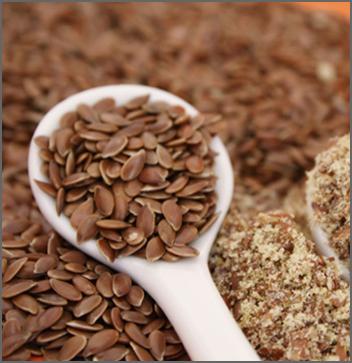
Flaxseed or flaxseed oil is a food product that contains ALA (alpha-linolenic acid). Flaxseed has a high content of fiber and may be used for constipation if taken with plenty of water. Flaxseed can reduce total cholesterol and LDL cholesterol, but has no effect on triglycerides. Dosing: 15-40 grams (~1 tablespoon 2-3 times daily) of freshly ground flaxseed or flaxseed oil daily for high cholesterol levels. Flaxseed may be prepared as ground, partially defatted, oil, or in bread and muffins. Ground flaxseed is typically recommended over the oil as it offers greater benefits than the oil. Freshly ground flaxseed should be kept in an airtight container and stored in the refrigerator up to three months. Adverse Effects: increased number of bowel movements, bloating, abdominal pain, diarrhea, constipation (if not taken with plenty of water), gas Drug Interactions: blood pressure lowering medications, medications used to treat diabetes, anticoagulant/antiplatelet medications (warfarin, aspirin, clopidogrel)
References: Natural Medicines, Food, Herbs & Supplements, Somerville, MA: Therapeutic Research Center; 11 May 2017. < http://naturaldatabase.therapeuticresearch.com/> National Institutes of Health Office of Dietary Supplements, National Institutes of Health. Dietary Supplement Fact Sheets. NIH; 2016. Flaxseed: is it as beneficial as fish oil? Pharmacist’s Letter/Prescriber’s Letter 2009; 25(7):250708.
If you have any other questions about supplements, vitamins, and minerals, don’t hesitate to contact us! -Kelsey
May is beef month so I thought it’d be fitting to talk about this powerhouse lean protein! Did you know that beef is 20% leaner than it was about 15 years ago? There are at least 29 cuts of lean beef which means they meet the government guidelines for lean, meaning each cut has less than 10g of total fat, less than 4.5 g of saturated fat, and less than 95mg of cholesterol (in a 3 oz serving). Lean beef is also a great source of multiple vitamins and minerals such as vitamin B12, selenium, zinc, niacin, vitamin B6, phosphorus, iron, and choline.
Here are some tips for you to make beef a part of your heart healthy meals:
• Look for key words such as “round” or “loin” …these are typically leaner cuts
• Choose 90% or greater lean beef. This means in a 3oz serving there is less than 5g of fat in it.
• Use healthy cooking methods such as grilling, broiling, baking, roasting, or braising. The less tender cuts can be marinated in a tenderizing marinade such as salsa or light Italian dressing.
• Trim the fat! Trimming the fat before cooking will help eliminate some of the fat from the cut.
• Cook with fresh ingredients such as lemon juice, peppers, onions, garlic, and herbs instead of adding extra fat to the cut.
• Practice portion control. Select the 3-5 oz serving over the 10oz. Balance is key to a healthy diet, so be sure to include your fruits and veggies and whole grains along with your lean meat to create a healthy plate.
All meat is required to have the nutrition content (label) posted by it in the grocery store. Be sure to use this when you’re selecting your cuts of meat and pay special attention to the total fat and saturated fat content. If you want to learn more about the benefits of beef and explore healthy recipes check out these websites: www.beefnutrition.org and www.beefitswhatsfordinner.com.