Summer time heat raises the risk for dehydration and heat stroke. With the high summer temps and humidity, it’s extra important to make sure you get enough fluids! It is important to stay hydrated throughout the day, as it is too late, if you wait to get a drink when you feel thirsty. Especially for those older adults, it takes longer for them to feel thirsty even though they may be severely dehydrated.
Tips for getting adequate fluids: • Keep a glass or bottle of water with you during the day so you can sip on it. Drink when you are thirsty and even when you are not thirsty.
• Drink more water instead of sugary beverages, milk and juice to avoid those extra hidden calories. Alcohol will increase your water loss. Plain water always works the best.
• Increase your fluid intakes if your diet is high in fiber, protein or salt.
• On days where you may be sweating alot or burning extra calories such as an all day softball tournament in 80-90 degree weather, or doing yardwork/landscaping in the heat all day…you may need to add electrolytes such as Gatorade or Powerade. I prefer G2 Gatorade as it’s lower in sugar, yet still has plenty of electrolytes.
**Please note, these drinks are not necessary when you’re doing less than an hour of light activity or more sedentary activities as they just add extra calories and sugar.
• Consult with your doctor or dietitian if you are on a fluid restricted diet and would like further help with your hydration needs. Use the above chart to determine your hydration level by the color of your urine.
Summer is well underway now! The kids are out of school and home more and they’re going to be eating more of the foods that you keep stocked for them at home. Active children burn through their energy stores very quickly and need to replenish them often. Snacking is an important part of keeping your kids energized for their play-filled summer days. Snacks should be a combination of fiber and protein so that they are filling and satisfying. Pistachios are a good snack as they contain both fiber and protein. You can also pick out two foods that will meet the fiber and protein combination needs.
Some ideas are: •An apple and a teaspoon of peanut butter •String cheese and a few whole wheat crackers •Baby carrots and hummus •Low-fat yogurt and almonds •Mixed nuts and raisins •Celery sticks filled with peanut or almond butter.
Just be sure to keep in mind that snacks are just to get by until the next mealtime, so snacks should not be a significant source of calories. Kids have small stomachs so keep the portion sizes small as well. This is a good time to instill healthy habits in your child so try to avoid having the TV or video games going during snack time in order to discourage mindless munching. Any fruit, vegetable, low-fat dairy product, or whole wheat grain product makes a good snack so find out what your child likes and get creative with the combinations!
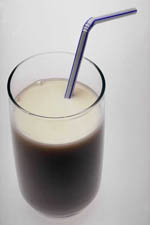
June is national dairy month, thus it’s a great time to recognize and discuss the benefits we can get from dairy in our diets. Cow’s milk is the richest source of well-absorbed calcium and is actually absorbed better (about 25%) than the calcium in soy milk. There is about 300 mg of calcium in an 8 oz serving of milk and we recommend getting at least 3 servings of dairy a day. A serving is equal to an 8oz (1 cup) serving of milk, 6 oz tub of yogurt, 1 oz cheese, 1/2 c cottage cheese. In addition to calcium, cow’s milk is an excellent source of phosphorus, vitamin B12, potassium, riboflavin, vitamin A, vitamin D, protein, and niacin…totalling 9 nutrients compared to only 4-5 nutrients found in soy and almond milk.
There are many other types of “milks” out there such as almond, rice, coconut, and soy, however these drinks are not the same as cow’s milk in regards to the nutritional qualities. Many of these milks use fortification (adding nutrients), whereas the nutrients are found naturally in cow’s milk. Below is a list from the Midwest Dairy Association about these beverage’s nutrient sources and nutrition quality (http://www.midwestdairy.com/0p335/dairy-imitators/)
“Soy beverages are made from soybeans and are a good source of protein. However, according to the Protein Digestibility Corrected Amino Acid Score (PDCAAS), soy protein is a lower quality protein than the whey protein found in dairy products. Rice-based beverages are generally processed from brown rice and are fortified with nutrients such as calcium and vitamin D. Rice beverages typically contain only one gram of protein compared to eight grams in cow’s milk. Nut-based beverages can be ground from any nut and the most popular is almond. Almond beverages only supply one gram of protein per serving and lack many of the natural benefits found in almonds. Seed-based beverages, such as hemp, are newer to the marketplace. Their nutritional benefit is touted to be their omega fatty acid content. Similar to the other beverages, they also fall short on protein.”
Often times, these other “milks” contain higher sugar content, less calcium, less protein, and are absorbed less than those benefits in cow’s milk. Now if you have a lactose intolerance or milk allergy, these are certainly options for you, however if you do not have an allergy or intolerance, I highly encourage you to work towards getting your 3 a day servings of dairy and preferably low fat dairy. It will not only provide you with excellent vitamins and minerals to keep your bones and muscles healthy and strong, it will also provide you with an excellent source of protein.
For more information on the benefits of dairy, you can visit www.midwestdairy.com.
I know I will enjoy a nice glass of cold milk tonight with supper, I hope you do too!
-Kelsey
The weather is finally getting warmer, days are getting longer, and school is out. Summer! This is the perfect time to improve your wellbeing and enjoy the season. Here are a few simple steps to boost your personal health this summer:
1. Berries Add a cup of mixed o fresh berries to your day – blackberries, blueberries, or strawberries. They will help you load up on antioxidants, which may help prevent damage to tissues and reduce the risks of age-related illnesses. Berries are also rich in fiber, which helps keep cholesterol low and may even help prevent some cancers.
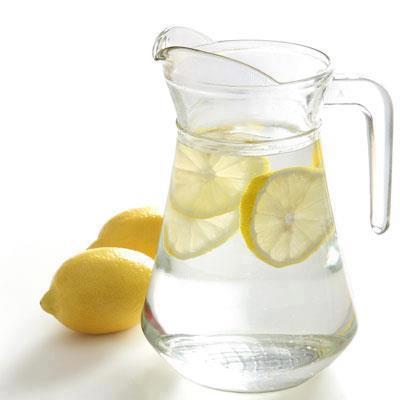
2. Fruit-Infused Water Tired of plain old water? Add some extra flavor by throwing in some fruit with your water! This is a healthier option than juices or energy drinks and adds tons of nutrients to staying hydrated in the summer heat. Some ideas: Orange-kiwi Raspberry-mint Blueberry-lime Lemon-cucumber Strawberry-basil
3. Get Outside To improve your stress level, get outside and plant a small garden, cultivate a flower box, or plant a few flower pots. Being outdoors can help create a positive attitude and boost your mental health. o Take advantage of the nice weather and pick an outdoor activity – going on a hike, taking a walk, playing games with your children – to get some physical activity.
Memorial Day is just a few days away and I am
guessing many of you have picnics and outdoor cooking/eating plans! Practicing
proper food safety is essential with summer outdoor cooking. Here are some easy
tips to make sure that you and your family have the safest and best picnics
possible this summer:
Safe food handling◦ Wash your hands before preparing your food and when dealing with meats and fresh produce. Try to limit cross-contamination by cleaning prep surfaces often. If you don’t have running water where you are, be sure to bring anti-bacterial wipes with.
•When putting your beautifully prepared food
in a basket make sure that you have utensils for raw food and cooked foods. If
you have uncooked meats like hamburger, chicken, etc., make sure that they are
packed in secure containers that won’t leak. Pack them together and at the
bottom of the cooler in case juice from the food leaks.
•One recommendation for properly cooked food would be a food thermometer. Make sure that your grilled foods reach a temperature of 145 degrees Fahrenheit for steaks, roasts, and chops, 160 degrees for ground meat and 15 degrees for poultry.
Chilling picnic foods
Keep food at or below 40 degrees F
◦Pack in insulated cooler with ice or ice packs
◦A filled cooler keeps cooler longer than a partially full cooler
◦Have meat thawed in the refrigerator before your put in the cooler
◦Wait until the last moment to put perishable food items in the cooler
◦If bringing food and drinks, try to keep drinks in separate cooler◾This will allow for less cool air to escape
when getting beverages from cooler
Keep cooler in the shade ◦If perishable food left out for more than two hours throw away. If it is especially warm (greater than 90 degrees F) throw away in one hour ◦Keep cooked food above 140 degrees
Most of all enjoy the fun times spent with
family and friends!