Why Exercise Alone Might Not Lead to Weight Loss: Exercise is an integral piece to the weight-loss puzzle, but it certainly doesn’t stand alone. Eating right is just as important for weight loss as exercise alone. The best weight-loss prescription, of course, is to do both—watch what you eat and exercise regularly. These tips can help you get maximum results from your hard work and diligence.
Level of exertion: Make sure that your exercise gets results by working at your ideal level of exertion. The best way to do this is to check your pulse against your maximum heart rate. You can calculate your maximum heart rate by subtracting your age from 220. You should have the ability to speak without gasping for air, but should work hard enough that you don’t really want to have to talk much. You will need to take in 500–1000 calories/day less than what you expend in order to lose 1–2 pounds/week.
Extra food: Avoid the tendency to eat extra food on days that you’ve exercised. Remember that all of those extra bites and spoonfuls can really add up.
Exercise routine: Doing the same exercise routine every day can lead to less energy expenditure over time, because you burn more calories when you’re first learning a routine. Interval training, such as walking fast for 2 minutes and then jogging or running for 30 seconds, is recommended to increase the number of calories burnt.
Sports drinks and supplements: Many sports drinks and bars contain nearly a meal’s worth of calories. They are more appropriate for a person who is running a marathon than for a person who is taking an aerobics class or going for a brisk walk.
Time vs intensity of workout: Rather than increasing the
length of time that you spend exercising, most experts agree that it can be
more beneficial to increase the intensity of your workout to promote weight
loss, while keeping the time spent the same or decreasing it.
If you are struggling with weight loss and need some extra help, please send
me an email or call! I would love to work with you and help you improve your
health and wellness!
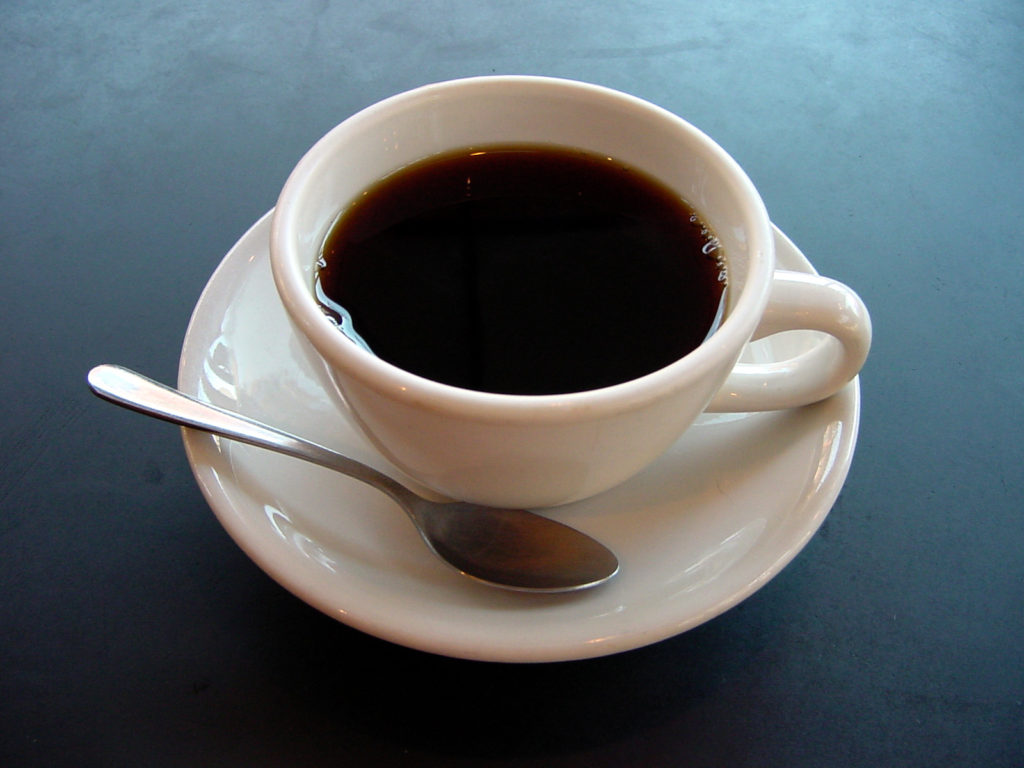
Many of us enjoy one or more cups of coffee each morning and although the caffeine and wake-up call it provides may be the motivating factor, perhaps some of the drink’s other benefits can play a role in your continued enjoyment of it! Coffee has been shown to help with brain function, perhaps prevent some diseases, and increase calcium intake when milk is added. Coffee also contains antioxidants and has anti-inflammatory properties as well. Important vitamins and minerals such as potassium, niacin, vitamin E and magnesium are also present in coffee. One thing to keep in mind about your morning pick-me-up may be to choose wisely. Some of the fancy coffee drinks found at popular coffee shops can also contain loads of sugar and fat, which may contribute empty calories to your daily intake. When choosing a coffee drink, choose low or non-fat drinks or plain coffee, or plain coffee with milk to ensure the most benefit from your coffee. During the hot summer months, enjoy cold-brew coffee or iced coffee as a seasonal way to reap these benefits! -Kelsey
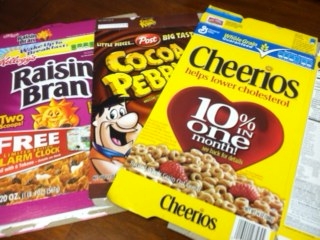
One of the most challenging aisles in the grocery store is the cereal and granola bar aisle as there are so many choices and it’s hard to know what’s good and what’s not! For those regular followers of our blog, you probably know by now that you should choose a whole grain cereal, but from there…how do you decipher which choice is better than another?!
Here are some tips to help you make a healthy choices:
• 8 grams (g) of sugar or less/serving, if the cereal contains 3 g or less of fiber/serving
• 16 g or less of sugar/serving, if the cereal contains 5 g or more of fiber/serving Note: raisin bran contains 20 g of sugar/serving and is the exception to the rule—still a great choice due to its higher fiber content)
• Instant hot cereals should contain no more than 100-150 milligrams (mg) of sodium/serving. A better choice is cooking oatmeal the old fashioned way on the stove from the canister as the instant packets have a lot of sodium.
In addition, be sure to fully read the nutrition facts label and not rely on the manufacturers marketing claims as they can often be misleading!
A way to make breakfast a more balanced meal is to add a source of protein and a serving of fruit to your meal. With the balance of protein, fiber found in your cereal, and some natural sugars, you are set to start your day off in a great way!
-Kelsey
Eating healthy on the go can seem difficult at times, however there are many things you can do to make it a little easier! Here are 4 tips that will save you time while still eating healthy nutritious food!
• Plan Ahead: On Saturday or Sunday, take a look at what your week ahead is going to be like. It can be very helpful to write out your schedule so you can see the times in your week where you may be on the go and extra busy. From there, decide on a few meals that would be easy to prep and that will provide you with energy for those busy days. Also, decide on some easy to grab snacks that you can keep with you. • Meal Prep: If you have looked at your week and you know you will not have time to cook for yourself, meal prep a few staple items that you can easily grab out of the fridge on your way out the door. This can be something as simple as brown rice, baked chicken, and a side of vegetables. A few breakfast ideas include overnight oats, protein balls, hardboiled eggs, and precut fruit that you can throw in a blender and make a smoothie with. Whatever your food choice may be, meal prepping can be a helpful way to prepare meals for a few days at a time.
• Prepare Extra Food: If meal prepping isn’t really your thing, it’s okay! Another easy way to save time is to prepare extra food when you do cook. If you have time to prepare a healthy dinner, make a few extra servings that you can save for lunch the next day.
• Snack Up: Having healthy snacks on hand will keep you from purchasing quick and unhealthy choices when life gets a little busy. A few good ideas include fresh fruit and vegetables, nuts, trail mix, cheese, pretzels and hummus, yogurt, and peanut butter on whole wheat bread.
• Hydrate: This last tip is so important! The last thing you want to happen when your busy is to become dehydrated. Keep water with you at all times and drink it throughout the day. You can always spice your water up by adding in fresh fruit or sipping on unsweetened iced tea.
Utilize a few of these tips to make healthy eating a little bit easier when you have a busy schedule or when you are on the go! Eating healthy and staying hydrated will provide you with the energy that you need to get through your day!
Mindful eating is a way of eating that promotes health, wellness, and peace, control, and balance with food. What is mindfulness? Mindfulness is being aware or conscious of whatever it is you are doing at that moment. It is being fully present. This may seem like an easy concept; however, I think many of us are eating and surrounding our food with very mindless actions and thoughts. What are you doing when you eat? Are you watching TV, driving, reading, or scrolling on your phone? All of these are examples of mindless eating. Even when you are cooking your food, are you paying attention to what you are doing or how you are cooking? Or are you again watching TV or talking on the phone? There are so many places we can incorporate mindfulness into the process of preparing and eating our food.
Benefits of Mindful Eating
• More satisfaction
• Less chance of overeating
• Acknowledge your internal body cues
• Avoid emotional eating
The benefits of mindful eating far out way not being mindful. When preparing your food, paying attention to how you are making it and all the time, energy, and love that goes into it can lead to a greater appreciation for the food. Having a greater appreciation for your food will hopefully lead to a greater appreciation for feeding your body the healthy food it deserves.
When actually eating your food, being mindful of each bite and chewing slowly will allow you to pay attention to your inner cues of being satisfied and stop you from overeating. You will also fully taste the food you spent your energy making and again, create a greater appreciation for the process.
Emotional Eating: Our emotions have a mind of their own and can lead us to do pretty crazy stuff. There have been many times that I chose to eat and eat and didn’t really know why I was eating and it all had to do with my emotions. When I took a step back and asked myself, “Why am I eating right now?”, it wasn’t because I was hungry but usually because I was upset. When I was able to recognize this, I could channel those emotions in a more positive way such as journaling or going for a walk.
Tips for Mindful Eating:
• Pay attention to how you are preparing your food and appreciate the time and energy spent on this.
• Sit down at a table to eat with no outside stimuli.
• Chew slowly- put down your silverware between bites.
• Drink water in between bites.
• Pay attention to your internal cues for when you are full and satisfied.
• Ask yourself, “Why am I eating right now?” or “Is this what my body needs right now?”
• Pay attention to your emotions while you are eating. If you are not even hungry but you continue to eat, slow down. Maybe take out a journal and write down your feelings. It sounds cheesy, but it works.
• Eat foods that are beneficial to your body’s wellbeing.
I hope some of these tips and tricks help you out with your mindful eating! It is hard at first to break certain habits surrounded by mindless eating, but I promise your body and mind will thank you. You may even be able to work through certain emotions and things -Kelsey