Spring STRIVE 2 Survive, our 12 week wellness program starts March 10th!! Details are below… contact us today to get your spot reserved for the spring session!
STRIVE 2 Survive: Over 20 years ago Dr. Dan Reiffenberger wrote a grant for the American College of Sports Medicine about the development of a fitness program entitled STRIVE to Survive. The STRIVE represents “Securing Time for Regular Involvement in a Variety of Exercise”. Since that time, it has become our Brown Clinic Wellness Program, with modifications and improvements along the way. It is a 12 week program incorporating exercise and nutrition, with the goal of continuing these types of habits for a lifetime. Our dietitian Kelsey Raml has helped incorporate the nutrition component and Dr. Clark Likness, Dr. Jon McAreavey, and Deidra Van Gilder, PharmD are also involved creating a multi-disciplinary approach to health and wellness. We hold the 12 week program periodically throughout the year. During the 12 weeks, we meet every other Tuesday at the Park and Rec Fieldhouse from 5:30-6:30pm. During the weeks we don’t meet, each participant gets a take home lesson focused on our two main components: diet and exercise. The meetings are held in a group atmosphere, but we can also work with you individually in the clinic if desired.
12 Weeks to a Better You! Brown’s Diet and Exercise Wellness Program. Who: – The Strive2Survive Wellness Program is open to everyone, young and old. – Conducted by Dr. Dan Reiffenberger, Board Certified in both Family Medicine and Sports Medicine and Registered Dietitian Kelsey Raml. What: – Lose Weight- Gain Strength – Maintain Fitness- Improve Diet. –
Evaluations: lab work- lipid and glucose, body composition testing-weight, height, BMI, body fat mass and percent, muscle mass…all pre and post the 12 week program. – Free T-shirt – 6 class lectures and 6 take home lessons.
Where: – Park & Rec Fieldhouse
When: March 10: “Healthy Eating Made Easy” Kelsey Raml, MS, RD, LN March 24: “Exercise for the Health of It” Dr. Dan Reiffenberger & Dr. Eric Woolley April 7: “A Walk thru the Wellness Wheel” Dr. Clark Likness April 21: “Medications…to do or not to do” Deidra VanGilder, PharmD May 5: “Your Equation to Success” Dr. Jon McAreavey “ May 21: “Making Health a Way of Life” STRIVE Team
Cost: – $130
To sign up: Call, e-mail or use the contact form for more information.
Iron is a mineral needed to make hemoglobin, which carries oxygen on red blood cells throughout the body. After picking up oxygen in the lungs, iron and hemoglobin carry it to muscles and other organs. Iron deficiency anemia occurs when there is not enough iron to maintain normal red blood cell activity. In order to prevent fatigue and weakness, it is important to build a diet that has a variety of foods with both heme and non-heme iron.
Heme iron is found in animal products
made from meat, poultry, and seafood. Heme iron is easily absorbed during
digestion and is the best source for iron-deficient individuals. Oysters,
clams, and animal liver provide excellent sources of heme iron, while meat
products like beef, shrimp, turkey, pork, and venison are considered good
sources.
Non-heme iron is mostly found in
plant-based foods, such as beans, lentils, spinach, soybeans, quinoa, broccoli,
and whole grain products. Including foods rich in vitamin C will improve
absorption of non-heme iron from these plant-based foods.
Know your labels:
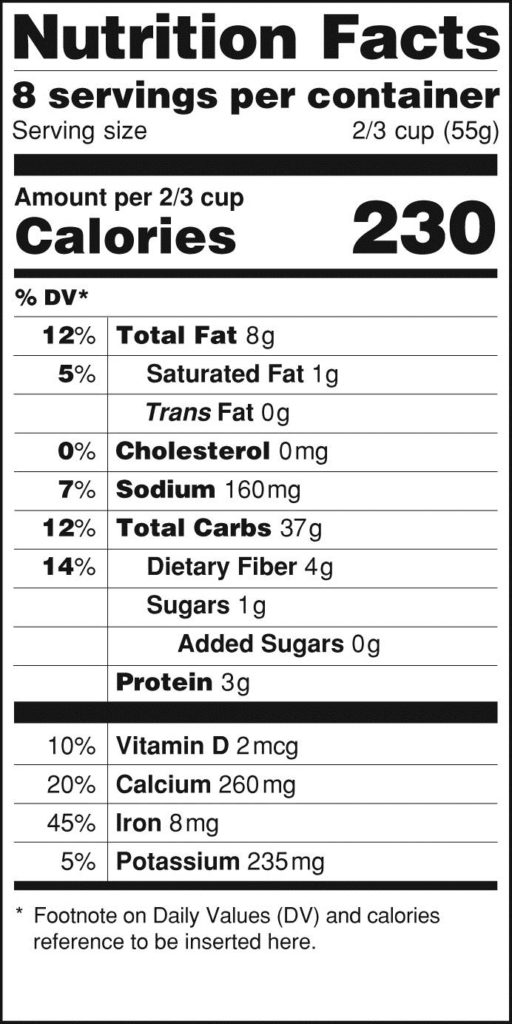
– Foods that provide at least 20% of the daily
value of Iron for a 2,000 calorie diet are considered to be an “excellent
source” of the important mineral
– A “good source” of iron has 10-19% of the
daily value
– Find out how much iron a product has by looking towards the bottom of the nutrition facts label.
Make sure you have healthy
options available for your family to pack for school! It is important that all
children reach their daily recommended number of servings for all food groups.
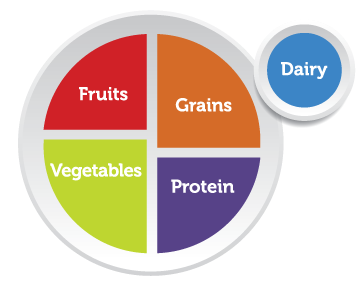
An easy way to create a balanced packed lunch is to follow MyPlate. It is
important that packed school lunches offer just as much nutrition as meals
served at home and offering foods from all of the food groups helps your child
develop and learn. Following MyPlate, you can see that packed lunches should
have servings of fruit, vegetables, dairy, whole grains, and a protein source.
Your child can also purchase a serving of milk from their school’s cafeteria.
Finally, offer healthier snacks like pretzels, yogurt-covered raisins, popcorn,
trail mix, and whole grain crackers with peanut butter.
Build your own school lunch by
choosing a 1 item from each food group below!
Fruit – Apple slices, grapes, berries, banana,
applesauce
Vegetables – Cucumber slices,
carrot sticks, cherry tomatoes, broccoli, celery sticks (pair with hummus,
peanut butter, or ranch dip!)
All carbohydrates are not created equal. Many foods
containing carbohydrates, such as fruit, vegetables, and whole grains, offer
important sources of vitamins, minerals, and fiber that help support good
health. However, many food manufacturers choose to sell products containing
excessive amounts of granulated sugar and high-fructose corn syrup because they
offer relatively low-cost and shelf-stable ingredient options.
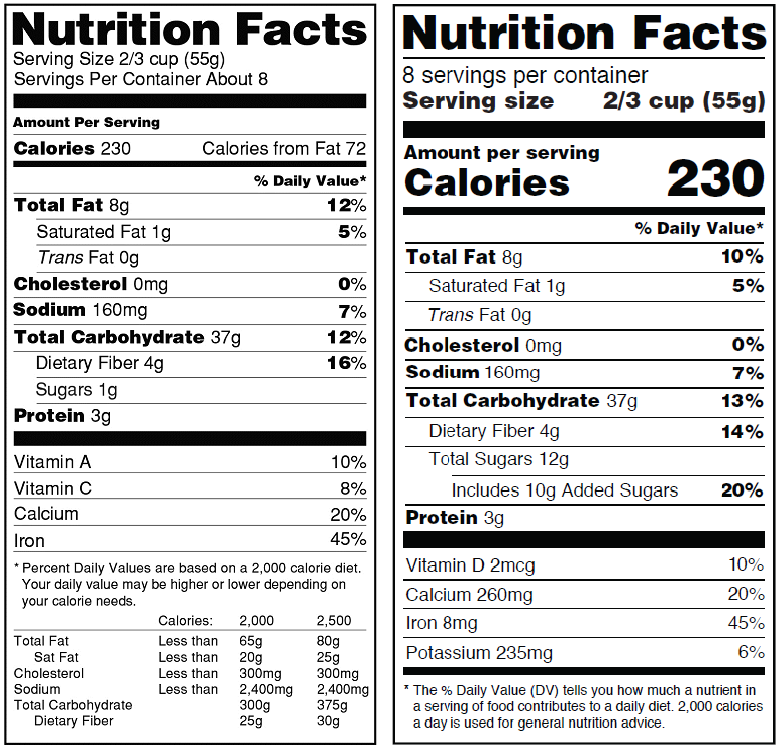
For many years, carbohydrates on food labels were all counted the same and there was no way for consumers to distinguish if the carbohydrates came from a wholesome source or from an added sugar ingredient with all of the calories but very little nutritional value. Starting in January 2020, the U.S. Food and Drug Administration (FDA) will require that food manufacturers begin listing the added sugar content on nutrition labels along with the overall carbohydrate content.
This small change to nutrition labels will significantly improve the customer’s ability to make more educated decisions when choosing foods at the grocery store. Clear labeling on food packaging is an important tool to help individuals meet the Dietary Guidelines recommendation to limit added sugar intake to no more than 10% of daily calorie needs. Monitoring consumption is important because research suggests excessive intake of added sugars can increase your risk of developing cardiovascular disease, diabetes, obesity, cognitive decline, and certain forms of cancer.
The new requirements for food labeling are an important step towards increasing customers’ ability to better understand the quality of the foods they purchase and how their diet choices will affect their health and weight status.