Sometimes we need a break from cooking and need to enjoy take out or now limited dining in. You can still make healthy and wise choices when dining out. Check out these tips to help you make good choices!
• Go for a smaller portion of the meal such as half of the meal, lunch portion, or appetizer size portion.
• Look for key words such as baked, broiled, grilled, or roasted. Stay away from descriptive words such as crispy, creamy, crunchy, and crispy as those typically mean fried and more fat added.
• Substitute the fries for a salad (dressing on the side and use sparingly) or if available a second serving of cooked veggies or fruit.
• If dining in, get a to-go box right away before you start eating and package half of your meal in the box and eat at another meal at home. If eating carry out, only take a portion of the meal on your plate and put the rest in the fridge. If it’s on your plate, you’ll be more apt to eat it, so put it away right away so you aren’t tempted and you are more apt to practice proper portion control.
• Share! It’s ok to share an entree with you friend, spouse, etc to help you practice better portion control.
• Look at the options ahead of time online or using your smart phone. Many restaurants have their nutrition information included in their websites or you can use the Calorie King app to explore the options and make a healthy choice when dining out.
• If eating out is a rare occurrence, it is ok to splurge, but keep in mind it should be a special occasion and only every once in awhile, not every day or every week as those extra calories will add up and cause weight gain quickly!
• To help balance out the extra calories consumed when eating out, be sure to get your activity in and engage in at least 30-60 minutes/day!
Our Doctor of Pharmacy, Deidra Van Gilder, PharmD covers the hot topic of supplements in our in our 12 week wellness program. She covered this topic for this week’s STRIVE lessons, so I thought it was fitting to cover on the blog too! Supplements are a hot topic and you may wonder what the professionals in the field recommend on this topic as there is a lot of information to be found on the internet.
The below information is from Deidra herself….hope it is helpful to you!
Fish oil contains two important components: DHA (docosahexaenoic acid) and EPA (eicosapentaenoic acid). Another substance called ALA (alpha-linolenic acid) may be as effective as DHA and EPA although it doesn’t have as much evidence for its use. ALA is the component of flaxseed that is thought to lower cholesterol. Fish oil is typically recommended for people with high triglyceride levels. Foods that contain Fish Oil: Anchovies, Catfish, Cod, Halibut, Herring, Mackerel, Tuna, Trout, Salmon, Sardines Uses: •There is strong evidence for the use of fish oil to lower triglycerides and increase HDL at doses of 2-4 grams daily. Be aware that it may increase LDL. •There is evidence to support the use of fish oil 1 gram daily for prevention of recurrent stroke or heart attack in patients with cardiovascular disease. •There is some evidence for the use of fish oil in rheumatoid arthritis to reduce morning stiffness and joint tenderness. It is the most beneficial when used with anti-inflammatory medications. Dose: 1 – 4 grams daily divided into twice daily dosing. The fish oil capsules may be stored in the freezer to decrease incidence of fishy burps and aftertaste. Adverse Effects: fishy aftertaste or fishy burps, heartburn, loose stools, nausea, upset stomach, alterations in glycemic control, increased risk of bleeding Drug Interactions: warfarin, aspirin, clopidogrel, oral contraceptives
Calcium is important for many functions of the body including bone and teeth health. Calcium is most commonly used for treatment and prevention of low calcium levels and osteoporosis. Foods that contain Calcium: milk, cheese, yogurt, dark green leafy vegetables, and calcium fortified foods or juices Recommended Dietary Allowance (RDA) for Calcium Men age 19-70 1000 mg/day Men age 71 & older 1200 mg/day Women age 19-50 1000 mg/day Women age 51 & older 1200 mg/day Dosing: Dosing for calcium supplementation is dependent on calcium intake from dietary sources. The preferred source of calcium is through the diet. The two most commonly used forms of calcium for supplementation are calcium carbonate and calcium citrate. Calcium carbonate (Tums) is well tolerated especially when taken with a meal. It is the calcium supplement of choice in patients with poor kidney function. Calcium citrate (Citracal) may be taken on an empty stomach, but should be avoided in people with poor kidney function. Calcium citrate is the recommended choice if elderly or people taking a PPI (proton pump inhibitor), antacid, or H2 blocker. The maximum amount of elemental calcium that the body can absorb at a time is about 500 mg. If doses higher than 500 mg are needed, separate the doses by 4 hours. Adverse Effects: constipation, bloating, stomach upset, gas, kidney stones Drug Interactions: PPI (omeprazole, esomeprazole), H2-blockers (famotidine, ranitidine), iron supplements, tetracycline antibiotics, quinolone antibiotics, bisphosphonates, phenytoin, and verapamil
Vitamin D helps the body maintain normal levels of calcium and phosphorus. Vitamin D is available in two forms, ergocalciferol (Vitamin D2) and cholecalciferol (Vitamin D3), both are considered equivalent. Vitamin D can be obtained from brief sun exposure, foods, and can also be found calcium supplements or multivitamins. Since vitamin D helps with calcium absorption, many supplemental products contain both calcium and vitamin D. Vitamin D is commonly used for treatment or prevention of vitamin D deficiency, osteoporosis, and preventing falls. There is also some evidence for the use of Vitamin D3 ointment for controlling skin cell growth in patients with psoriasis not responding to other therapies. Foods that contain Vitamin D: fish, eggs, fortified milk, cereals, salt water fish, cod liver oil Recommended Dietary Allowance (RDA) for Vitamin D Men & Women age 19-70 600 IU/day Men & Women age 71 & older 800 IU/day Dosing: Vitamin D supplemental dosing is dependent on current vitamin levels and intake. Dosing may range from 400 – 1,000 IU daily so it is important to talk to your physician about the proper dosage for you based on your vitamin D level. Adverse Effects: Generally well tolerated, nausea, high calcium levels, anemia Drug Interactions: atorvastatin, digoxin, thiazides, verapamil
Flaxseed or flaxseed oil is a food product that contains ALA (alpha-linolenic acid). Flaxseed has a high content of fiber and may be used for constipation if taken with plenty of water. Flaxseed can reduce total cholesterol and LDL cholesterol, but has no effect on triglycerides. Dosing: 15-40 grams (~1 tablespoon 2-3 times daily) of freshly ground flaxseed or flaxseed oil daily for high cholesterol levels. Flaxseed may be prepared as ground, partially defatted, oil, or in bread and muffins. Ground flaxseed is typically recommended over the oil as it offers greater benefits than the oil. Freshly ground flaxseed should be kept in an airtight container and stored in the refrigerator up to three months. Adverse Effects: increased number of bowel movements, bloating, abdominal pain, diarrhea, constipation (if not taken with plenty of water), gas Drug Interactions: blood pressure lowering medications, medications used to treat diabetes, anticoagulant/antiplatelet medications (warfarin, aspirin, clopidogrel)
References: Natural Medicines, Food, Herbs & Supplements, Somerville, MA: Therapeutic Research Center; 11 May 2017. < http://naturaldatabase.therapeuticresearch.com/> National Institutes of Health Office of Dietary Supplements, National Institutes of Health. Dietary Supplement Fact Sheets. NIH; 2016. Flaxseed: is it as beneficial as fish oil? Pharmacist’s Letter/Prescriber’s Letter 2009; 25(7):250708.
If you have any other questions about supplements, vitamins, and minerals, don’t hesitate to contact us! -Kelsey
Carson meeting a baby calf for the first time this winter! Big Brother Corbin was excited to show him the ropes in the barn!
May is National Beef Month so I thought it’d be fitting to talk about this powerhouse lean protein! In addition, today is Cinco de Mayo and Taco Tuesday so a fitting day to discuss hamburger which you use for your taco meat!! As many of you know, my husband Adam raises beef cattle with his dad and brother. Our sons are the 6th generation of Raml Cattle. Cattle and ranching aren’t just their jobs, it is truly their passion and they do anything in their power to make sure their cattle are healthy and well to produce a top notch protein on your plate. Ranching and farming are not easy in today’s world, but we are blessed to be able to raise our boys on the ranch and show them how hard work, perseverance, and passion can pay off.
Now you may think I am just bias, but science doesn’t lie–I’m putting on my nutrition hat now and want to share how lean red meat can be included in a heart healthy diet! Did you know that beef is 20% leaner than it was about 15 years ago? There are at least 29 cuts of lean beef which means they meet the government guidelines for lean, meaning each cut has less than 10g of total fat, less than 4.5 g of saturated fat, and less than 95mg of cholesterol (in a 3 oz serving). Lean beef is also a great source of multiple vitamins and minerals such as vitamin B12, selenium, zinc, niacin, vitamin B6, phosphorus, iron, and choline.
Here are some tips for you to make beef a part of your heart healthy meals:
• Look for key words such as “round” or “loin” …these are typically leaner cuts.
• Choose 90% or greater lean beef. This means in a 3oz serving there is less than 5g of fat in it.
• Use healthy cooking methods such as grilling, broiling, baking, roasting, or braising. The less tender cuts can be marinated in a tenderizing marinade such as salsa or light Italian dressing.
• Trim the fat! Trimming the fat before cooking will help eliminate some of the fat from the cut.
• Cook with fresh ingredients such as lemon juice, peppers, onions, garlic, and herbs instead of adding extra fat to the cut.
• Practice portion control. Select the 3-5 oz serving over the 10oz. Balance is key to a healthy diet, so be sure to include your fruits and veggies and whole grains along with your lean meat to create a healthy plate.
• All meat is required to have the nutrition content (label) posted by it in the grocery store. Be sure to use this when you’re selecting your cuts of meat and pay special attention to the total fat and saturated fat content.
Right now with meat shortages in the grocery stores, it’s a perfect time to check out your local ranchers and buy their meat. You know where it comes from and it’s an excellent and nutritious power packed protein for you and your family!
If you want to learn more about the benefits of beef and explore healthy recipes check out these websites: www.beefnutrition.org and www.beefitswhatsfordinner.com.
Below are some of my favorite pictures of our world on the ranch.
Eat beef, it’s what’s for dinner!
Kelsey
Corbin checking out the show calves.
Corbin loves the baby calves! He enjoyed a break from working cattle with this little one last summer.
Tough guy ready to work those calves. 🙂
Helped his dad deliver twins this spring!Adam giving the cows some mineral. We like happy, healthy cows!Learning the ropes from dad at the Black Hills Stock Show. This baby’s mom won the Black Hills Stock Show Champion Angus and Supreme Row.
Inflammation is an important part of
our immune system’s response to injury and infection. It is our bodies way of
signaling the immune system to defend, heal, or repair itself against possible
infection or bacteria. Without inflammation as a physiological response, our
body would not heal properly, and many conditions would be deadly.
That being said, if our inflammatory
process goes on longer than needed or if it occurs in unnecessary places,
inflammation suddenly becomes an issue. Chronic inflammation has been linked to
the development of numerous diseases and health conditions.
Your diet and lifestyle habits can contribute to your bodies inflammation. It’s important to maintain a healthy lifestyle to keep inflammation in check.
Starches, Fruits, Vegetables
Choose whole-grain starches, fresh whole fruits and vegetables.
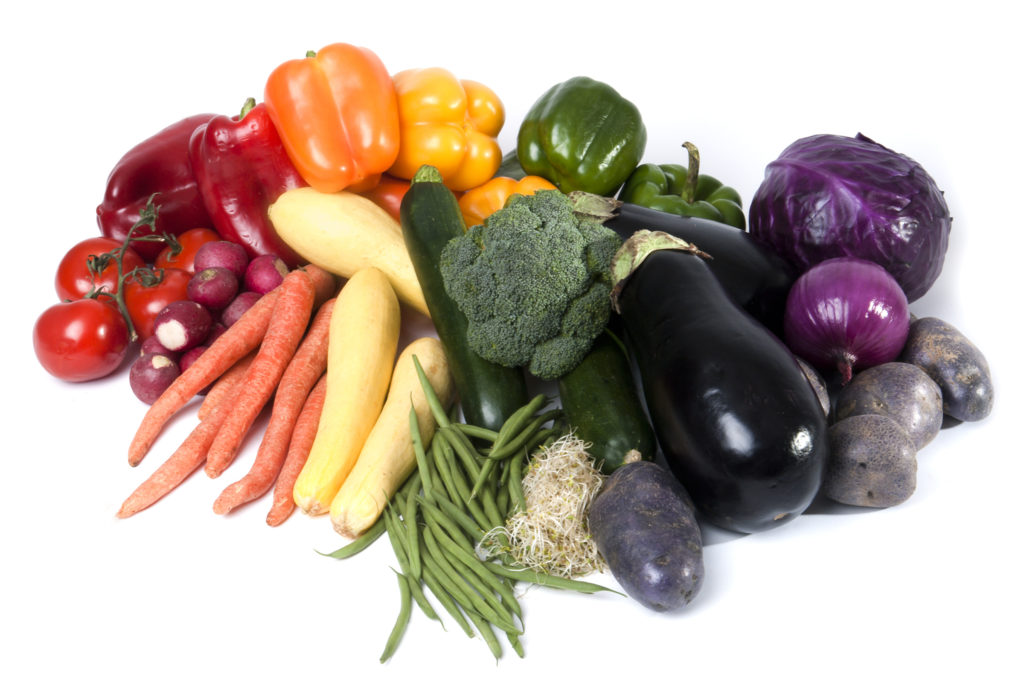
Consume a variety of colorful fruits and vegetables.
Limit refined starches (white versions) and added sugars (white or brown sugar, soda, energy drinks).
Meats
Limit high-fat red meat such as prime rib, bacon and sausage, as well as processed meats (ex: bologna, salami and hot dogs). These are higher in saturated fat, which if consumed in excess can increase inflammation.
Choose skinless poultry, fish, eggs, legumes.
Fat
Limit saturated fat. This includes butter, whole milk, cheese, high-fat red meat and skin on poultry. Our bodies only require a small amount so excess intake will increase inflammatory risk.
Be very cautious or avoid trans-fat altogether (ex: prepackaged baked goods, flavored coffee creams).
Choose monounsaturated and omega-3 fats, these are thought to neutralize inflammation. Found in olive oil, avocados and nuts.
Omega-3 fatty acids are found in salmon and tuna, walnuts, and ground flaxseed. Omega-3 is an essential fat that our bodies cannot make. We must obtain it from dietary sources or supplements.
Other suggestions
Flavor food with spices and herbs that have antioxidant properties such as garlic, green herbs, ginger, and turmeric.
Moderation in all areas, excess of any food (even if it has anti-inflammatory properties) is not a good thing.
An exact and strict diet plan for a patient with chronic inflammation is still lacking but we do know general healthy eating suggestions that help produce anti-inflammatory results over time. The suggestions above will come as no surprise, as it is information we have all heard numerous times. The key is to adapt these suggestions into your daily lifestyle.
• Plan meals around fresh produce, lean proteins, and low fat dairy items that are on sale and utilize sales and coupons. Check store flyers and coupons for additional savings. Compare brands to choose the lowest price. Once you’ve identified the sale items, incorporate them into simple meals—baked, grilled, or broiled meats and fish, add veggies (frozen or canned…or fresh if on sale), and whole grains (brown/wild rice, whole grain noodles, etc…or even a potato—which is cost effective).
• Create a shopping list and weekly eating plan and stick to it! Prioritize your food dollars with nutrient rich choices. Prepare your meals with similar ingredients to keep your grocery list minimized. Skip highly processed and packaged foods. They are not so healthy and can add up in spending.
• Choose low-cost recipes and meals. Recipes with fewer ingredients are often cheaper and quick to make.
• Shop fruits and veggies in season—seasonal produce is at its peak flavor and typically sold at a lower price.
• Canned and frozen fruits and veggies can be just as nutritious and offer an alternative to fresh in regards to being more budget friendly. Be sure to check the ingredients and label to avoid items with high or added sugars or salt.
• Meat, chicken, and fish are often the highest dollar ingredient in a recipe. Consider buying a larger quantity of meat that is on sale and preparing extra for a few meals. You can also incorporate more non-meat proteins into meals such as beans, nuts, and eggs.
• Save leftovers! Freeze them for a later date. Or, keep them in the fridge and eat within a few days.
• You can also double a recipe so you’ll have extra for easy meals later that week.
• Reduce waste- make the most of your food spending by cutting down on waste. Plan to use highly perishable items first and save more hearty items for later in the week. Incorporate this into your planning!
Tips: Low-Cost Healthy Cooking
• For canned veggies and beans, drain and rinse them before using.
• For frozen veggies, use those without added sauces.
• For canned fruit, drain and rinse it if canned in syrup.
• For frozen fruit, make sure it has no added sugar by checking the ingredient list.
• Cook with less processed grains like regular oats and rice. They cost less than the instant type.
• Drink water with meals instead of buying soda and alcohol.
• For beef, cook with chuck or bottom round roast. These cuts have less fat and cost less. They need to be covered during cooking and cooked longer to make the meat tender.
• When cooking ground meat, drain and rinse it under hot water after cooking.