by kelsey | Feb 12, 2013 | Cooking Tips, Diet, Heart Health, Weight Management, Wellness/Health
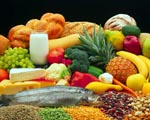
In celebration of National Heart Month I cannot resist reminding you about the significance diet and activity play in promoting a healthy heart. Heart disease is the number one killer of Americans and affects both men and women. Genetics do play a role, however a heart healthy diet and and regular activity can help minimize the effects and complications of heart disease. Whether you have heart disease in your family or not, it’s still good to follow a heart healthy eating plan. Highlights of the diet include:
- Lots of fruits and veggies! I’m sure you already knew this one, but the benefits of getting your 5 a day servings of fruits and veggies are worth reminding you again. Most of us know this, the hard part is doing it. Try adding them to your meals, have fruit as a snack, get a double serving to help you reach this goal.
- Fiber! Fiber is very beneficial in combating heart disease. Incorporating more whole grains (and fruits, veggies, and beans/lentils) into your diet will increase your fiber and aid in heart health. Oatmeal, brown rice, wild rice, whole grain noodles, whole grain breads, and even popcorn are considered whole grains. Aim to get at least 25-35 g/day.
- Choose lean proteins. Decreasing the amount of saturated fat in your diet will help reduce plaque buildup. Choose white meat poultry without the skin, 90% or greater lean hamburger, fish, beans, etc….stay away from processed meats! Fatty fish such as salmon, tuna, herring, and trout offer additional benefits as they are loaded with healthy omega 3 fatty acids.
- Choose healthy fats. Incorporating more plant fats such as canola oil and olive oil into your diet and reducing your intake of saturated and trans fats has been shown to improve heart health. You want to choose foods that are lower than 5-8g of total fat per serving and <3g saturated and trans fat per serving. Choosing low fat dairy products will help reduce the amount of saturated fat in your diet as well.
- Hold the salt! Excess sodium can increase blood pressure and cause heart failure. Aim to keep your sodium intake below 2400mg/day. You can do this by doing more home cooking, avoiding boxed or packaged goods, cooking with salt free seasonings, and not using table salt.
- Exercise! At least 30 minutes of exercise a day has been shown to improve heart health. If you can do more, the better!
Making small changes or substitutions will help you have a healthier heart and reduce risk for disease. Reading labels is really essential to help you make good choices, so take some time in the grocery store and really examine the products to ensure you’re making healthy choices!
-Kelsey
by kelsey | Feb 7, 2013 | Weight Management

Since it’s Farm Show week here in Watertown, I decided to focus my blog topic today on the challenges farmers and ranchers face to stay well. Many of my patients are farmers and ranchers and much of our consultations are spent discussing ways to eat healthier and exercise with their lifestyle. This is also a frequent conversation in my own household as Adam, my husband, is a farmer and rancher. The picture above is from a few months ago when I helped move the cattle home. I enjoy helping and being in a warm pickup tailing the group makes it more enjoyable…unlike the guys who are on 4-wheelers and bundled up!
Farmers and ranchers spend their days in the fields, working with their cattle or livestock, fixing equipment, etc…all essential parts of their contribution to the food chain. They work hard and long days to help put food on our tables. Many are typically up before the sunrise and come into the house after the sun sets….which greatly affects their eating and exercise habits. Their workload has changed over the years due to technology and many are not getting as much activity as they once did…however they still may be putting in long days, thus the last thing on their list is a jog or bike ride. In addition, many eat supper late and go right to bed or sit in the chair watching tv the rest of the night. It truly is a challenge to practice healthy eating habits and get regular activity, however it is essential to build this into your lifestyle!
Adam gets to listen to my pep talks of eating healthy and exercising regularly (I’m sure he blocks me out sometimes as I probably sound like a broken record!). He was asked last week how he does it living with me being a dietitian and his response was “we compromise” ….and he’s exactly right…we compromise with foods, meals, activity, etc in order to practice healthy habits with our chosen lifestyle. The first step is understanding the importance of wellness and making a commitment to adjust your lifestyle to be healthier. The second step is figuring out what changes need to be made to help you do this.
Farmers and ranchers typically are no too thrilled about going to a gym to exercise because they live in the country and it’s just one more thing to do, so having a few pieces of equipment at home or using your driveway or road as your gym becomes more convenient. We recommend at least 30 minutes of moderate exercise a day but it may be more convenient to split that up until 10 minute increments: 10 minute walk in the am, 10 minute walk at noon, and 10 minute walk before supper….there’s your 30 minutes right there! We have a treadmill and a bike in our home that makes it more convenient to exercise. In the summer, I prefer to jog outside as there’s nothing better than wide open spaces and a gravel road to clear my mind while staying fit.
In regards to eating habits, I recommend to follow a balanced diet with healthy choices. An afternoon snack or “lunch” as Adam calls it is very important! It will help you not be as hungry for supper time which will result in you not eating as much before bed. Practicing mindful eating is also helpful….think about how hungry you are and recognize when you are full. Eating fast and not paying attention to your hunger cues typically results in overeating.
Most of all, focus on a few things at a time. When you tackle it all at once, it’s hard to stay focused and motivated and typically results in giving up. Baby steps will add up to big steps in the end! Incorporating healthy eating and activity will give you more energy to get through the day while promoting health and longevity.
There was a recent article posted in the USA Today about this topic and one of our very own SD dietitians is quoted so be sure to check it out!
http://www.usatoday.com/story/news/nation/2013/02/02/farmers-weight-gain/1884589/
Also- this topic was targeted towards farmers and ranchers but really applies to all who have a busy lifestyle!
Motivation is what gets you started, habit is what keeps you going!
-Kelsey
by kelsey | Feb 6, 2013 | Cooking Tips, Diet, Food, Weight Management

We had some excellent treats last night at STRIVE 2 Survive thanks to County Fair Foods. Both are very tasty and healthy! Be sure to give these a try!
Angel Lush (above picture)
1 can (20 oz) crushed pineapple in juice, undrained
1 pkg (1 oz) vanilla fat free/sugar free instant pudding
1 c thawed lite cool whip topping
1 pkg (10 oz) round angel food cake cut into three layers
10 small fresh strawberries
Mix pineapple and dry pudding mix. Gently stir in cool whip. Stack cake layers on plate, spreading pudding mixture between layers and on top of cake. Refrigerate for one hour. Top with berries.
Chicken Veggie Wrap
Garden vegetable wraps
Cooked chicken breast
Garden vegetable 1/3 less fat cream cheese
Cucumbers
Tomatoes
Bell Peppers
Alfalfa sprouts
Lettuce
Dice chicken and vegetables. Spread cream cheese on wrap. Layer chicken and vegetables. Roll, slice, and enjoy!

by kelsey | Jan 31, 2013 | Cooking Tips, Food, Weight Management, Winter

The weather is making headlines today as we woke up to -40-50 below with wind chill. It’s very hard to get motivated to do anything on days like today as we’d rather just curl up in a blanket in our sweatpants and watch a movie. Even though we may feel like being a bum, it’s still a good time to get a little workout in which will help raise your body temperature and give you more energy throughout the day. We also typically eat more soups, stews, and hot-dishes on days like this. If you are watching your waist line, it’s important to be careful of how much you consume of these foods as they can be high in calories, fat, and carbs… depending on how you prepare them. Broth based soups and stews are lower in calories and fat than cream based. In addition, if you’re making a hot dish, you may consider cutting calories by choosing fat free soups to add to your dish, such as fat free cream of chicken or mushroom soup. They also have low sodium varieties of these so if you’re watching your blood pressure or sodium intake, you may consider using this variety. And, as always, be sure to incorporate your lean proteins and plenty of fruits and veggies to your meal. Two of my favorite cold weather meals are my mom’s beef stew that has carrots, peas, potatoes, onion, and roast meat and her chicken noodle soup that also has plenty of veggies with white meat chicken. Nothing beats either of these on a cold winter day!
If you venture out today, be sure to dress appropriately and cover up!
-Kelsey
by kelsey | Jan 30, 2013 | Diet, Food, Weight Management, Wellness/Health
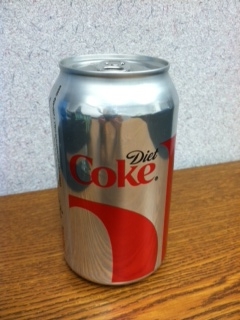
Do you ever feel like you just don’t have any energy or can’t get your steam up to get that list done? I’m sure most of us have felt this way before! Many people turn to caffeine to help give them a boost…and that caffeine is found in a variety of sources from coffee, tea, pop, to energy drinks. Energy drinks have gotten very popular over the last few years and are more prominent in the younger generation. Recently, the FDA has cracked down on makers and suppliers of energy drinks as there have been several reports of adverse affects including 18 deaths related to consumption of energy drinks. Energy drinks have a lot of sugar and caffeine. Caffeine can act as a stimulant and cause a variety of adverse effects, which is why we recommend limiting your caffeine to 200-300mg a day. To put this in perspective, this would be equivalent to 2-4 cups of coffee. A can of Diet Coke has about 42 mg, Mtn Dew has about 55 mg, a latte about 150 mg, and a cup of green tea has about 24-40 mg. The energy drinks have have a lot more than these options. For example, Rockstar drinks can range from 80-240mg depending on the kind, a Red Bull has about 75-80 mg, 5 hr Energy has about 215-240 mg of caffeine.
Many times, a person may have a combination of an energy drinks and other caffeine sources such as coffee or pop, thus making their total consumption of caffeine very high. I encourage you to reflect on the amount of caffeine you take in and if you are getting over the 200-300 mg/day, you may consider switching to decaf or caffeine free products. If you are using caffeine to keep you awake, you may consider reflecting on your sleep habits as well and work at improving them to keep you more alert during the day! For more information on energy drinks and caffeine content, click the link for a complete list from the Natural Medicines Comprehensive Database: http://naturaldatabase.therapeuticresearch.com/ce/ceCourse.aspx?cs=&referer=EUPDATE201301&utm_source=default&utm_campaign=eupdate&pm=5&pc=13-900&utm_content=block1link5&utm_medium=012013eupdate.
-Kelsey
