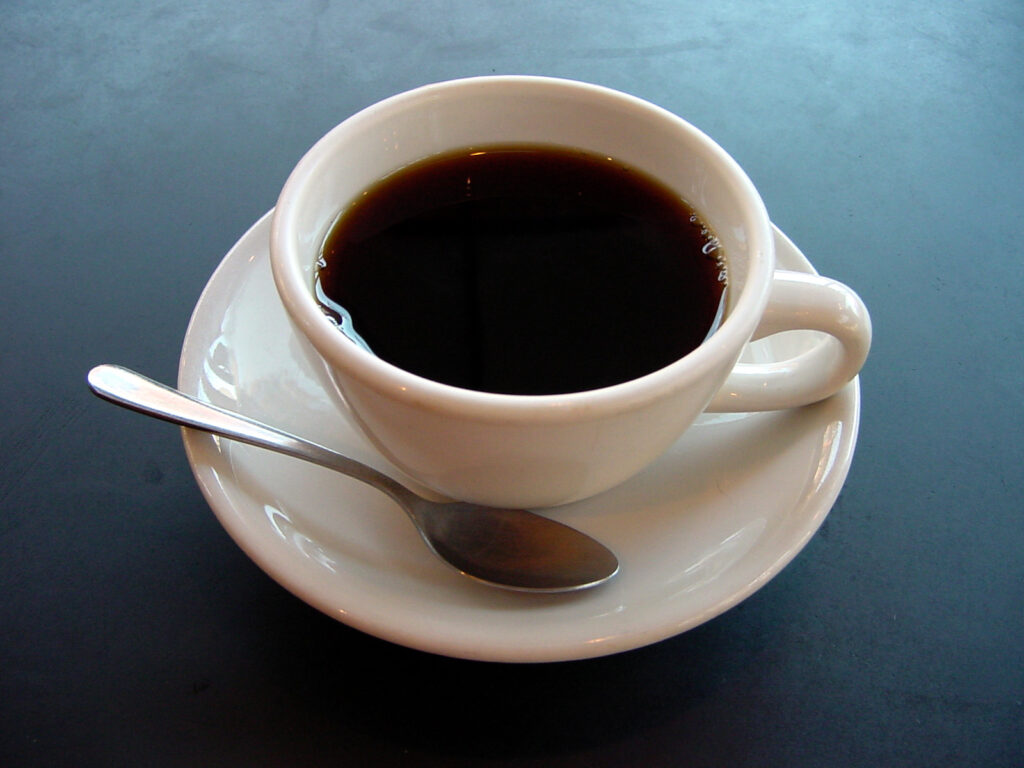
Many of us enjoy one or more cups of coffee each morning and although the caffeine and wake-up call it provides may be the motivating factor, perhaps some of the drink’s other benefits can play a role in your continued enjoyment of it! Coffee has been shown to help with brain function, perhaps prevent some diseases, and increase calcium intake when milk is added. Coffee also contains antioxidants and has anti-inflammatory properties as well. Important vitamins and minerals such as potassium, niacin, vitamin E and magnesium are also present in coffee. One thing to keep in mind about your morning pick-me-up may be to choose wisely. Some of the fancy coffee drinks found at popular coffee shops can also contain loads of sugar and fat, which may contribute empty calories to your daily intake. When choosing a coffee drink, choose low or non-fat drinks or plain coffee, or plain coffee with milk to ensure the most benefit from your coffee. During the hot summer months, enjoy cold-brew coffee or iced coffee as a seasonal way to reap these benefits! -Kelsey
Have you ever wondered how you can enjoy a sweet treat without all of the added calories?! Here are a few ideas for you:
•Mix flavored yogurt or plain yogurt honey and your favorite fruit.
• Angel food cake with berries.
•Drizzle a bit of honey over mixed melon balls.
•Blend bananas and strawberries, freeze into cubes, and eat like ice cream.
•Sauté or bake 1/2 banana and sprinkle with 1 tablespoon chopped nuts.
•Take three of your favorite kinds of berries; cook half of them with just enough water to prevent burning. Cool and stir in remaining berries. Portion 1/2 cup of the berry compote with 1 tablespoon of your favorite vanilla ice cream.
•Try making your favorite flavor of sugar free pudding with low-fat milk. •If it’s ice cream that you really want- skip the scoop-yourself containers and buy single-serving novelty treats such as fudgesicles, creamsicles, even chocolate-covered ice cream bars. You’re more likely to limit your portions if they already come in a single serving
Mindful eating is a way of eating that promotes health, wellness, and peace, control, and balance with food. What is mindfulness? Mindfulness is being aware or conscious of whatever it is you are doing at that moment. It is being fully present. This may seem like an easy concept; however, I think many of us are eating and surrounding our food with very mindless actions and thoughts. What are you doing when you eat? Are you watching TV, driving, reading, or scrolling on your phone? All of these are examples of mindless eating. Even when you are cooking your food, are you paying attention to what you are doing or how you are cooking? Or are you again watching TV or talking on the phone? There are so many places we can incorporate mindfulness into the process of preparing and eating our food.
Benefits of Mindful Eating
• More satisfaction
• Less chance of overeating
• Acknowledge your internal body cues
• Avoid emotional eating The benefits of mindful eating far out way not being mindful.
When preparing your food, paying attention to how you are making it and all the time, energy, and love that goes into it can lead to a greater appreciation for the food. Having a greater appreciation for your food will hopefully lead to a greater appreciation for feeding your body the healthy food it deserves. When actually eating your food, being mindful of each bite and chewing slowly will allow you to pay attention to your inner cues of being satisfied and stop you from overeating. You will also fully taste the food you spent your energy making and again, create a greater appreciation for the process.
Tips for Mindful Eating:
• Pay attention to how you are preparing your food and appreciate the time and energy spent on this.
• Sit down at a table to eat with no outside stimuli.
• Chew slowly- put down your silverware between bites.
• Drink water in between bites.
• Pay attention to your internal cues for when you are full and satisfied.
• Ask yourself, “Why am I eating right now?” or “Is this what my body needs right now?”
• Pay attention to your emotions while you are eating. If you are not even hungry but you continue to eat, slow down. Maybe take out a journal and write down your feelings. It sounds cheesy, but it works.
• Eat foods that are beneficial to your body’s wellbeing.
I hope some of these tips and tricks help you out with your mindful eating! It is hard at first to break certain habits surrounded by mindless eating, but I promise your body and mind will thank you. You may even be able to work through certain emotions and things -Kelsey
One of the most challenging aisles in the grocery store is the cereal and granola bar aisle as there are so many choices and it’s hard to know what’s good and what’s not! For those regular followers of our blog, you probably know by now that you should choose a whole grain cereal, but from there…how do you decipher which choice is better than another?!
Here are some tips to help you make a healthy choices:
• 8 grams (g) of sugar or less/serving, if the cereal contains 3 g or less of fiber/serving
• 16 g or less of sugar/serving, if the cereal contains 5 g or more of fiber/serving Note: raisin bran contains 20 g of sugar/serving and is the exception to the rule—still a great choice due to its higher fiber content)
• Instant hot cereals should contain no more than 100-150 milligrams (mg) of sodium/serving. A better choice is cooking oatmeal the old fashioned way on the stove from the canister as the instant packets have a lot of sodium.
In addition, be sure to fully read the nutrition facts label and not rely on the manufacturers marketing claims as they can often be misleading! A way to make breakfast a more balanced meal is to add a source of protein and a serving of fruit to your meal. With the balance of protein, fiber found in your cereal, and some natural sugars, you are set to start your day off in a great way! -Kelsey
Summer time heat raises the risk for dehydration and heat stroke. With the high summer temps and humidity, it’s extra important to make sure you get enough fluids! It is important to stay hydrated throughout the day, as it is too late, if you wait to get a drink when you feel thirsty. Especially for those older adults, it takes longer for them to feel thirsty even though they may be severely dehydrated.
Tips for getting adequate fluids:
• Keep a glass or bottle of water with you during the day so you can sip on it. Drink when you are thirsty and even when you are not thirsty.
• Drink more water instead of sugary beverages, milk and juice to avoid those extra hidden calories. Alcohol will increase your water loss. Plain water always works the best.
• Increase your fluid intakes if your diet is high in fiber, protein or salt.
• On days where you may be sweating alot or burning extra calories such as an all day softball tournament in 80-90 degree weather, or doing yardwork/landscaping in the heat all day…you may need to add electrolytes such as Gatorade or Powerade. I prefer G2 Gatorade as it’s lower in sugar, yet still has plenty of electrolytes. **Please note, these drinks are not necessary when you’re doing less than an hour of light activity or more sedentary activities as they just add extra calories and sugar.
• Consult with your doctor or dietitian if you are on a fluid restricted diet and would like further help with your hydration needs. Use the above chart to determine your hydration level by the color of your urine.