by kelsey | May 1, 2014 | Wellness/Health
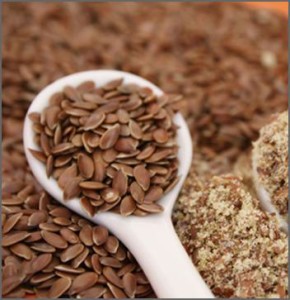
Today’s post covers the second part of reader Linda’s question about supplements. What is recommended, how much, etc. Our Doctor of Pharmacy, Deidra Van Gilder, Pharm D covers this topic in our 12 week program, so the following information is from the expert herself!
Fish Oil
Fish oil contains two important components: DHA (docosahexaenoic acid) and EPA (eicosapentaenoic acid). Another substance called ALA (alpha-linolenic acid) may be as effective as DHA and EPA although it doesn’t have as much evidence for its use. ALA is the component of flax seed that is thought to lower cholesterol. Typically recommended for people with high triglycerides.
Foods that contain Fish Oil: Anchovies, Carp, Catfish,Halibut, Herring, Salmon, Albacore Tuna
- There is strong evidence for the use of fish oil to reduce blood pressure. DHA has more benefit in lowering blood pressure than EPA.
- There is strong evidence for the use of fish oil to lower triglycerides and increase HDL. Be aware that it may increase LDL.
- There is strong evidence for the use of fish oil in primary and secondary cardiovascular disease prevention.
- There is some evidence for the use of fish oil in rheumatoid arthritis to reduce morning stiffness and joint tenderness. It is the most beneficial when used in conjunction with anti-inflammatory medications.
Dose:1000 – 4000 mg daily (Use divided dosing in increments of 1000 mg as that is all that can be absorbed at a time). Keep medicine in freezer to avoid burping fishy taste. Each capsule should contain at least 1g of DHA and EPA combination.
Adverse Effects: GI upset, loose stools, nausea, alterations in glycemic control, hypotension
Interactions: Warfarin, aspirin, clopidogrel
Calcium
Calcium is important for bone health. It is not produced by the body.
Foods that contain Calcium:Dairy Products, Salmon, Dark Green Leafy Vegetables, Sardines, Calcium Fortified Foods
Recommended Dietary Allowance (RDA) for Calcium
Men age 19-70: 1000 mg
Men age 71 & older: 1200 mg
Women age 19-50: 1000 mg
Women age 51 & older: 1200 mg
The two most commonly used forms of calcium for supplementation are calcium carbonate and calcium citrate. Calcium carbonate is well tolerated especially when taken with a meal. It is the calcium supplement of choice in poor renal function. Calcium citrate may be taken on an empty stomach. It should be avoided in poor kidney function. Calcium citrate is the recommended choice if patient is taking a PPI or other medication to increase the gastric pH.
Adverse Effects: Upset stomach
Interactions: Tetracycline antibiotics, atenolol
Vitamin D
Vitamin D helps the body maintain normal levels of calcium and phosphorus.
Foods that contain Vitamin D, Fish, Eggs, Fortified Milk, Cod Liver Oil
As little as 10 minutes of sun exposure per day can also prevent vitamin D deficiencies.
Recommended Dietary Allowance (RDA) for Vitamin D
Men & Women age 19-70: 600 IU
Men & Women age 71 & older: 800 IU
*Talk to your physician about the proper dosage for you based on your vitamin D levels.
- There is some evidence for the use of Vitamin D3 ointment for controlling skin cell growth in patients with psoriasis with skin lesions resistant to other therapies.
Adverse Effects: Nausea
Interactions: Digoxin, cimetidine
Flaxseed: reduces total cholesterol and LDL cholesterol. The fiber content aids in cardiovascular health.
Recommended dose: 1 tablespoon of freshly ground (may use coffee grinder) flaxseed 2-3 times per day. May be mixed with food or in 6 oz of liquid.
Flaxseed oil: 15-30 mL/day. We typically recommend the ground flaxseed over the oil as it offers greater benefits than the oil does.
Side Effects: Increases the number of bowel movements, constipation if insufficient fluid intake.
If you have any other questions about supplements, vitamins, and minerals, don’t hesitate to contact us!
-Kelsey
by kelsey | Apr 30, 2014 | Weight Management, Wellness/Health

Thank you for the emails and comments with topic requests! I am looking forward to addressing all of your questions! If you didn’t respond to me yet and would like to, please contact me anytime. Thanks to Linda for this today’s topic request! I will be covering her question in two posts and today’s post covers multivitamins…tomorrow we’ll cover supplements.
There are many different kinds of multivitamins and it’s hard to know which one is best for you. We always prefer you to get the vitamins and minerals from real food over supplements, so striving for a well balanced diet that is rich in fruits and vegetables, whole grains, low fat dairy, and lean proteins is the first step. If you are cutting calories to lose weight, you have a health condition that needs additional vitamins or minerals, or you just want to stay healthy and aid in disease prevention, a MVI may be for you. There are two types of vitamins: fat soluble and water soluble. Fat soluble vitamins include vitamins A, D, E, and K and can be stored in our bodies. Water soluble vitamins such as the B vitamins and vitamin C cannot be stored in the body, which means we can only store so much and when excess is consumed, they are excreted out. This concept is very important to understand as often times, you may be wasting your money on a supplement if you are already getting adequate amounts through your diet.
Deidra Van Gilder, Pharm D discusses vitamins in our STRIVE lectures and here is her take on the various kinds:
- Basic: contains essential vitamins from vitamin A to Zinc
- Women’s- more Calcium and Vitamin D to help support breast and bone health
- Men’s- more Lycopene for prostate health
- Silver (50+)- Supports eye health, bone health, and B vitamins for energy…Deidra recommends the Centrum Silver as an excellent one for this population.
- Prenatal- More folic acid, iron, and DHA (omega-3) to help support child growth
- Performance/Energy/Metabolism- Contain some herbals thought to help increase energy as well as extra B vitamins…be sure to ask your health care team about these before taking them as they may interact with your meds or contain extra caffeine.
- Cholesterol/Cardio- Contain phytosterols to help lower cholesterol
** Vitamins vary in the levels of vitamins/minerals they contain
** Look at the amount of calcium and vitamin D in each vitamin
** Some multivitamins don’t contain iron
** Grocery store generic vitamins are ok to buy
As you can see there are many different types of vitamins. Overall, we recommend just a basic multivitamin such as One a Day or Centrum Silver to help fill the gaps that your diet is not fulfilling (a multivitamin should NEVER place real food included in a well balanced diet!). If you have a specific health need such as a woman being pregnant or you are over the age of 50, then you can take that specific vitamin to fit your needs. The supplement industry is not regulated by the FDA like prescription drugs are…thus it is essential to consult your health care provider before taking supplements to ensure it is appropriate for you.
-Kelsey
by kelsey | Apr 29, 2014 | Etc.
We like to address and cover topics that are of interest and applicable to all of you, so we are asking for your requests for any nutrition, activity, or health topic! It’s more enjoyable to write our blog posts when we know there are readers interested and that it will be of benefit to you! Please email us or comment below with any topic requests you may have! Remember, this is your free way to get expert advice and recommendations!!
Thank you!
-Kelsey
by kelsey | Apr 24, 2014 | Family, Goals, Heart Health, Motivation, Wellness/Health

This weekend, my Grandma Evelyn turns 85! We had a great party and celebration for her over Easter weekend and it was once again a great time to truly celebrate life and living! She has been an incredible role model to me growing up as she has showed me how being active (mentally and physically) helps the aging process. Grandma has some heart issues, but she never lets that stop her from keeping up with her kids, grandkids, and great-grandkids (not to mention she always looks awesome–see the picture with myself, Grandma and cousins!). She has an awesome will to live and makes the most of everything in life. She continues to try to stay active and that has helped her age gracefully.
Life is all about choices and we only get one life to live, so make the most of it! The choices you make regarding your nutrition and activity will truly make an impact on your life, lifespan, and health long term, so staying active and eating a healthy and well balanced diet will provide proper nutrients to aid in a healthy body long term. Even at the age of 85, Grandma Evelyn will be out in the garden, getting activity and working on a bountiful harvest of nutrient rich produce to enjoy. Grandma’s genetics have a strong history of heart disease and I even got it from her as I have to watch my cholesterol, but she is a great example of how lifestyle choices can still make a positive difference in your health despite your genetics. I saw a saying that describes this perfectly: “Your genetics load the gun, your lifestyle pulls the trigger.” Make the most of every day, make healthy choices, and appreciate the life you have!! It’s never too late to start putting a positive focus on your health!
-Kelsey
by kelsey | Apr 23, 2014 | Diet, Food, Weight Management

For some, a single drink might add enjoyment to a meal, but the key to receiving those potential health benefits has always been moderation. In honor of alcohol awareness month here are some tips to enjoy those beverages responsibly!
The 2010 Dietary Guidelines for Americans advises limiting alcohol to one drink per day for women and two drinks per day for men. Usually, anything more than moderate drinking can have negative health effects including an increased risk for high blood pressure, liver cirrhosis, and several forms of cancer. And for some people and their health situations, they should not drink at all. The actual serving size for an alcoholic beverage depends on the type of drink:
- 12 ounces of beer or wine cooler
- 5 ounces of table wine
- 1.5 ounces of 80 proof distilled spirits
Drinking in moderation along with a healthy diet and physical activity can implement health benefits like lowering risk for heart disease, mostly for middle-age and older adults. But it is important to remember that calories from alcohol can add up quickly causing weight gain and other health risks. If you choose to drink alcoholic beverages, always do so responsibly. If you’re thirsty, start with a nonalcoholic drink, then drink an alcoholic beverage slowly. And eating helps slow the absorption of alcohol, so don’t drink on an empty stomach.
-Submitted by Shelby Johnson, USD Dietetic Intern
