
Iron is a mineral needed to make hemoglobin, which carries oxygen on red blood cells throughout the body. After picking up oxygen in the lungs, iron and hemoglobin carry it to muscles and other organs. Iron deficiency anemia occurs when there is not enough iron to maintain normal red blood cell activity. In order to prevent fatigue and weakness, it is important to build a diet that has a variety of foods with both heme and non-heme iron.
Heme iron is found in animal products made from meat, poultry, and seafood. Heme iron is easily absorbed during digestion and is the best source for iron-deficient individuals. Oysters, clams, and animal liver provide excellent sources of heme iron, while meat products like beef, shrimp, turkey, pork, and venison are considered good sources.
Non-heme iron is mostly found in plant-based foods, such as beans, lentils, spinach, soybeans, quinoa, broccoli, and whole grain products. Including foods rich in vitamin C will improve absorption of non-heme iron from these plant-based foods.
Know your labels:
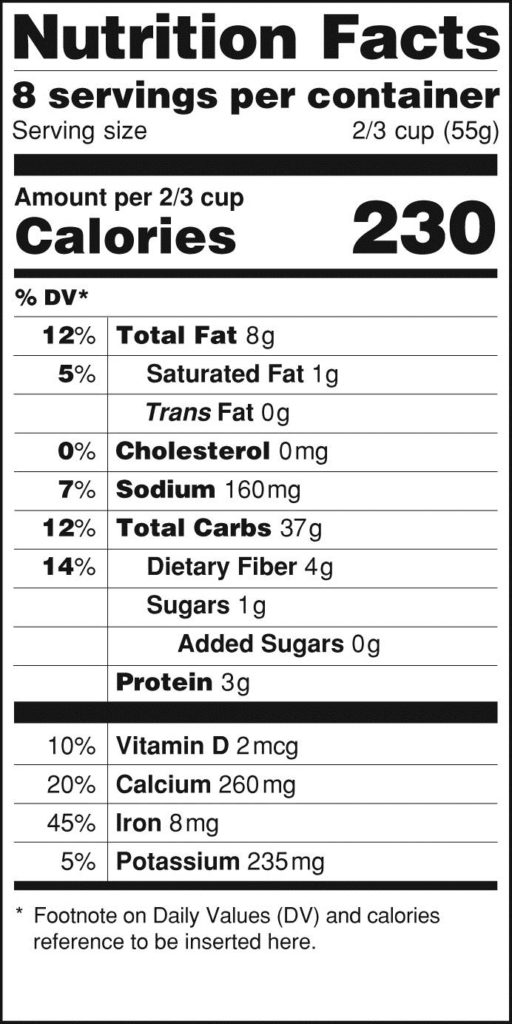
– Foods that provide at least 20% of the daily value of Iron for a 2,000 calorie diet are considered to be an “excellent source” of the important mineral
– A “good source” of iron has 10-19% of the daily value
– Find out how much iron a product has by looking towards the bottom of the nutrition facts label.
-Jacob Elfmann, SDSU Dietetic Intern