
September is National Cholesterol Education Month and a good time to have your cholesterol checked. Whether you have high cholesterol of not, it is important to know what your cholesterol levels are and what you can do to help control them so you can reduce your risk of heart attack or stroke.
Q. What is cholesterol?
It is a waxy, fat-like substance that is produced by the liver and found in all cells of the body. The body requires cholesterol in order to work properly. Cholesterol is part of a healthy body but too much of it in your blood can be a problem. High blood cholesterol is a risk factor for heart disease and stroke, the, 1st and 3rd leading causes of death in the nation and 1st and 5th leading causes of death in South Dakota.
Q. Where else besides the body is cholesterol found?
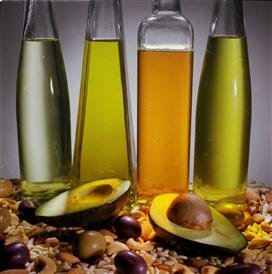
It is found in some of the foods you eat. A heart healthy diet is recommended for reducing your risk of heart disease. This includes choosing healthy fats (olive and canola oil, soft tub margarines) over foods high in saturated and trans fats and cholesterol, lean meats, whole grains, low fat dairy products, and getting at least 5 servings of fruits and vegetables a day. It is also important to engage in regular activity (at least 30 minutes) daily.
Q. What is involved in a screening test for cholesterol?
A lipid panel or profile (blood test) is a series of tests done to measure the different forms of cholesterol and triglycerides (another form of fat) found in the blood. There are four major fat components that will be listed on your lipid panel:
Total Cholesterol – the total number of all of the fats you have in your blood.
LDL (Low Density Lipoprotein) – known as “bad cholesterol”.
HDL (High Density Lipoprotein) – known as “good cholesterol”.
Triglycerides – the most common form of fat found in the body. High triglyceride levels are associated with a higher risk of heart disease and stroke.
Q. What are the desirable or optimal cholesterol and triglyceride levels for people with or without existing heart disease?
Total cholesterol: Less than 200*
LDL (Low Density Lipoprotein): Bad cholesterol: Less than 100*
HDL (High Density Lipoprotein): Good cholesterol: 60 or higher is considered the best*
Triglycerides: Less than 150*
* (Reference – Centers for Disease Control and Prevention)
Your healthcare provider will interpret these numbers and tell you when and how often to have your cholesterol levels rechecked. Ask your provider for advice on how to reduce your risk.
Q. What are some common risk factors for developing heart disease?
High LDL (bad cholesterol)
Low HDL (good cholesterol)
High blood pressure (treated or untreated)
Physical inactivity
Obesity and overweight
Tobacco smoke
Diabetes
Age – increased age over 45 increases your risk for heart disease
Heredity – family history of heart disease.
Q. What should I do if I want to have my cholesterol levels checked?
Contact your Brown Clinic provider to schedule this laboratory test.
Q. Where can I find additional information about cholesterol and heart disease?
South Dakota Heart Disease and Stroke Prevention Program – http://doh.sd.gov/HDS/
American Heart Association – www.american heart.org
Center for Disease Control and Prevention – www.cdc.gov
National Heart, Lung and Blood Institute – www.nhlbi.nih.gov
Stay tuned to tomorrow’s post regarding the nutrition recommendations for cholesterol improvements!
-Kelsey